caditonuno
Membro histórico
que coisa feia! se de frente quiseram que se parecesse com os minis dos anos 60, de traseira aquilo parece um borrão com uns faróis horríveis... [:vm)] [8b]

Acompanhe o vídeo abaixo para ver como instalar o nosso website como uma aplicação web no seu ecrã inicial.
Nota: Esta funcionalidade pode não estar disponível em alguns navegadores.

Este mini é o quê exactamente? Acho que já começam a inventar demais.

Este mini é o quê exactamente? Acho que já começam a inventar demais.

What is it?
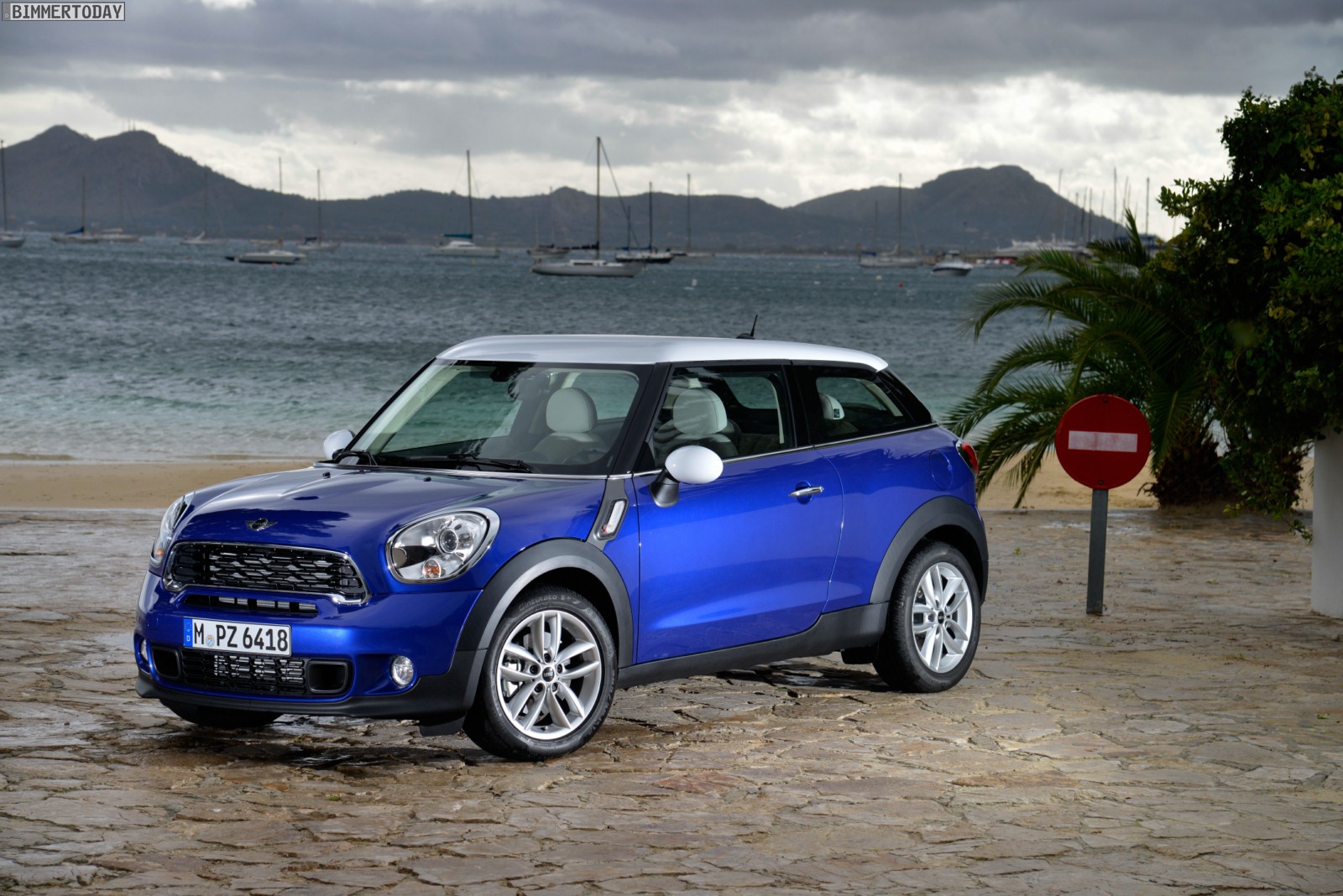
The production version of the Mini Paceman - the three-door offspring of the Countryman we’ve only previously driven in development form. Dubbed, optimistically, a Sports Activity Coupé, BMW insists this is the car to bridge the gap between its family-focused crossover and the now ageing hatchback.
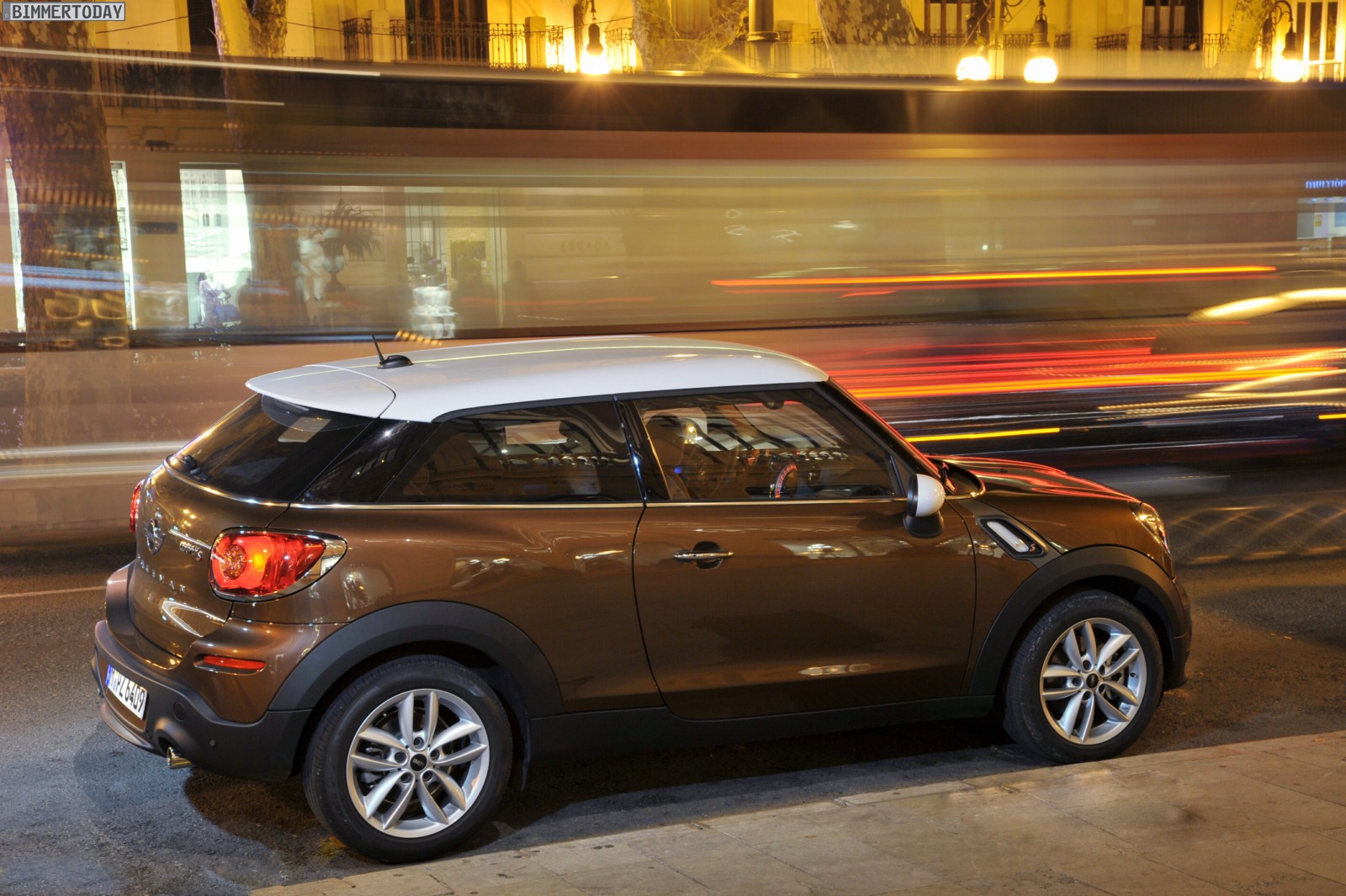
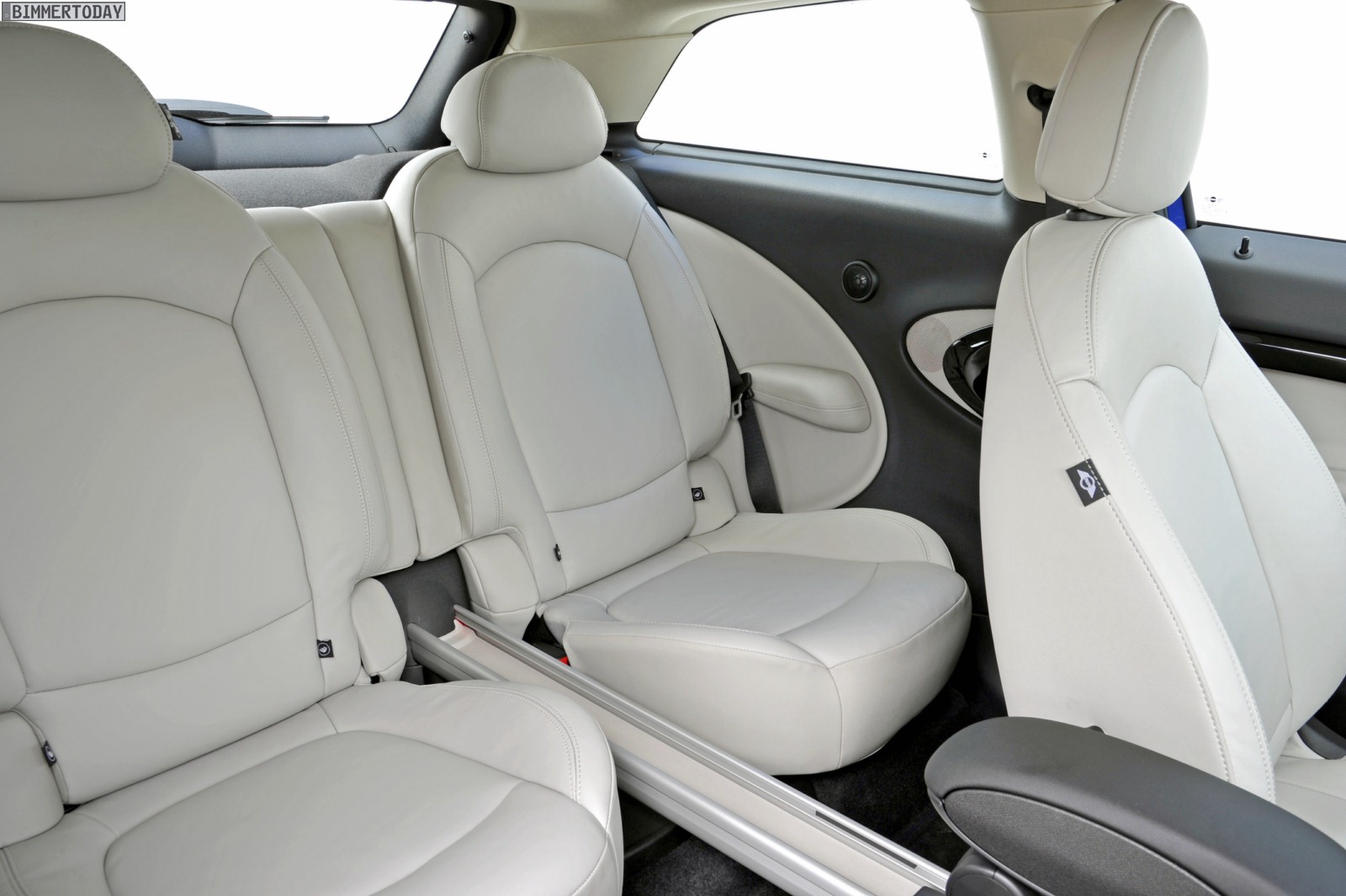
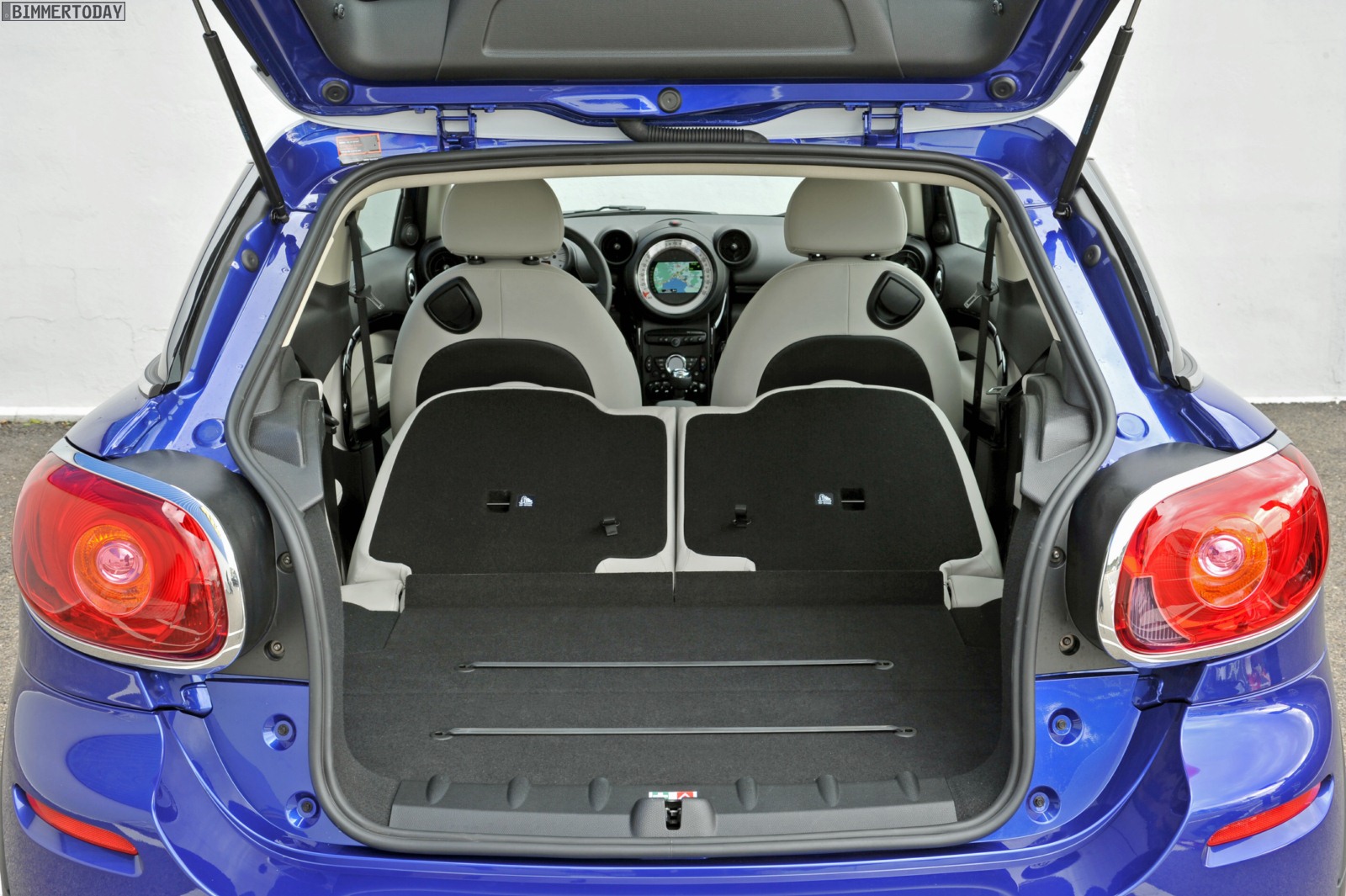
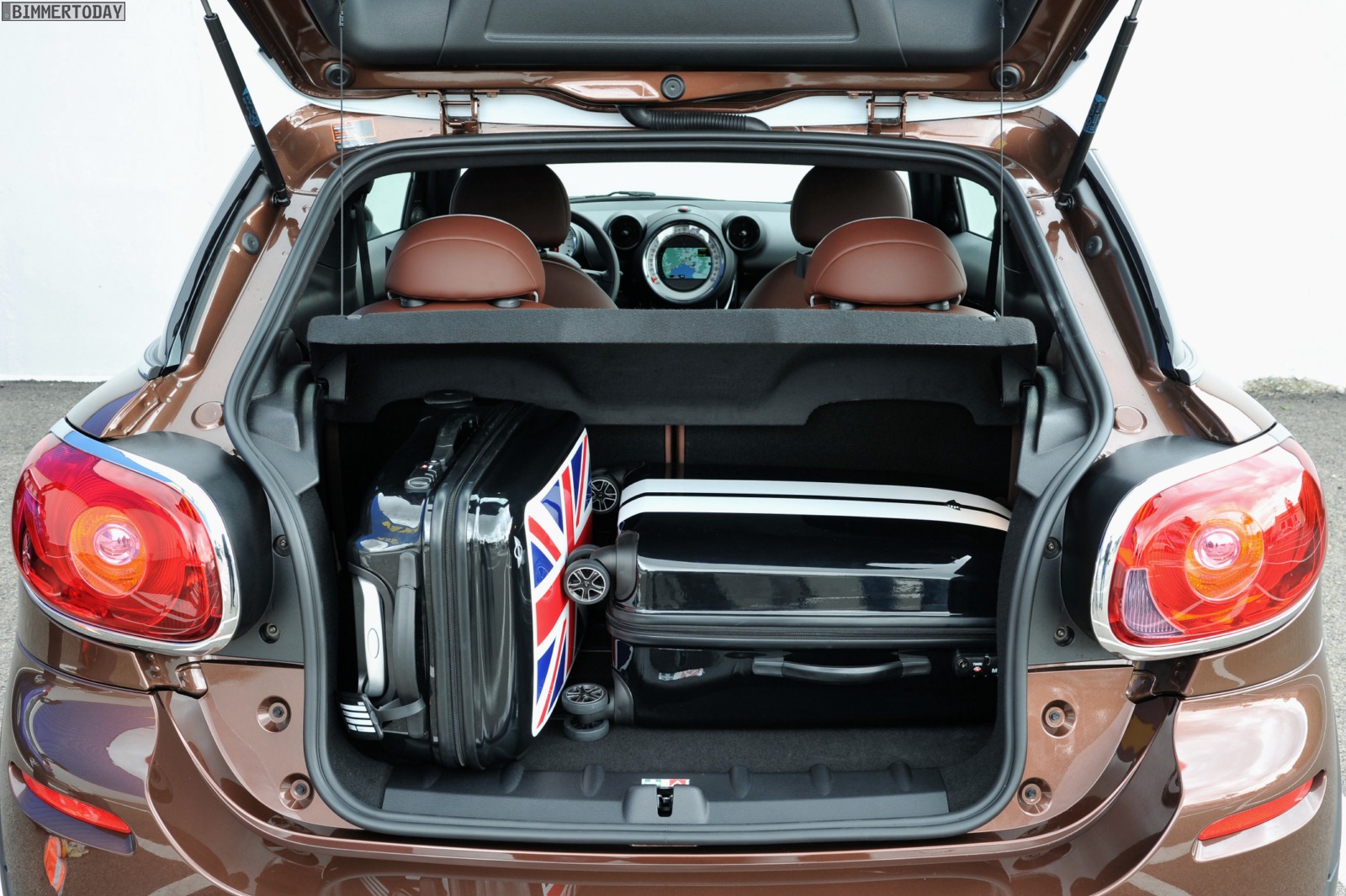
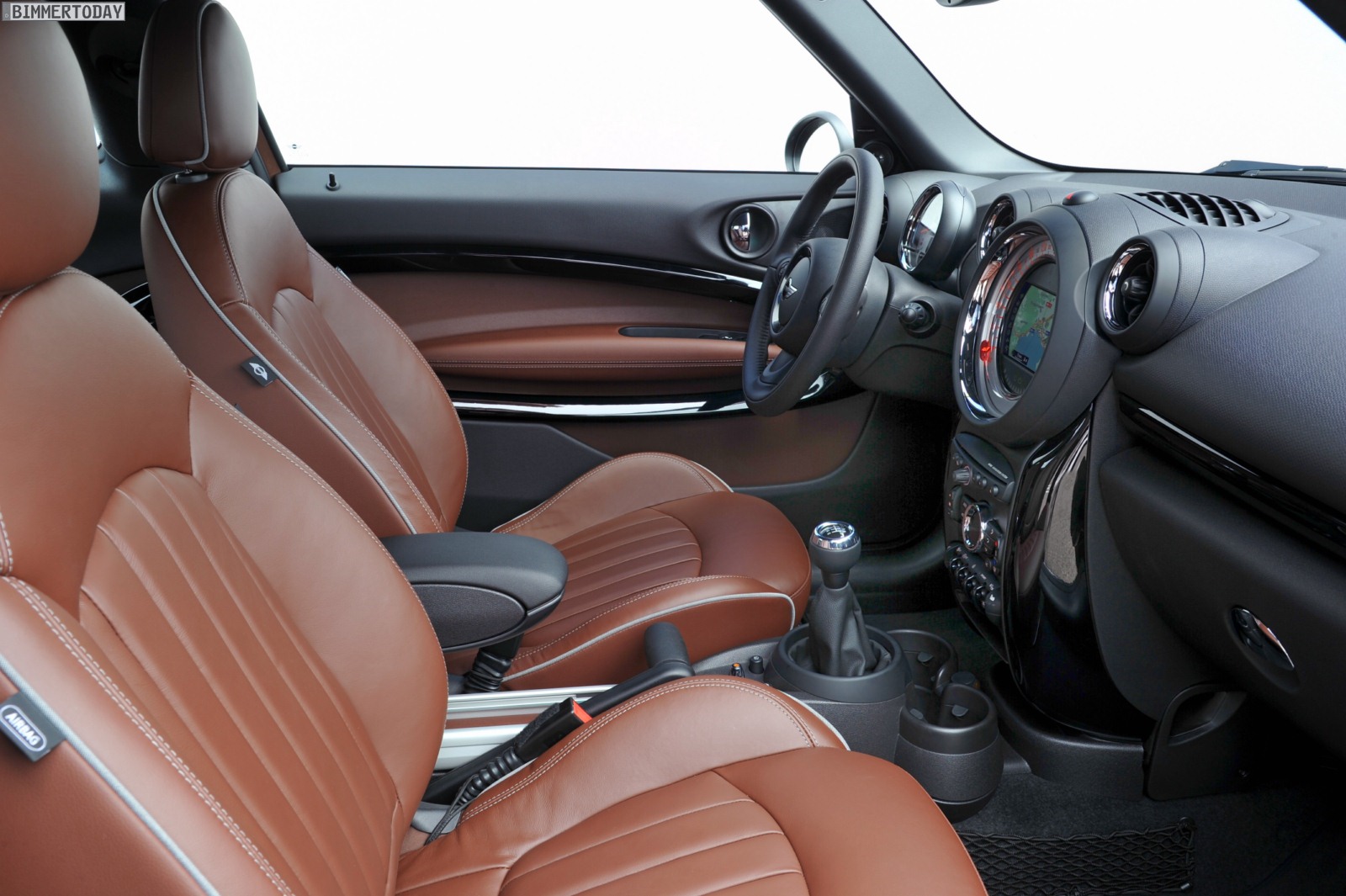
A new design has been penned around the deletion of the Countryman’s rear doors, which necessitates a retooled rear end, including a lowered roof line and altered tailgate. The subtraction continues inside where the standard rear bench has been replaced by Mini’s individual rear seats (formerly an option on the five-door).
Despite sharing all of its running gear with the Countryman, the Paceman’s racier brief means it gets Mini’s sports suspension, dropping the car a further 10mm closer to terra firma. The engines and transmissions are all direct carryovers: the familiar 1.6-litre petrol unit comes in both 121bhp Cooper guise and 181bhp Cooper S format (driven here).
First drive review: Mini John Cooper Works GP
Similarly, the diesel options are split between the 110bhp 1.6-litre Cooper D and the 141bhp 2.0-litre Cooper SD. Every powerplant (with the exception of the entry-level Cooper) can be mated to Mini’s ALL4 four-wheel-drive system for a premium, although front-wheel-drive variants will form the bulk of sales.
What is it like?
Muddled, as perhaps, it was always destined to be. Welding shut the rear doors is the oldest trick in the manufacturing playbook, but rendering a sportier vibe from a lumpy crossover is considerably more difficult than doing so from a saloon or hatchback. It is this first hurdle which the Paceman doesn’t so much fall at, but ruinously head butt.
Raking the roof line and retooling the tailgate of the Countryman make theoretical sense, but the real-life result is as genetically confused as a germinating tumor. There’s none of the elegant collusion that makes three-door SUV’s such as the Evoque look desirable; instead BMW has seemingly resorted to pulling the high-rise skin taut over an already misconstrued skeleton.
Conventionally, such a subjective appraisal would be beneath us, but so shallow is the Paceman’s appeal that without a stylistic trump card to play, its rationale flounders. It’s obviously less practical to get in and out of than the Countryman, there’s less rear headroom thanks to the new roofline, fewer seats to fill (which don’t even begin to fold flat) and it all comes with a higher price tag.
It’s regrettable, because dynamically, the Paceman - admittedly driven in Mallorca - comes across as a slim improvement on its SUV sibling - and probably not in the way you might expect. Despite unnecessarily bearing a firmer suspension, the car (somewhat inexplicably) accommodates battered roads slightly better than the notoriously wayward Countryman; there’s far less jarring, even with the springs pre-loaded under cornering.
This makes the Mini SUV far less wearing to drive, and its marginally tighter body control allows familiar liberties to be taken with the still very quick steering rack. Teamed in this instance with the more powerful petrol engine, this makes slice-and-dice suburban driving an appropriate cinch and (despite a whining, insistence sonic presence in sixth on a motorway) an acceptable companion beyond.
Should I buy one?
The only reason to seriously consider it is if you ‘get’ the stylistic revision in a way we don’t.
Despite a slightly more agreeable behind-the-wheel experience (yet to be played out or confirmed on British roads) the Paceman still feels like a car where you’re being asked to pay considerably more for less.
If you’re insistent on owning a four-metre-long Mini SUV, we’d recommend you continue to opt for the one with five-doors and a whole heft more sense.
Mini Cooper S Paceman
Price £22,355; 0-62mph 7.5sec; Top speed 134mph; Economy 46mpg; CO2 143g/km; Kerb weight 1380kg; Engine four-cylinder, 1598cc, turbocharged, petrol; Power 181bhp at 5500rpm; Torque 192lb ft at 1700-4500rpm; Gearbox 6-spd manual
What is it?
The Mini Paceman, the seventh model to join the range BMW began in 2001. Essentially a two-door version of the Countryman mini-SUV, it curiously costs nearly £1000 more, prices starting at £18,970.
Technical highlights?
The Paceman rides 10mm lower than the Countryman and gets marginally firmer Sports suspension, though this can be replaced with a standard setup as a no-cost option.
You can pick between front- and all-wheel drive (dubbed ‘ALL4’), the latter effectively an electronic differential that sends 50 per cent of the engine’s power to the rear wheels in low grip situations, and up to 100 per cent should it sense ‘excessively sporty driving’. ALL4 versions command around £1200 more than front-drivers.
What’s it like to drive?
Like a slightly wieldier Countryman. Which is, on the most part, a compliment. It steers with the same keenness as a regular Mini and, in the Cooper S petrol version we tried, has the same turbocharged pace and willingness to rev. The downside, thanks to its more slab-sided SUV form, is the inevitably greater feeling of weight transfer when you up the ante. Cornering isn’t as natural as in a Mini hatchback or coupe, but it’s certainly one of the more agile small SUVs you can buy.
Our test car was front-driven, and didn’t corner quite as gamely as ALL4 Countrymans we’ve driven, where you can feel the rear wheels contributing during especially committed driving.
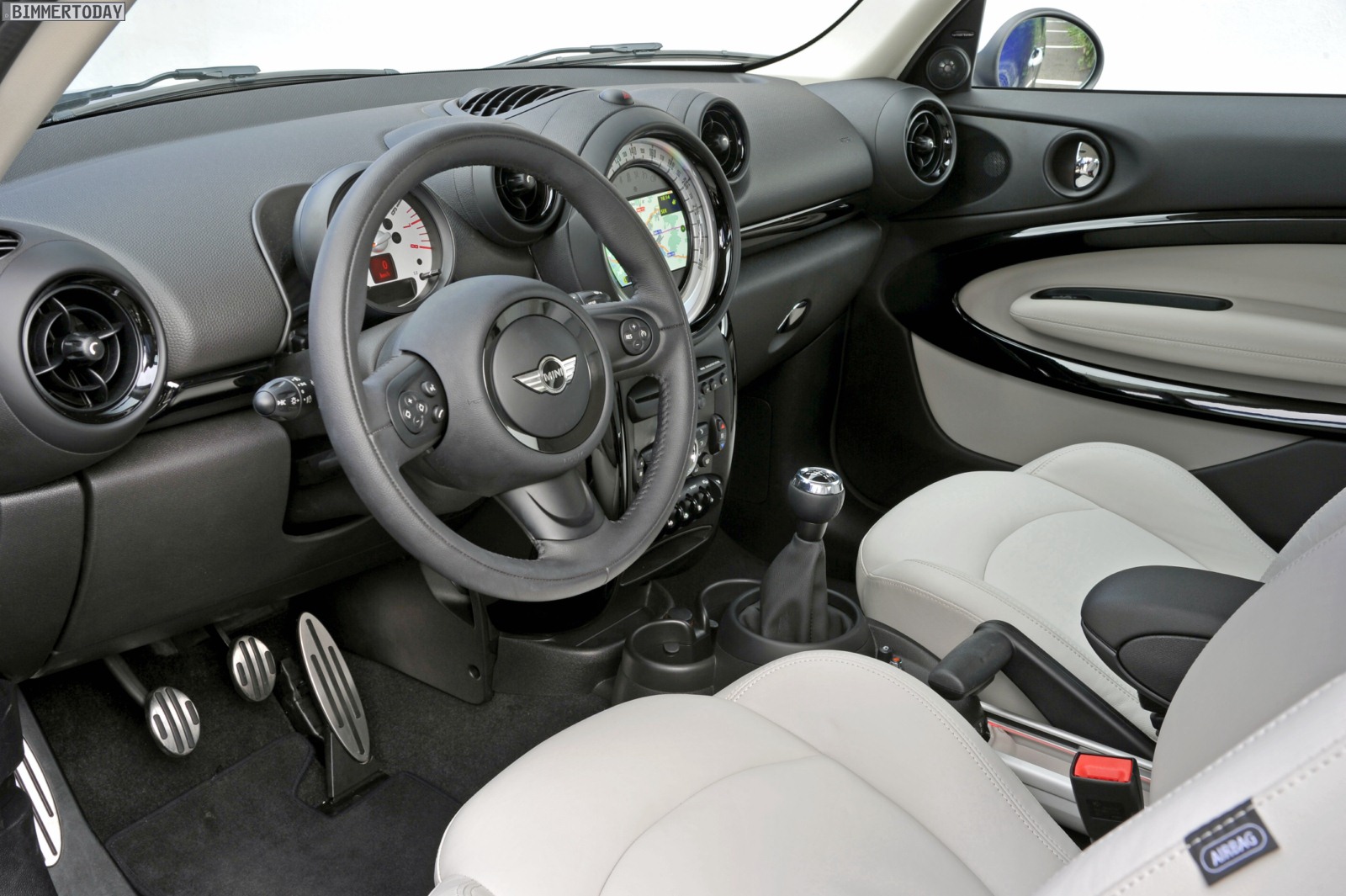
The steering is still too lacking in feel, but prod the Sport button for a sharper throttle response and the wheel’s accompanying extra weight isn’t unwelcome like in other Minis; it firms up more naturally and the only downside of Sport mode is an artificial collection of pops and bangs not just when you back sharply off the throttle, but when you lightly lift when changing gear. Fun for five minutes, but the novelty wears off.
The ride quality and body control feel better than in the Countryman, though there is still room for improvement. Our Mallorca test route was nowhere near as knobbly as most UK backroads, yet the Paceman could be unsettled over its less cared-for stretches.
How does it compare?
To what? The Paceman is a very hard car to find direct rivals for; closest in principle is a three-door Range Rover Evoque, which starts at £29,695 for a front-drive 148bhp diesel. The 141bhp Paceman Cooper SD kicks off at a much more attainable £23,070.
Anything else I need to know?
The range consists of Cooper and Cooper S petrols and Cooper D and Cooper SD diesels, power ranging from 110 to 181bhp, with manual and automatic transmission options. A John Cooper Works version is in development, and it will get the same 215bhp/all-wheel-drive setup as its Countryman cousin. Oh, and you can only have a pair of individual seats in the back – there’s no three-seat bench option.


O gosto e as noções de tamanho dos americanos davam vários estudos sociológicos...[Interessante as opiniões que se vai lendo nos media, que revela tanto sobre os mercados em que operam:
na Europa - "qual é mesmo o propósito disto?"
nos EUA - "o tamanho certo para o Mini?"
[]
 ]