
Instale a aplicação
Como instalar a aplicação no iOS
Acompanhe o vídeo abaixo para ver como instalar o nosso website como uma aplicação web no seu ecrã inicial.
Nota: Esta funcionalidade pode não estar disponível em alguns navegadores.
Está a usar um navegador desatualizado. Pode não apresentar este ou outros sites corretamente.
Deve atualizar ou utilizar um browser alternativo.
Deve atualizar ou utilizar um browser alternativo.
Topico dos Crash-Tests ⚠️Euroncap- 10/10/2026
- Iniciador de tópicos GTTDI
- Data de início


Fabulous
Banido

E não é que a Citan e a T tiveram 5 estrelas? Great job Mercedes/Renault!
Curioso que a irmã Kangoo teve 4 estrelas em linha com as concorrentes do mesmo preço da Opel/Citroen/Ford/etc..
Se calhar a diferença de preço da Citan vale a pena.
Curioso que a irmã Kangoo teve 4 estrelas em linha com as concorrentes do mesmo preço da Opel/Citroen/Ford/etc..
Se calhar a diferença de preço da Citan vale a pena.
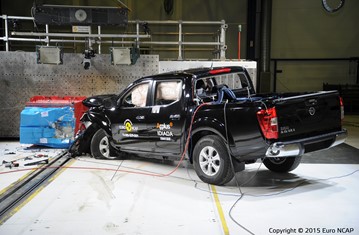
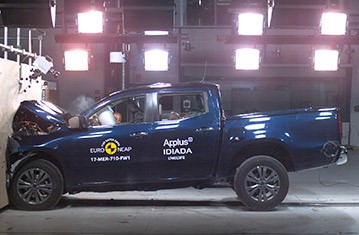
Por exemplo a Nissan Navara obteve apenas 4 estrelas, enquanto a irmã premium MB Classe X obteve 5 estrelas
https://www.euroncap.com/en/results/nissan/navara/22037
Mercedes Classe X
https://www.euroncap.com/en/results/mercedes-benz/x-class/28954


Eagle88
Well-known member
Curioso que a irmã Kangoo teve 4 estrelas em linha com as concorrentes do mesmo preço da Opel/Citroen/Ford/etc..
Se calhar a diferença de preço da Citan vale a pena.
Parece-me que a Citan tem mais equipamento.


JRodrigues
Well-known member
Esta moda dos SUV's também já faz mossa nos testes:
E a Subaru continua a manter os seus excelentes resultados.
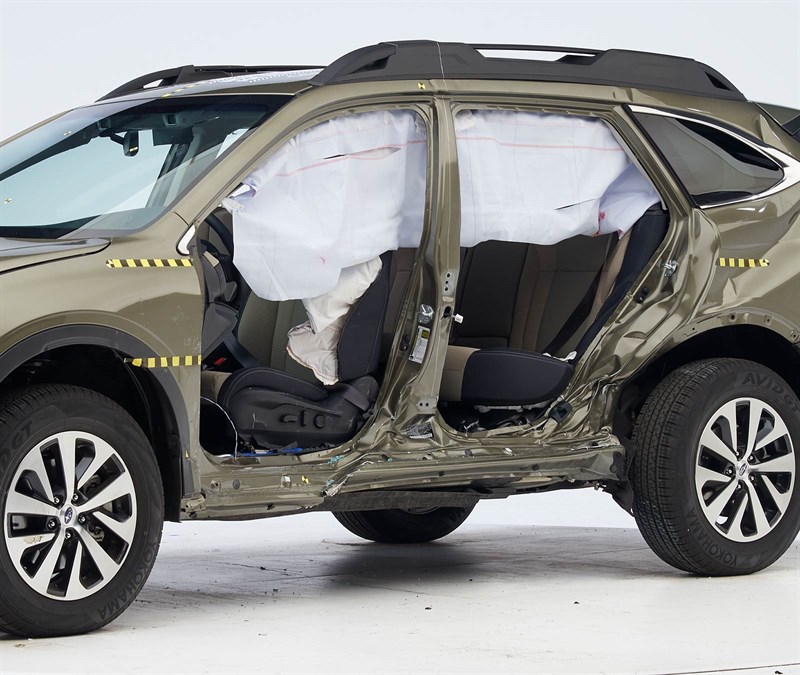
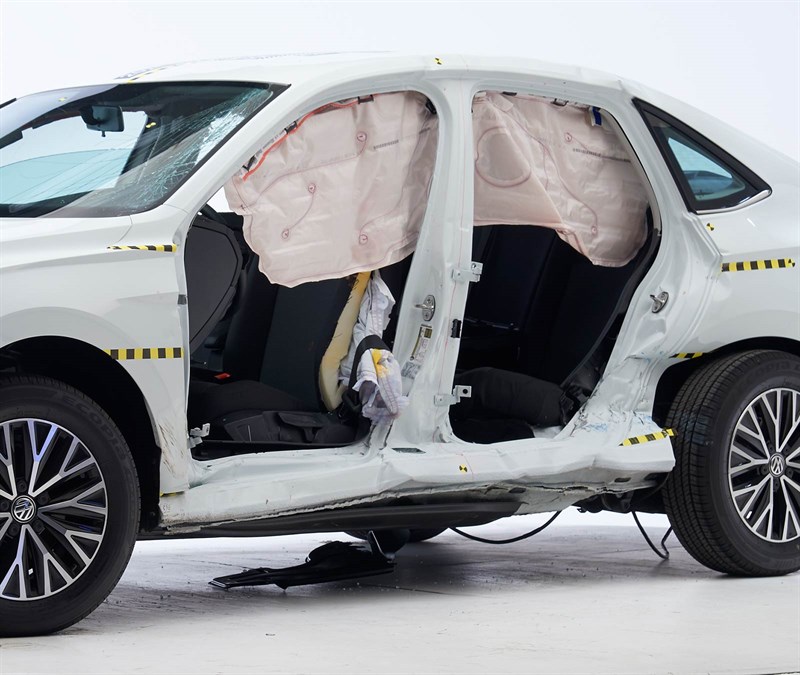
Most Midsize Cars Fail New IIHS Side-Impact Crash Rating
The Subaru Outback was the only vehicle out of seven tested to get a good rating.
There aren't many new midsize cars on the market today, but updated crash-test standards from the Insurance Institute for Highway Safety (IIHS) suggest most don't fare well in a real-world side-impact collision. In this instance, real world represents vehicles that are quite common on roads these days – crossovers and SUVs.
The new side-impact test uses a heavier impact barrier weighing 4,200 pounds, compared to 3,300 pounds for the previous test. The barrier speed is also up to 37 mph versus 31 mph, generating 82 percent more energy at impact than the prior method. The changes were made after data from actual collisions showed more severe damage than expected based on current testing criteria. IIHS says the updated test better simulates a side collision with a typical SUV.
As a result, only the Subaru Outback managed to score a good rating out of seven vehicles tested. The Hyundai Sonata and Volkswagen Jetta received acceptable ratings, with IIHS noting more intrusion into the passenger compartment compared to the Subie. All three cars were recognized for having good airbag protection.
The Honda Accord received a marginal rating, with moderate intrusion and elevated risk of pelvis and head injuries resulting from a crash. Three vehicles – the Toyota Camry, Nissan Altima, and Chevrolet Malibu – received poor ratings. IIHS says intrusion into the passenger compartment was substantial for the Altima and Malibu, with the Camry faring a bit better. But all three showed a moderate or high risk of head, neck, or torso injuries. In most cases, the impacts caused the heads of driver or passenger dummies to slip below the airbag, hitting the window sill directly.
IIHS notes that small and midsize SUVs subjected to the updated side-impact test performed better. Additionally, all the midsize cars tested here previously had good side-impact ratings under the old method.
https://www.motor1.com/news/602526/most-midsize-cars-fail-iihs-side-impact-rating/
E a Subaru continua a manter os seus excelentes resultados.

LinoMarques
Well-known member
Fantástico, esse vídeo antigo! apr
LinoMarques
Well-known member
Esta moda dos SUV's também já faz mossa nos testes:

https://www.ebay.de/itm/14463921222...iqxIKv5JQPnlvL7J+4P2hRJQMkb7|tkp:BFBM_MyGrs1g

https://www.ebay.de/itm/14430012781...Q%3D%3D|ampid:PL_CLK|clp:2047675&epid=2190386
Última edição:
Korea Ncap
2021 crash test results
http://www.kncap.org/indexNew.js
https://www.avaliacarros.com/2021/12/korean-ncap-crash-test-dezembro-2021/
Hyundai Ioniq 5 Endures Its First Crash Test for KNCAP: Check It Here
The Hyundai Ioniq 5 is being praised in all markets where it is already for sale. Apart from the lack of a rear window wiper, the car received excellent reviews and impressed those worried about charging times with its 800V system. For those wondering how safe the new electric crossover is, the KNCAP tests revealed that it attained 92.1 points out of the 100 possible ones. That places it as one of the safest vehicles for sale in South Korea.
 6 photos
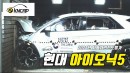

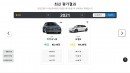
It seems that KNCAP only tested two vehicles so far in 2021, the Ioniq 5 and the Model 3. Despite Tesla’s claim that its EV is one of the safest cars in the world, it did not fare as well as the Hyundai. As the main image in this article shows, it got only 83.3 of the 100 points KNCAP gives. In 2020, the best vehicle tested was the Genesis G80, with 97.3 out of 100.
KNCAP distributes the 100 points this way: 60 points for crash tests, 20 points for pedestrian protection, and 20 points to crash avoidance systems. The Hyundai Ioniq 5 did really well in the most critical evaluation: it scored 59.29 points out of the 60, or 98.8% of what it could achieve.
The second best category for the electric crossover was crash avoidance: out of the maximum 20 points the Ioniq 5 could get, it obtained 19.17 points – 95.9% of the total. With such great numbers, you guessed right if you thought that pedestrian protection was what brought the Ioniq 5 down.
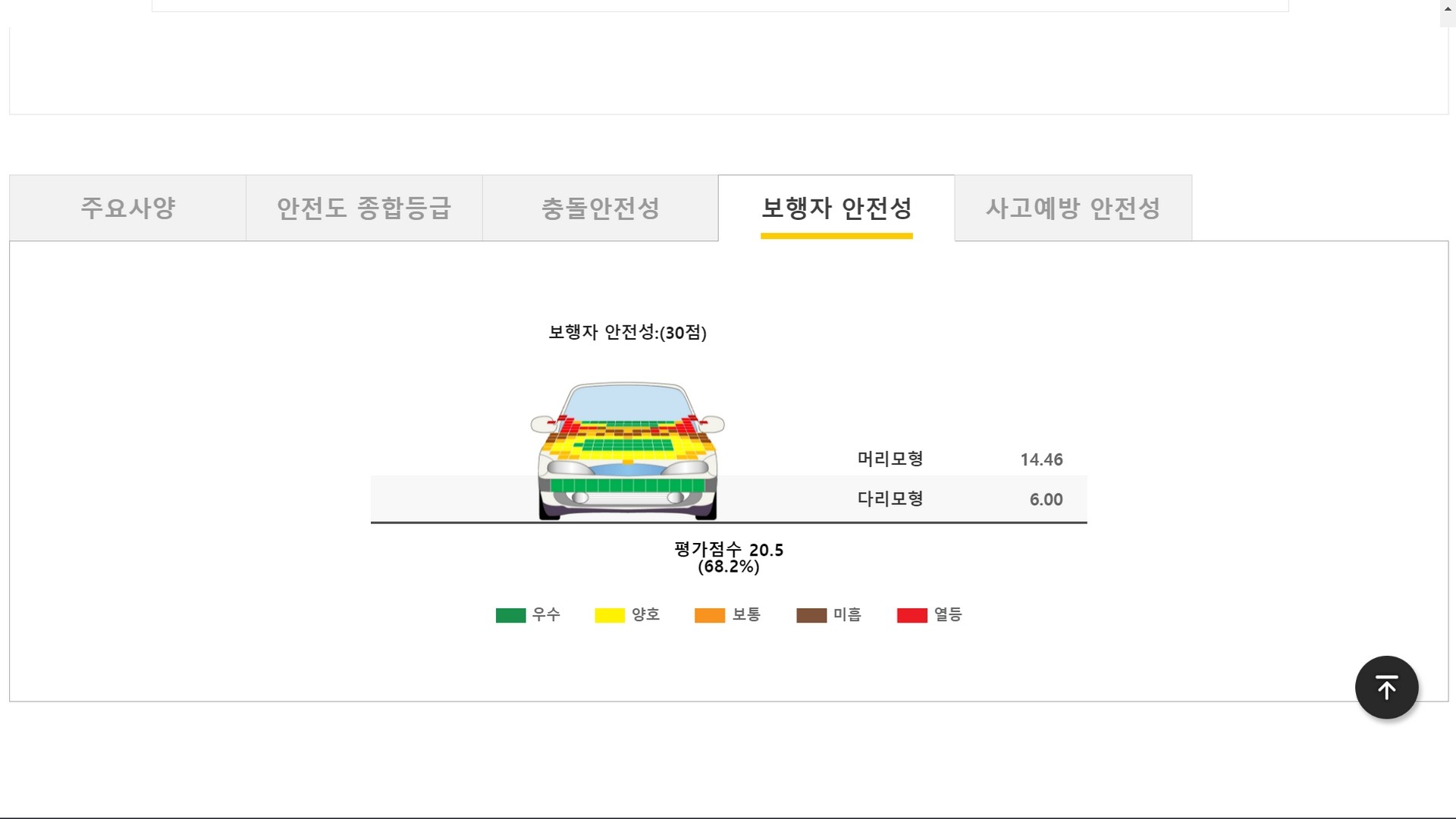
The Hyundai got only 13.64 points from 20, or 68.2%. That is still much better than what the Tesla Model 3 achieved. Although the American electric vehicle got 99.6% of the points related to crash tests (59.77 points), it did much worse in crash avoidance (59.5%, with 11.89 points) and pedestrian protection (58.4%, with 11.68 points).

2021 crash test results
http://www.kncap.org/indexNew.js
https://www.avaliacarros.com/2021/12/korean-ncap-crash-test-dezembro-2021/
Hyundai Ioniq 5 Endures Its First Crash Test for KNCAP: Check It Here
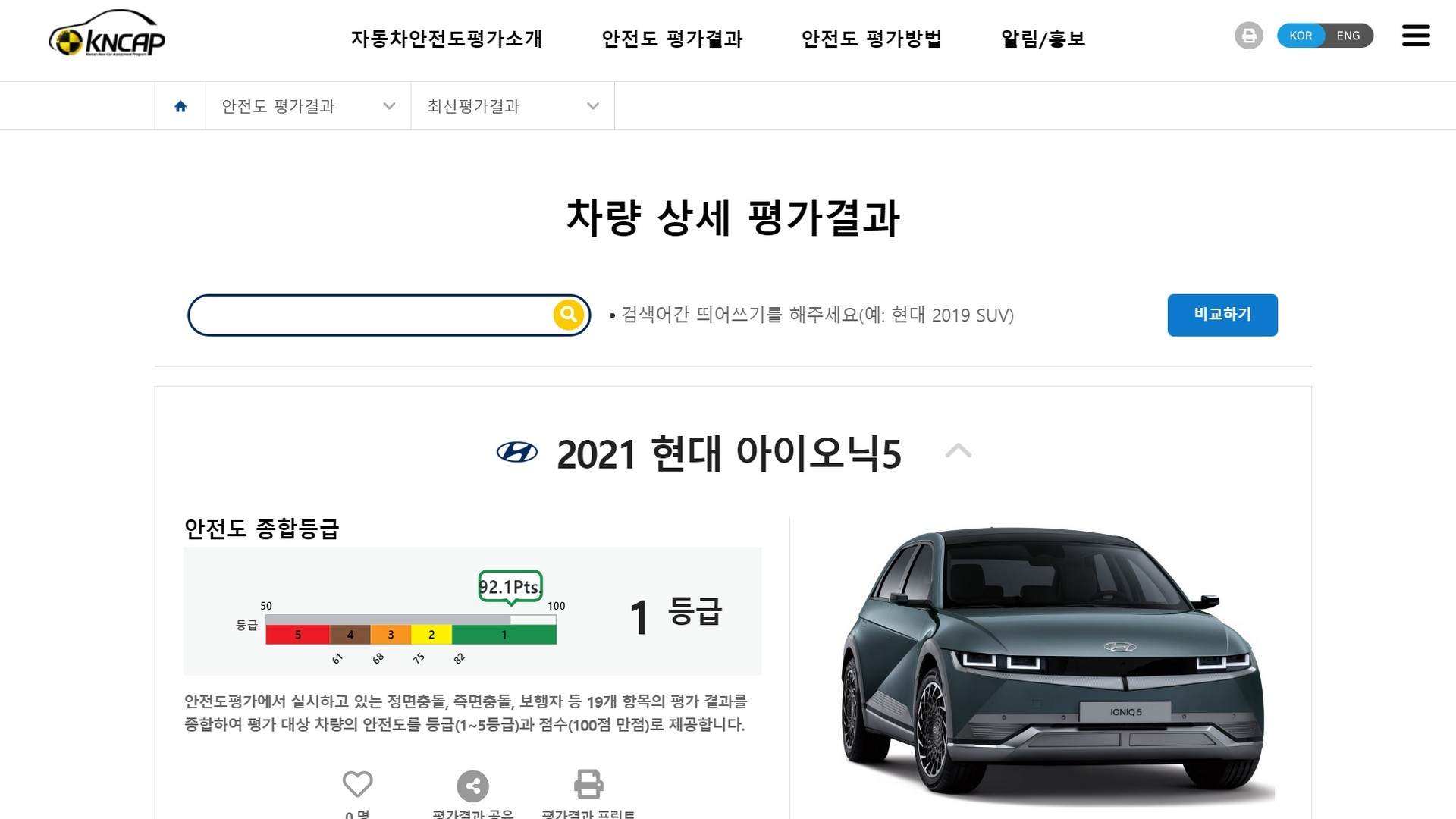
The Hyundai Ioniq 5 is being praised in all markets where it is already for sale. Apart from the lack of a rear window wiper, the car received excellent reviews and impressed those worried about charging times with its 800V system. For those wondering how safe the new electric crossover is, the KNCAP tests revealed that it attained 92.1 points out of the 100 possible ones. That places it as one of the safest vehicles for sale in South Korea.
 6 photos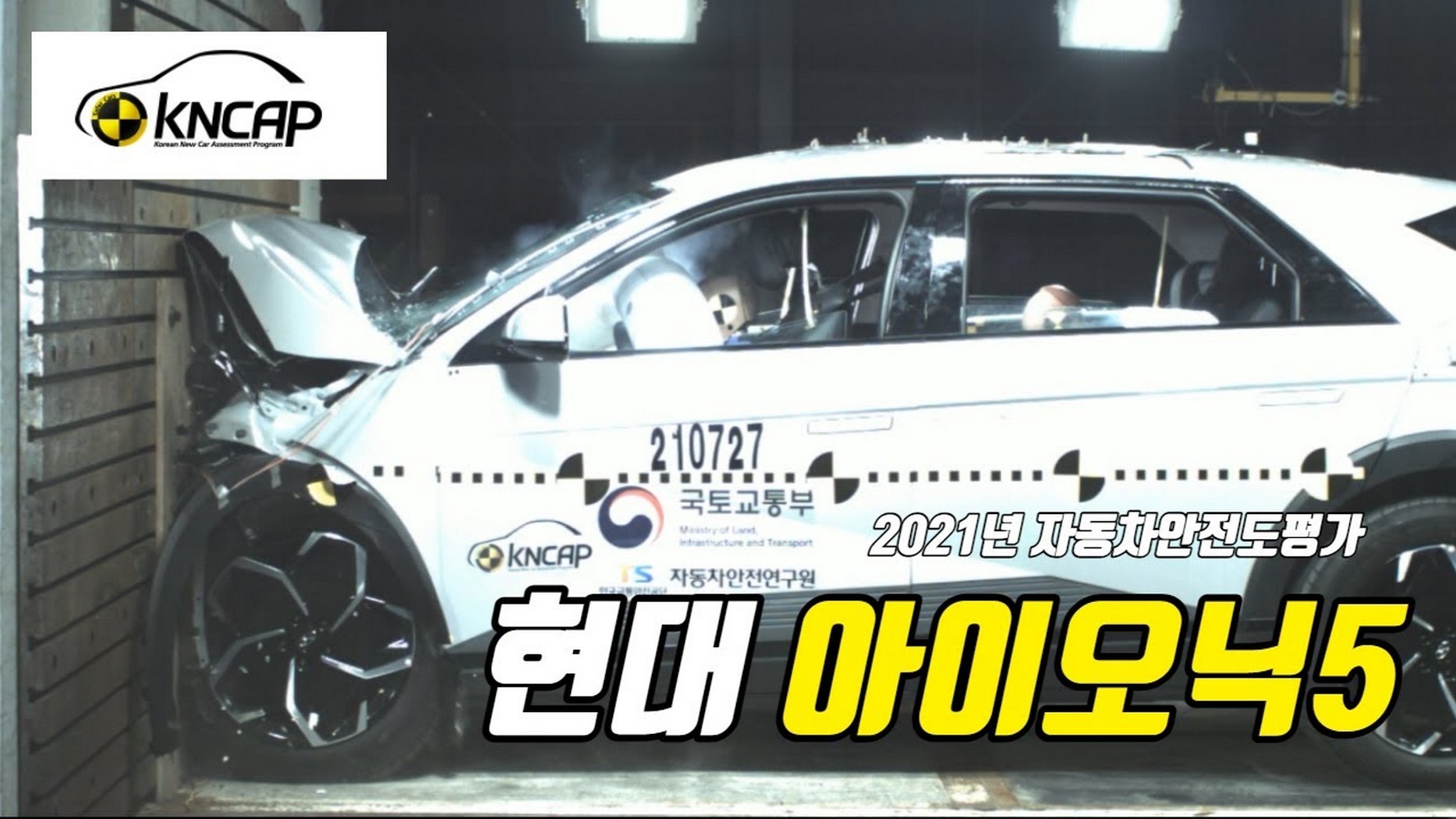
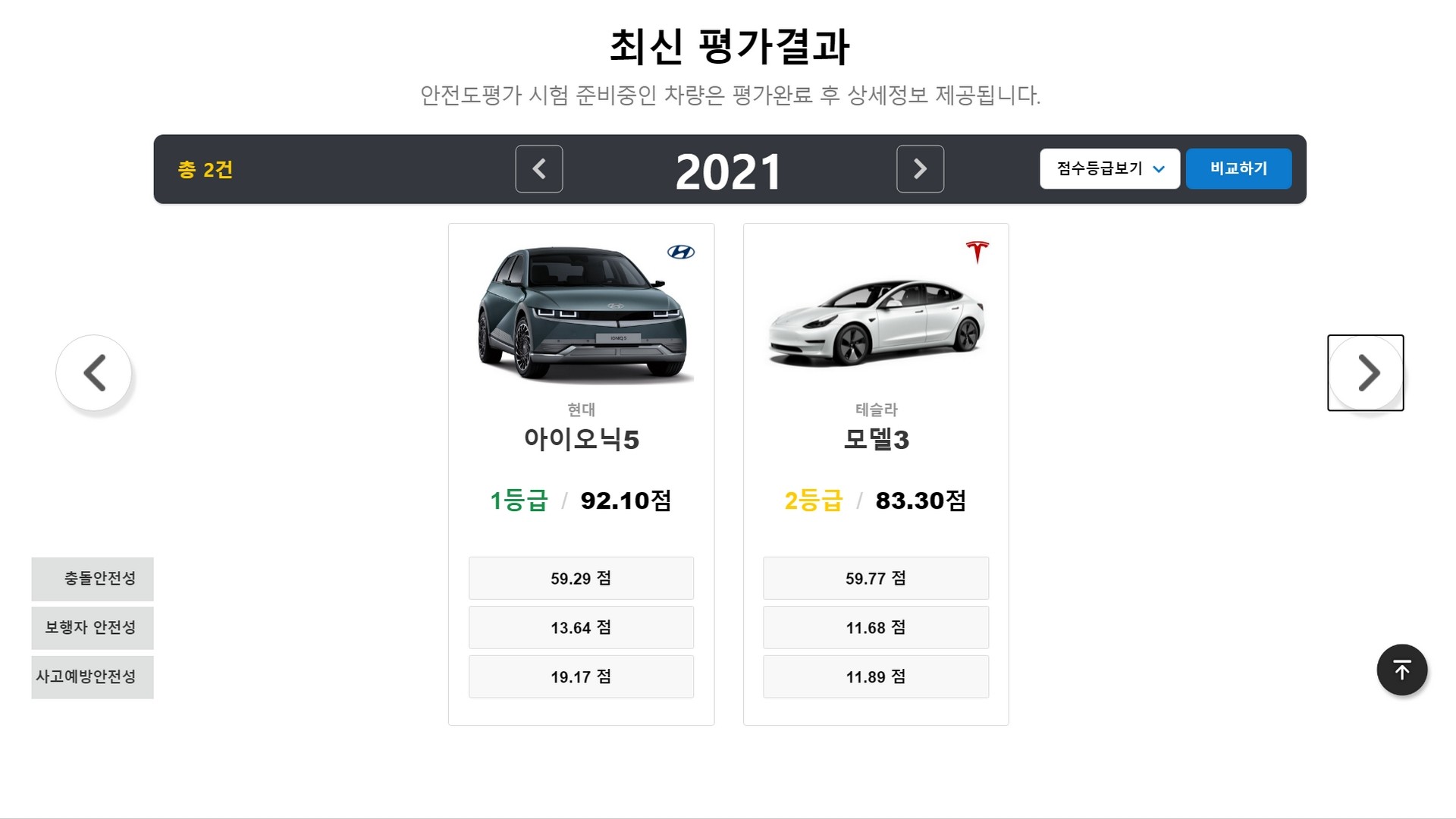
It seems that KNCAP only tested two vehicles so far in 2021, the Ioniq 5 and the Model 3. Despite Tesla’s claim that its EV is one of the safest cars in the world, it did not fare as well as the Hyundai. As the main image in this article shows, it got only 83.3 of the 100 points KNCAP gives. In 2020, the best vehicle tested was the Genesis G80, with 97.3 out of 100.
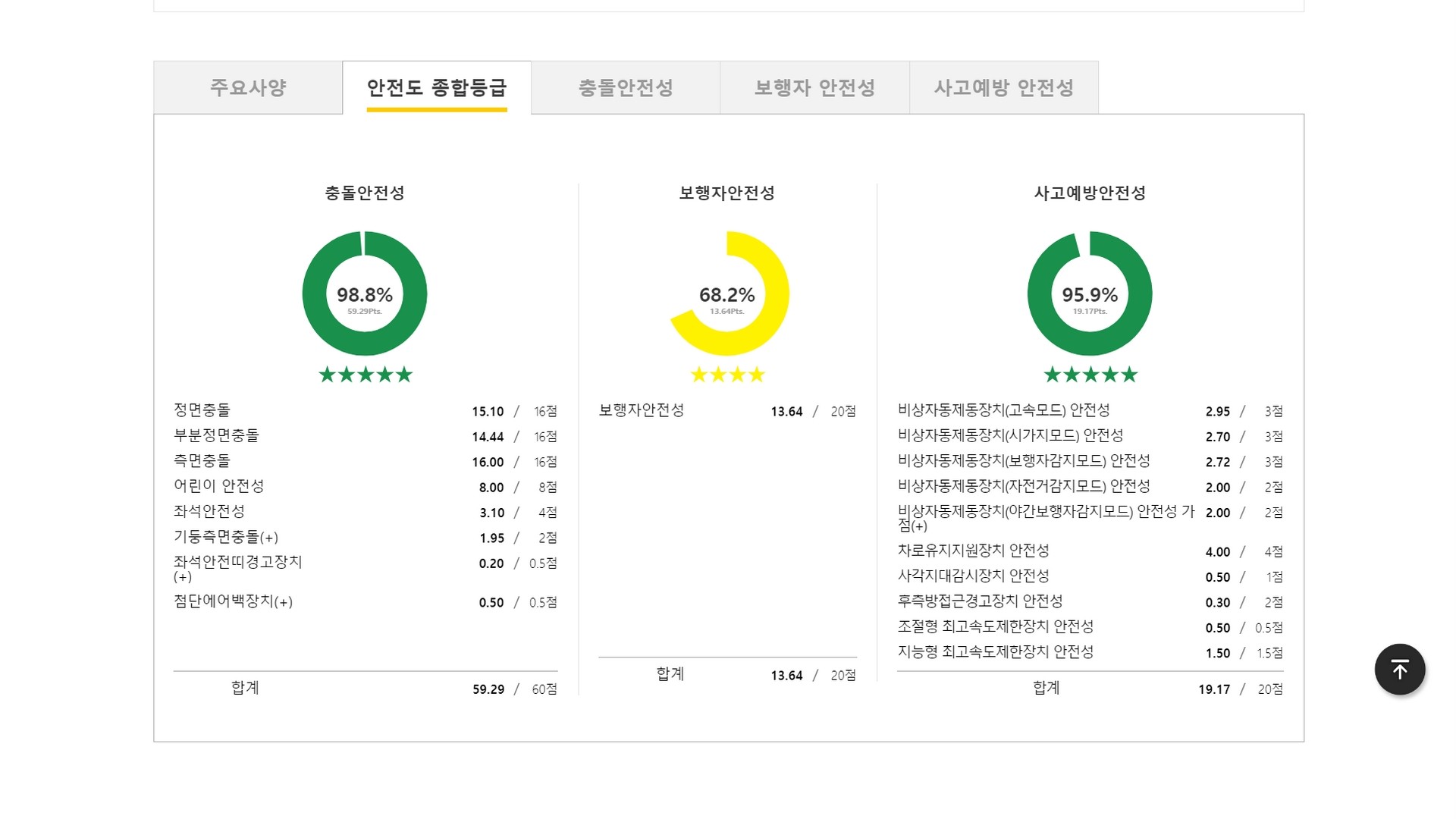
KNCAP distributes the 100 points this way: 60 points for crash tests, 20 points for pedestrian protection, and 20 points to crash avoidance systems. The Hyundai Ioniq 5 did really well in the most critical evaluation: it scored 59.29 points out of the 60, or 98.8% of what it could achieve.
The second best category for the electric crossover was crash avoidance: out of the maximum 20 points the Ioniq 5 could get, it obtained 19.17 points – 95.9% of the total. With such great numbers, you guessed right if you thought that pedestrian protection was what brought the Ioniq 5 down.
The Hyundai got only 13.64 points from 20, or 68.2%. That is still much better than what the Tesla Model 3 achieved. Although the American electric vehicle got 99.6% of the points related to crash tests (59.77 points), it did much worse in crash avoidance (59.5%, with 11.89 points) and pedestrian protection (58.4%, with 11.68 points).
Última edição:
O carro elétrico mais vendido da China, e do mundo, se considerarmos os últimos meses, o Wuling Hong Guang Mini EV produzido pela joint venture GM-Wulling foi colocado à prova em um teste de colisão contra outro veículo do mesmo porte.
O carro elétrico urbano pensado para o mercado chinês emplacou nada menos que 40.000 unidades em novembro, enquanto se prepara para superar os 500.000 carros vendidos em apenas 18 meses de comercialização, um recorde.
O sucesso vem também do preço atrativo (estamos falando de um preço de tabela que começa em 28.800 yuan, equivalente a cerca de R$ 25.000). Mas não apenas isso, porque este subcompacto de emissão zero conquistou seu espaço na sombra da Grande Muralha como um carro urbano, prático e eficiente.
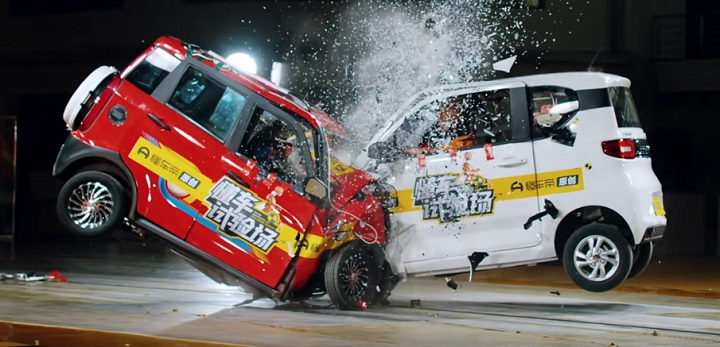
É normal, portanto, se perguntar se um carro tão bem sucedido também é seguro. Na China, ele foi avaliado em uma série de testes de colisão. Em um deles ele colidiu com outro carro elétrico compacto de concepção diferente: ele tem baterias de chumbo-ácido e um estilo 'inspirado' no Mercedes Classe G.
Os dois carros simularam uma colisão frontal com um desvio de 50% aos 64 km/h que viu o Wuling (560 kg de peso) resistir muito melhor que o outro veículo (568 kg de peso), que por sua vez ficou completamente destruído com consequências muito graves para os ocupantes.
Na imagem abaixo você pode conferir as pontuações exatas para o MINI EV. Na coluna da esquerda estão as pontuações para o motorista, e na coluna da direita estão as pontuações para o passageiro traseiro.
 O que aconteceria com um carro maior?
O mérito do bom resultado alcançado pelo Wuling Hong Guan Mini EV reside no fato de que, embora pequeno, o carro construído pela joint venture entre SAIC-GM-Wuling estava equipado na dianteira com uma estrutura deformável capaz de absorver melhor os impactos.
Já o outro carro submetido ao teste sofreu muitos danos e como resultado da colisão as portas se abriram com dificuldade, mas no conjunto da obra, o habitáculo pareceu resistir muito bem e até mesmo a bateria de alta tensão permaneceu protegida e quase que completamente intacta.


 Claro, que mesmo olhando somente para o mercado chinês, o peso médio dos carros em circulação é em torno de 1.200-1.400 kg. Entende-se que em um acidente em condições semelhantes, mas com um carro com uma massa quase três vezes maior, o Wuling não sairia tão bem. Por enquanto, porém, não há avaliações analíticas nesse sentido.
O carro elétrico urbano pensado para o mercado chinês emplacou nada menos que 40.000 unidades em novembro, enquanto se prepara para superar os 500.000 carros vendidos em apenas 18 meses de comercialização, um recorde.
O sucesso vem também do preço atrativo (estamos falando de um preço de tabela que começa em 28.800 yuan, equivalente a cerca de R$ 25.000). Mas não apenas isso, porque este subcompacto de emissão zero conquistou seu espaço na sombra da Grande Muralha como um carro urbano, prático e eficiente.
É normal, portanto, se perguntar se um carro tão bem sucedido também é seguro. Na China, ele foi avaliado em uma série de testes de colisão. Em um deles ele colidiu com outro carro elétrico compacto de concepção diferente: ele tem baterias de chumbo-ácido e um estilo 'inspirado' no Mercedes Classe G.
Os dois carros simularam uma colisão frontal com um desvio de 50% aos 64 km/h que viu o Wuling (560 kg de peso) resistir muito melhor que o outro veículo (568 kg de peso), que por sua vez ficou completamente destruído com consequências muito graves para os ocupantes.
Na imagem abaixo você pode conferir as pontuações exatas para o MINI EV. Na coluna da esquerda estão as pontuações para o motorista, e na coluna da direita estão as pontuações para o passageiro traseiro.
O mérito do bom resultado alcançado pelo Wuling Hong Guan Mini EV reside no fato de que, embora pequeno, o carro construído pela joint venture entre SAIC-GM-Wuling estava equipado na dianteira com uma estrutura deformável capaz de absorver melhor os impactos.
Já o outro carro submetido ao teste sofreu muitos danos e como resultado da colisão as portas se abriram com dificuldade, mas no conjunto da obra, o habitáculo pareceu resistir muito bem e até mesmo a bateria de alta tensão permaneceu protegida e quase que completamente intacta.
Última edição:
LinoMarques
Well-known member
Incrível, a diferença entre 2 carros do mesmo segmento!! :sh):sh)
Uma marca que apresenta um produto destes devia ser CRIMINALIZADA! [8b]
Uma marca que apresenta um produto destes devia ser CRIMINALIZADA! [8b]


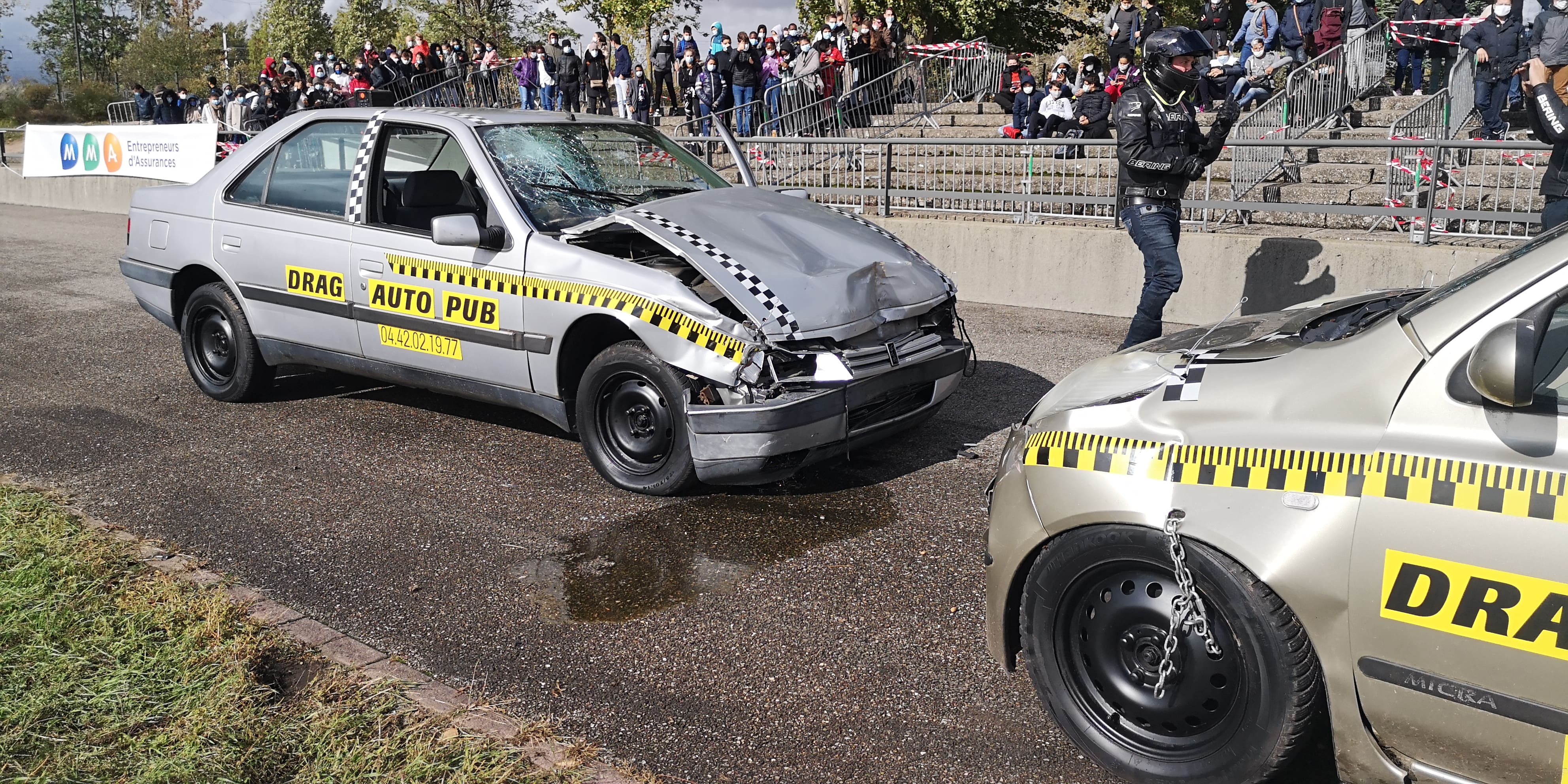
Crash test Peugeot 405 vs Nissan Micra K12 2002/2010
https://www.haut-rhin.gouv.fr/Actua...te-routiere-crash-test-pedagogique-a-Mulhouse
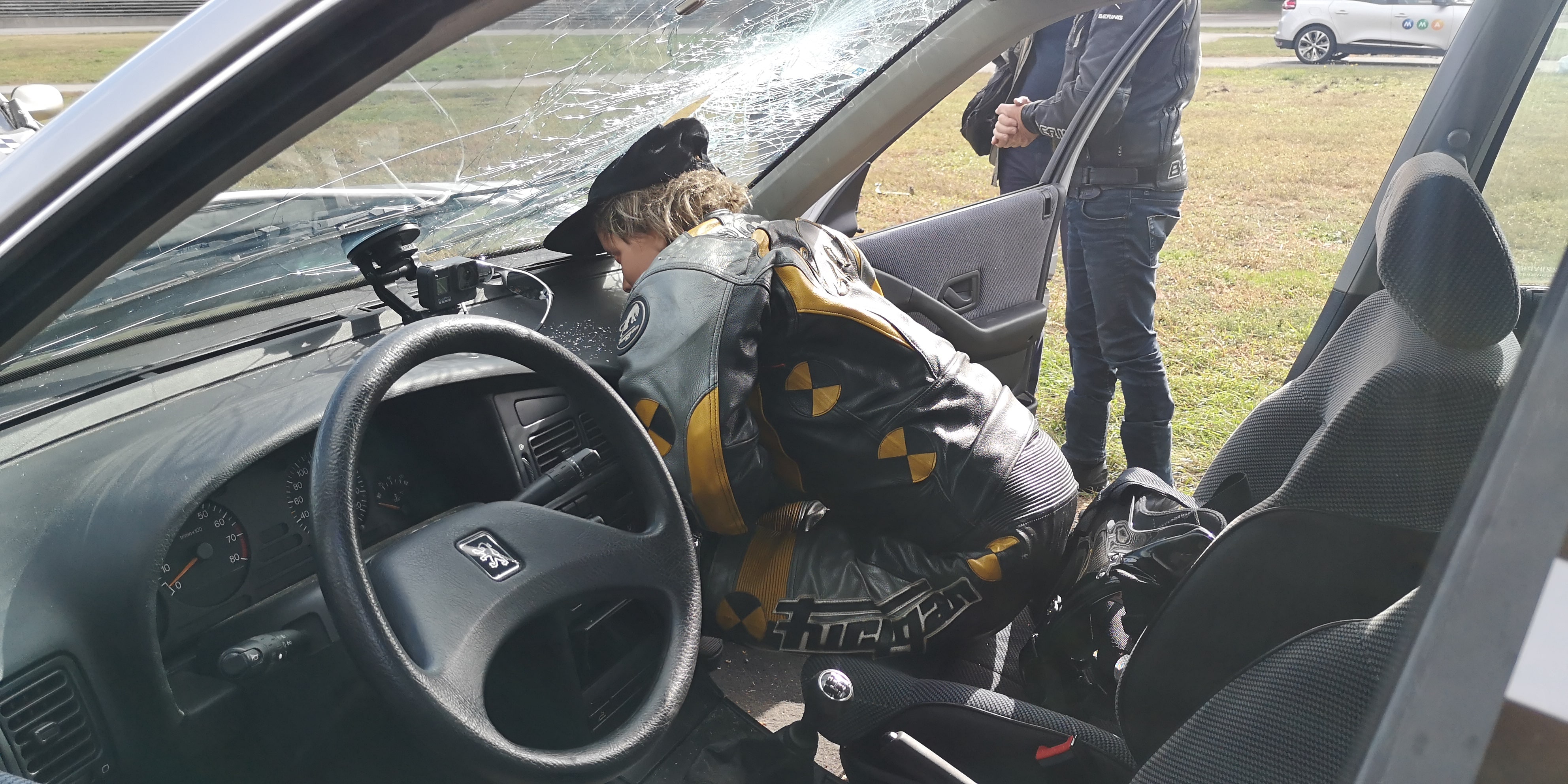
[h=4][/h]Un accident entre 2 véhicules est alors simulé. L'un des passagers (mannequin) ne portant pas alors sa ceinture de sécurité est projeté contre le pare-brise durant le choc.
[TABLE="class: default, width: 100%"]
[TR]
[TD]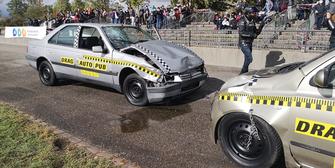
[/TD]
[TD]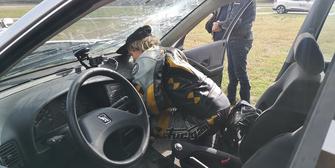
[/TD]
[/TR]
[/TABLE]
[h=4][/h]
https://www.haut-rhin.gouv.fr/Actua...te-routiere-crash-test-pedagogique-a-Mulhouse
[h=4][/h]Un accident entre 2 véhicules est alors simulé. L'un des passagers (mannequin) ne portant pas alors sa ceinture de sécurité est projeté contre le pare-brise durant le choc.
[TABLE="class: default, width: 100%"]
[TR]
[TD]
[/TD]
[TD]
[/TD]
[/TR]
[/TABLE]
[h=4][/h]
1986 Saab 9000 NHTSA crash test
https://www.youtube.com/watch?v=ijzU9OUUH9A
https://www.youtube.com/watch?v=4UP7j5TVuPc&ab_channel=CrashNet1
Nao sei se ja em 1986 a Saab tinha reforçado o 9000. Li algures que após um crash test interno feito com um Alfa 164 cujos resultados foram desastrosos a Saab, reforçou os 9000. Neste teste embora sendo um full overlap denota-se, que a carroçaria começa a demonstrar sinais de colapso e ha, uma viotento impacto da cabeça e peito do condutor no volante, e da cabeça do passageiro no tablier.

Na legenda do video diz que os modelos de 87 receberam, airbag para o condutor e pre tensores no cintos da frente e o resultado do teste era de 4 estrelas. Provavelmente a versao de 1986 obteria, um resultado ao nível do Nissan Maxima no crash test das 8 berlinas executivas feito pela AMS em 89
https://www.youtube.com/watch?v=ijzU9OUUH9A&ab_channel=CarPro1993-CrashTestArchive
A NHTSA Full-Overlap Frontal Crash Test at 35 Mph (56 Km/h). Both occupants are 50th percentile male Hybrid III dummies.This MY1986 NHTSA New Car Assessment Program Full-Overlap Frontal Crash Test was performed on 03/12/1986 at Calspan Corporation.
Rating only applies to 1986 model year Saab 9000 sedan and hatchback models without a driver's airbag and with standard mechanical seatbelt pretensioners.
1987 models received a much higher rating, and models with pyrotechnic seatbelt pretensioners and a driver's airbag also perform differently. Rating was based upon pre-2011 criteria. (1978-2010) NHTSA Frontal Crash Test of the 1986 Saab 9000 CE (Hatchback). Driver - Passenger ** - * (Two Stars - One Star) HIC 773!! - 1443!! (!!Exceeds FMVSS 208 HIC15 requirement of 700) Head G's 168 - 206 Chest G's 71!!- 46 (!!Exceeds FMVSS 208 requirement of 60g) Femur Load (L/R - N) Data Lost/1873 - 2153/2406
https://www.youtube.com/watch?v=ijzU9OUUH9A
https://www.youtube.com/watch?v=4UP7j5TVuPc&ab_channel=CrashNet1
Nao sei se ja em 1986 a Saab tinha reforçado o 9000. Li algures que após um crash test interno feito com um Alfa 164 cujos resultados foram desastrosos a Saab, reforçou os 9000. Neste teste embora sendo um full overlap denota-se, que a carroçaria começa a demonstrar sinais de colapso e ha, uma viotento impacto da cabeça e peito do condutor no volante, e da cabeça do passageiro no tablier.
Na legenda do video diz que os modelos de 87 receberam, airbag para o condutor e pre tensores no cintos da frente e o resultado do teste era de 4 estrelas. Provavelmente a versao de 1986 obteria, um resultado ao nível do Nissan Maxima no crash test das 8 berlinas executivas feito pela AMS em 89
https://www.youtube.com/watch?v=ijzU9OUUH9A&ab_channel=CarPro1993-CrashTestArchive
A NHTSA Full-Overlap Frontal Crash Test at 35 Mph (56 Km/h). Both occupants are 50th percentile male Hybrid III dummies.This MY1986 NHTSA New Car Assessment Program Full-Overlap Frontal Crash Test was performed on 03/12/1986 at Calspan Corporation.
Rating only applies to 1986 model year Saab 9000 sedan and hatchback models without a driver's airbag and with standard mechanical seatbelt pretensioners.
1987 models received a much higher rating, and models with pyrotechnic seatbelt pretensioners and a driver's airbag also perform differently. Rating was based upon pre-2011 criteria. (1978-2010) NHTSA Frontal Crash Test of the 1986 Saab 9000 CE (Hatchback). Driver - Passenger ** - * (Two Stars - One Star) HIC 773!! - 1443!! (!!Exceeds FMVSS 208 HIC15 requirement of 700) Head G's 168 - 206 Chest G's 71!!- 46 (!!Exceeds FMVSS 208 requirement of 60g) Femur Load (L/R - N) Data Lost/1873 - 2153/2406
LinoMarques
Well-known member
A Saab já tinha reforçado o carro originalmente em comparação com os italianos.
Mas depois, com o restyling, voltou a reforçar. Foi essa versão que foi testada e publicada na Auto Magazine junto com o Volvo 850.
Mas depois, com o restyling, voltou a reforçar. Foi essa versão que foi testada e publicada na Auto Magazine junto com o Volvo 850.
LinoMarques
Well-known member
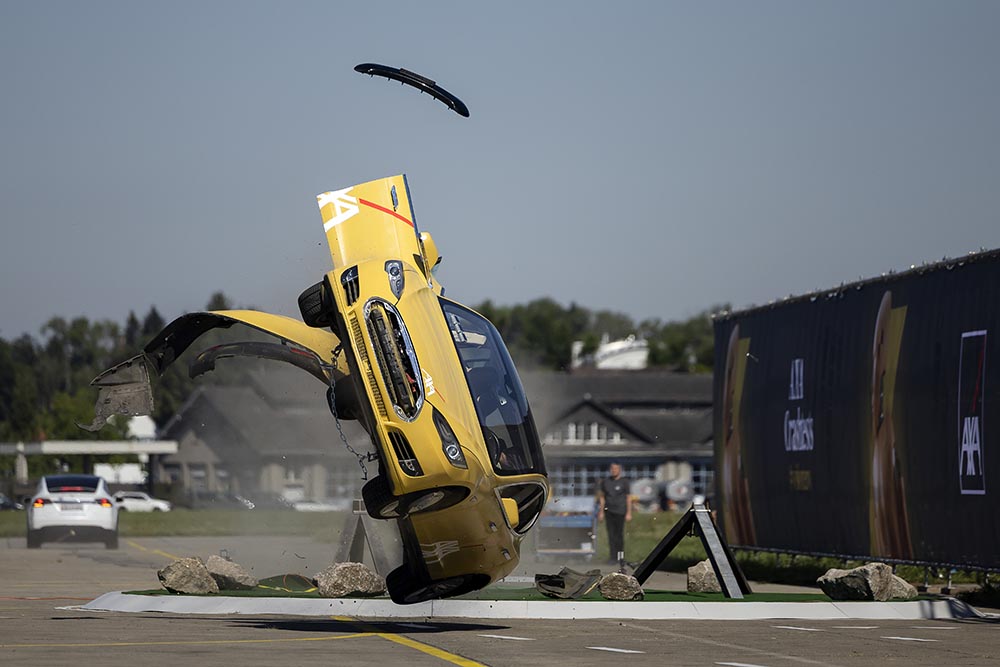
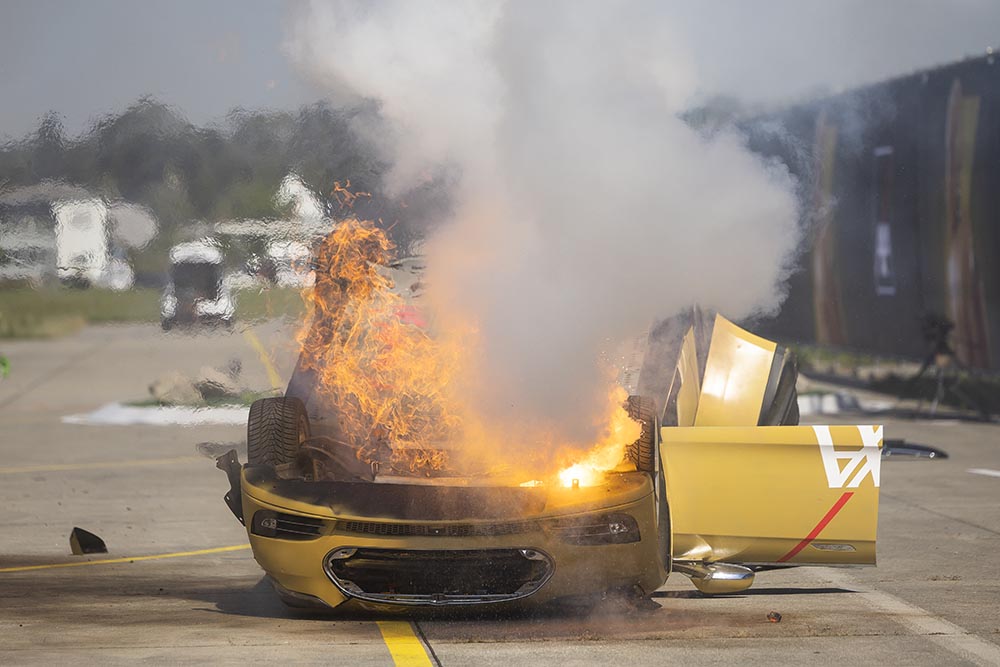
Crash-tests veículos eléctricos (AXA Winterthur 2022):
https://www.carpixx.ch/en/axa-crash-test-electric-cars/
https://www.carpixx.ch/en/axa-crash-test-electric-cars/