Reporting from Hell:The Lamborghini Topic

Countach e Gallardo
Lamborghini-Countach-Lamboghini-Gallardo-LP-550-2-Frontansicht-19-fotoshowImageNew-342f8486-659632.jpg

Lamborghini-Countach-Motor-19-fotoshowImageNew-c0ebd3d1-659637.jpg
Lamboghini-Gallardo-LP-550-2-Motor-19-fotoshowImageNew-36e73a3a-659638.jpg
Lamborghini-Countach-Cockpit-Lenkrad-19-fotoshowImageNew-3816ab99-659636.jpg
Lamborghini-Countach-Lamboghini-Gallardo-LP-550-2-Seitenansicht-Schalthebel-19-fotoshowImageNew-2e9d9b95-659635.jpg
Lamborghini-Countach-Lamboghini-Gallardo-LP-550-2-Heckansicht-19-fotoshowImageNew-3a9f8c61-659633.jpg
Lamborghini-Countach-Lamboghini-Gallardo-LP-550-2-Seitenansicht-19-fotoshowImageNew-62c0e055-659634.jpg
 
Lamborghini Diablo VT Roadster: The Devil goes Strada

Lamborghini_Diablo_Roadster_01pop.jpg


All eyes might now be on the Aventador Roadster, but it was its grandfather that perfected the art of prowling sun-drenched boulevards. Almost two decades on from its launch, we take another look at the merits of the Diablo VT Roadster.


Development of the Diablo began in the mid-eighties, during a well-documented period of slow recovery from the financial troubles which almost eradicated the marque. Following on from the successful designs of the Miura and Countach, Marcello Gandini was again contracted to pen the shape, while engineers were briefed to make sure a maximum velocity of 196mph was attainable.

Chrysler’s 1987 takeover had significant implications for the Diablo project. Top brass at the American giant disliked the sharp lines and had their own design studio significantly rework them – annoying Gandini to the point of taking his design to another company, resulting in the Cizeta V16T. Meanwhile, the restyled Diablo made it to market in 1990, proving instantly popular and capable of over 200mph.

Lamborghini_Diablo_Roadster_02pop.jpg

Lamborghini_Diablo_Roadster_03pop.jpg

Lamborghini_Diablo_Roadster_04pop.jpg


It was another five years before a convertible version was released: the 492bhp VT Roadster (VT standing for the viscous traction that was provided by the 4wd configuration) became the first open-top Lamborghini in more than 15 years. More of a targa than a full convertible, it had a one-piece carbonfibre panel that was stored on top of the engine when not in use, necessitating cooling ducts different from those of the be-roofed sibling. Power steering, air-conditioning and four-piston brakes were standard equipment.

Lamborghini_Diablo_Roadster_05pop.jpg

Lamborghini_Diablo_Roadster_06pop.jpg

Lamborghini_Diablo_Roadster_07pop.jpg


Volkswagen’s 1998 takeover prompted a restructuring of the Diablo family, in order to uphold sales until the Murciélago was ready for market. Revisions to the 1999 VT Roadster included fixed composite headlight lenses (borrowed from the Nissan 300ZX) to supplant the previous pop-up units, as well as a revised interior, new 18-inch wheels, an ABS system, and a power boost to 529bhp. As a result, the 1999 VT Roadster is generally considered to be one of the most desirable and capable members of the Diablo family.

Lamborghini_Diablo_Roadster_08pop.jpg

Lamborghini_Diablo_Roadster_09pop.jpg

Lamborghini_Diablo_Roadster_10pop.jpg


Today’s Lamborghinis are commended and lambasted in equal measure for being ‘tamed’ beasts; while ten-tenths performance is never doubted, their everyday usability is galaxies away from the eccentric Countach era. It was the Diablo which bridged this gap, with the 1999 amendments completing an already much-improved package. The ergonomic and practicality improvements over the Countach meant the Diablo was now as capable at creeping along boulevards as it was at driving in full attack mode – and almost two decades on, few cars skulk along Ocean Drive better than a VT Roadster.


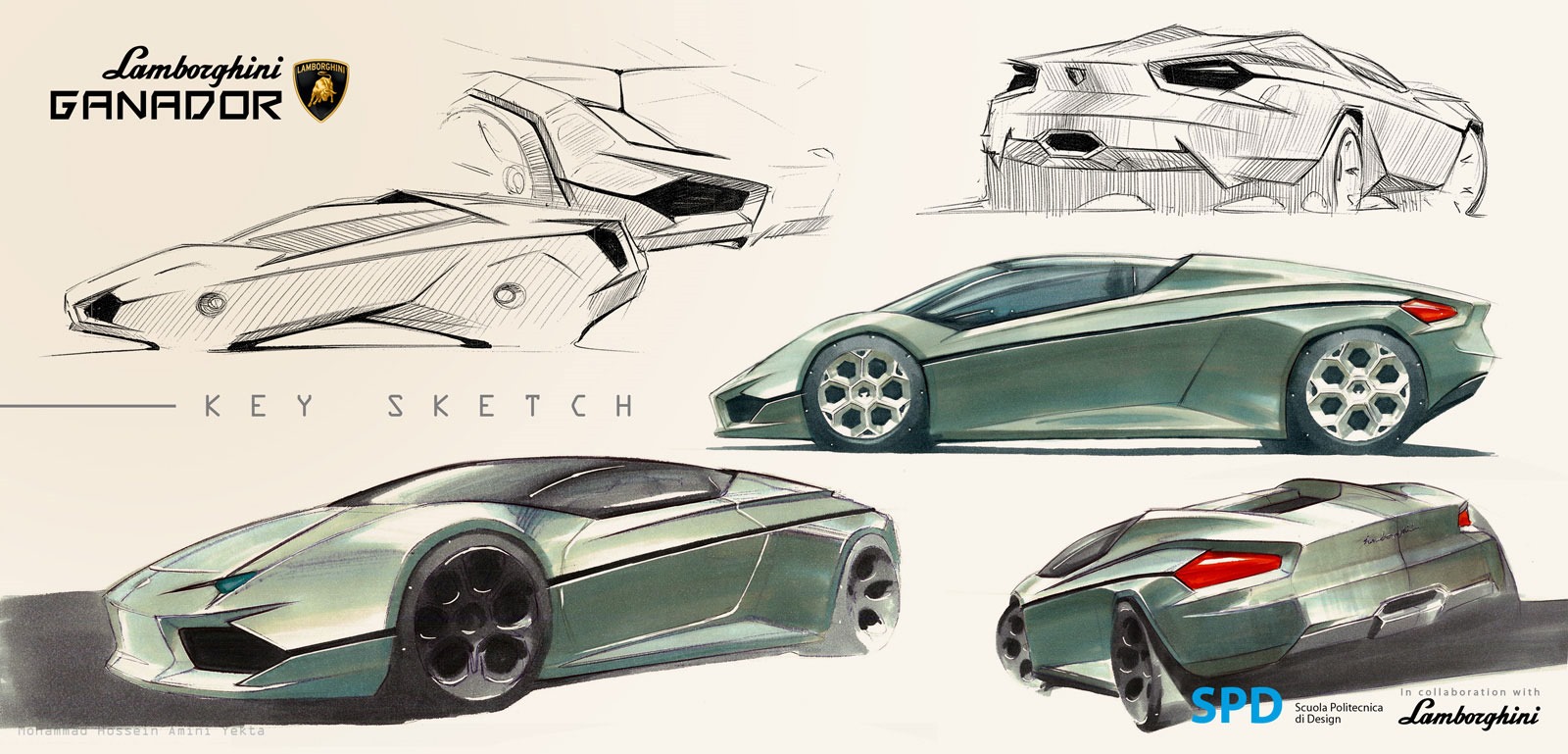
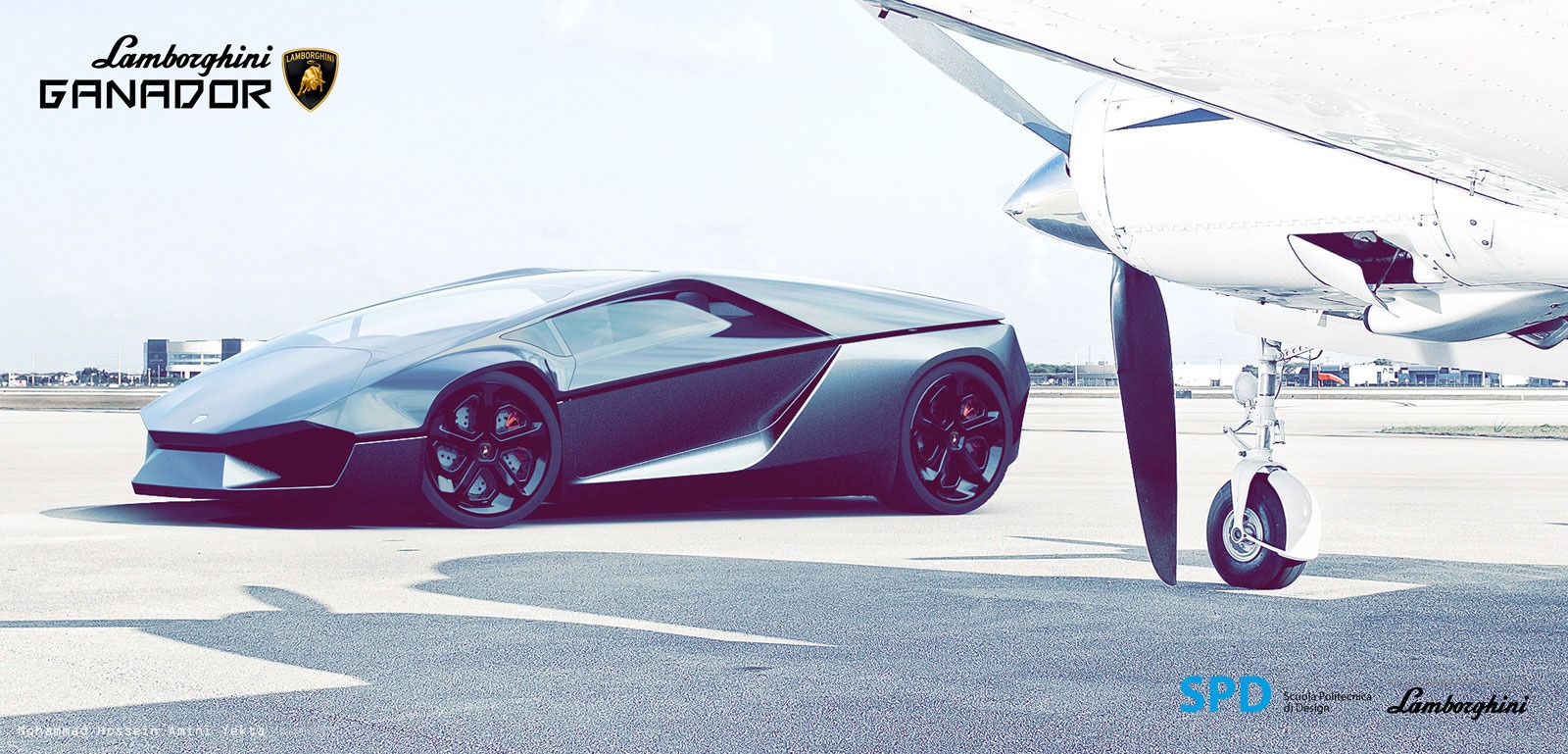
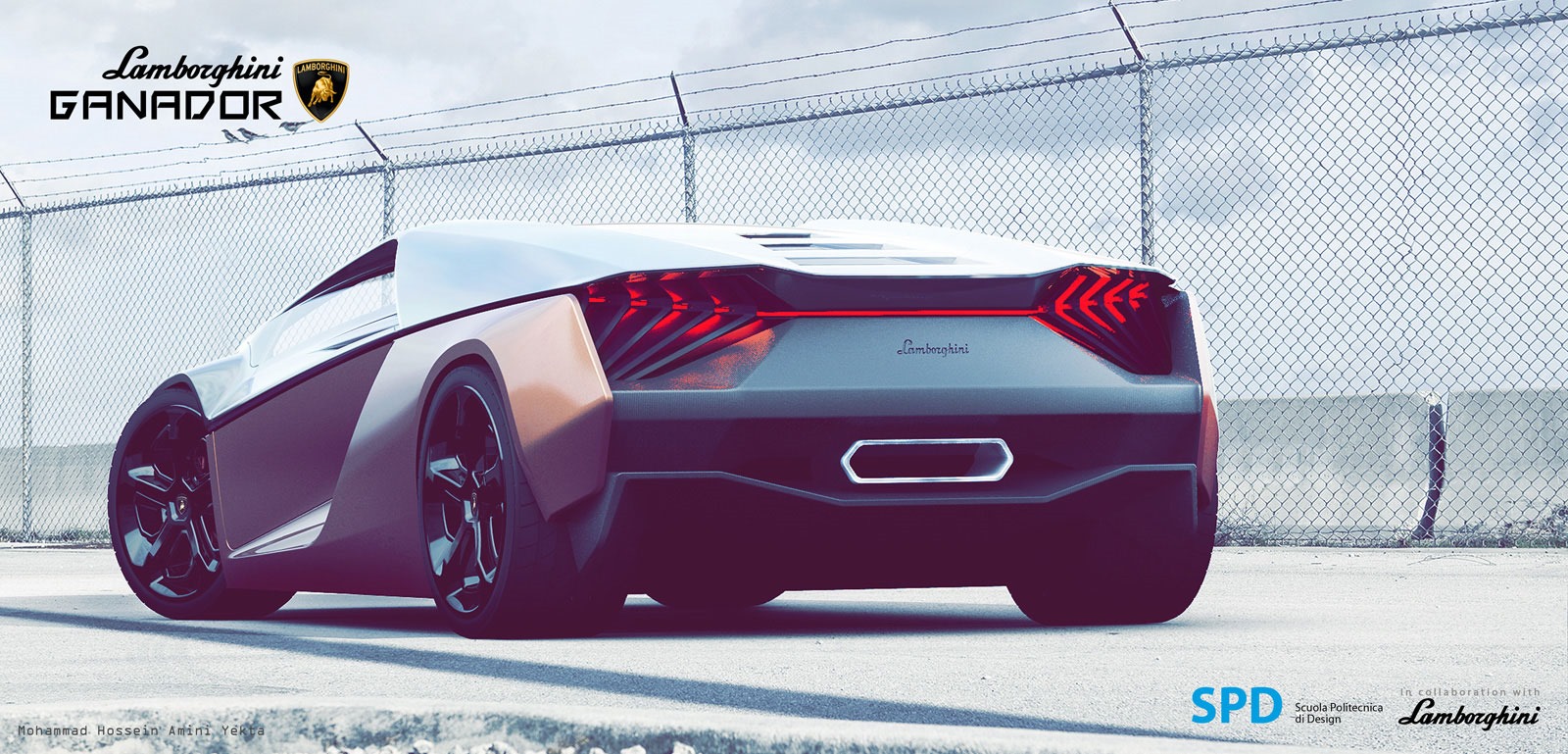
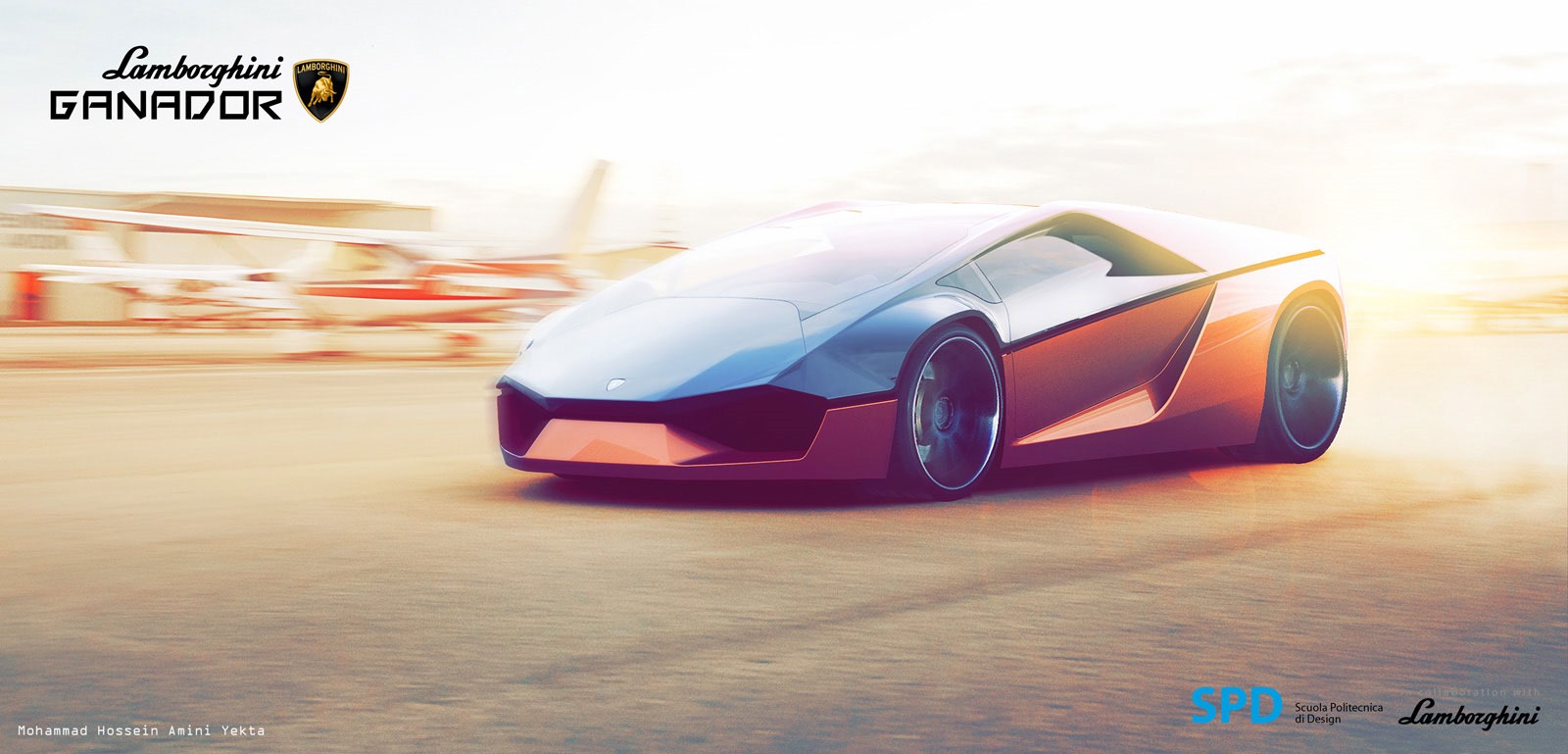
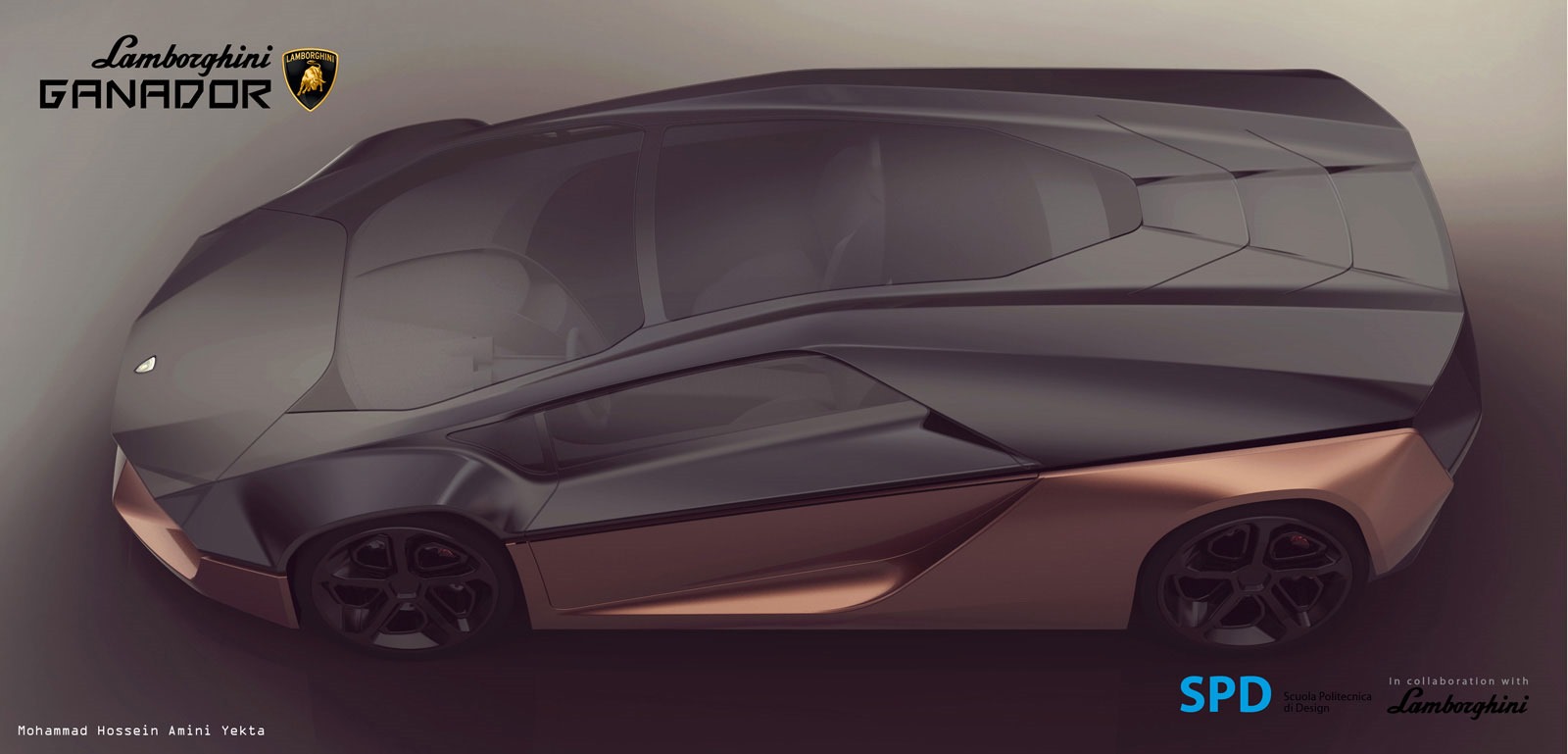
Estudo de design - Lamborghini Ganador Supercar

Who can forget the wonderful wedge-shaped concept and production cars, initially from Bertone and then from Pininfarina, Italdesign and other studios in the late 1960s, and which influenced car designers from all around the world well through the 1980s? The most impressive of these wedge-influence cars where shaped like they could fit right under a gigantic door.Even today, young designers look at concepts like Bertone's 1970 Lancia Stratos HF Zero concept for inspiration in their work.

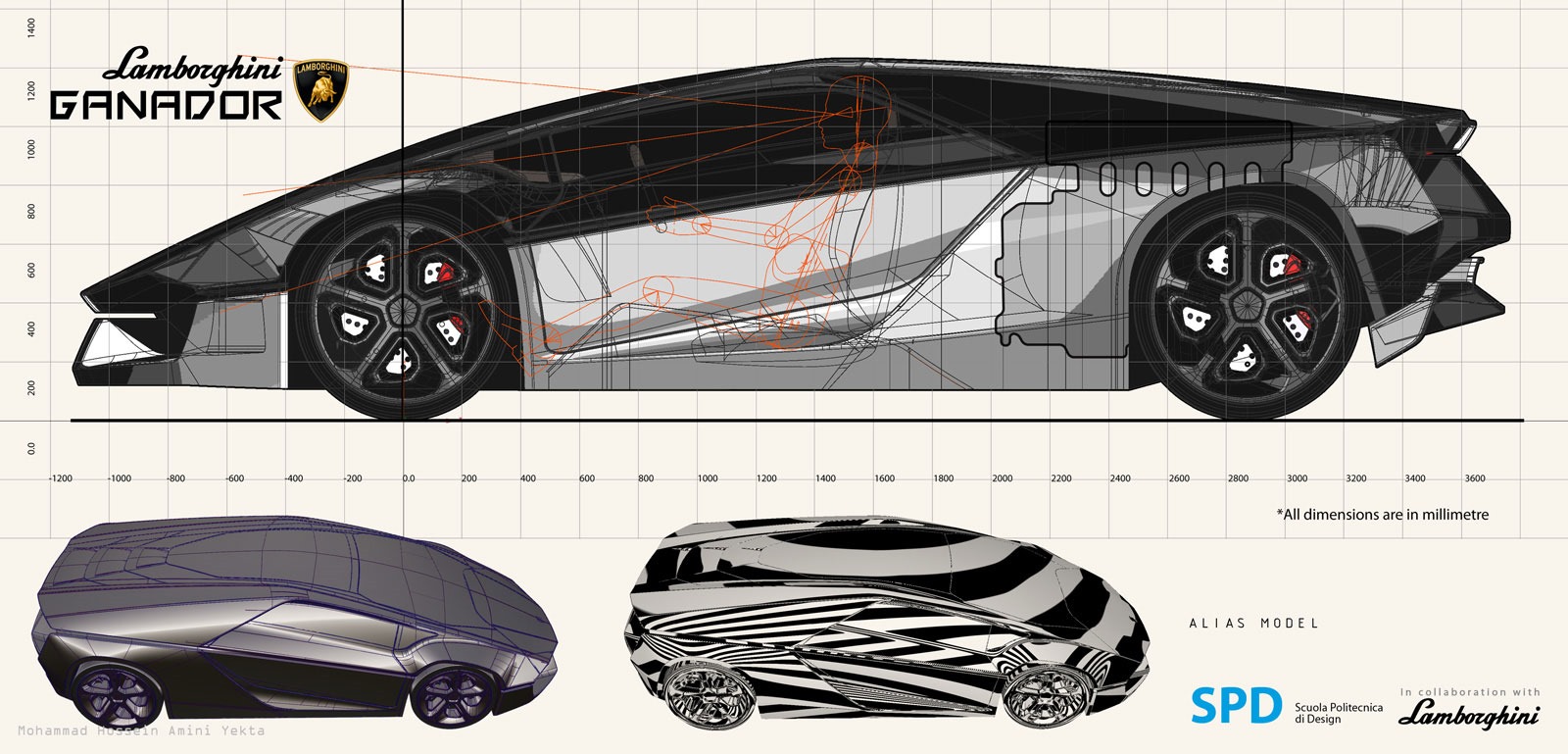
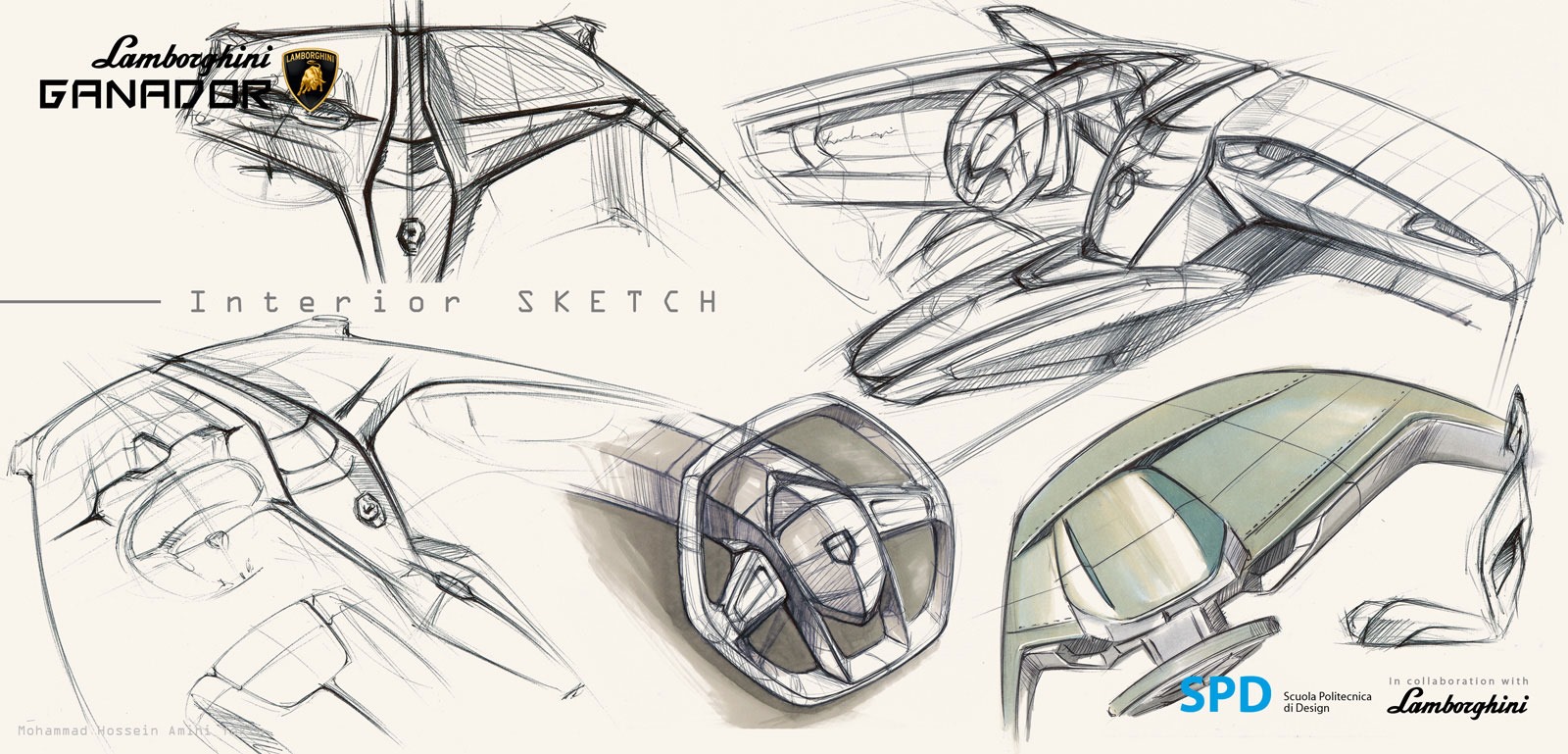
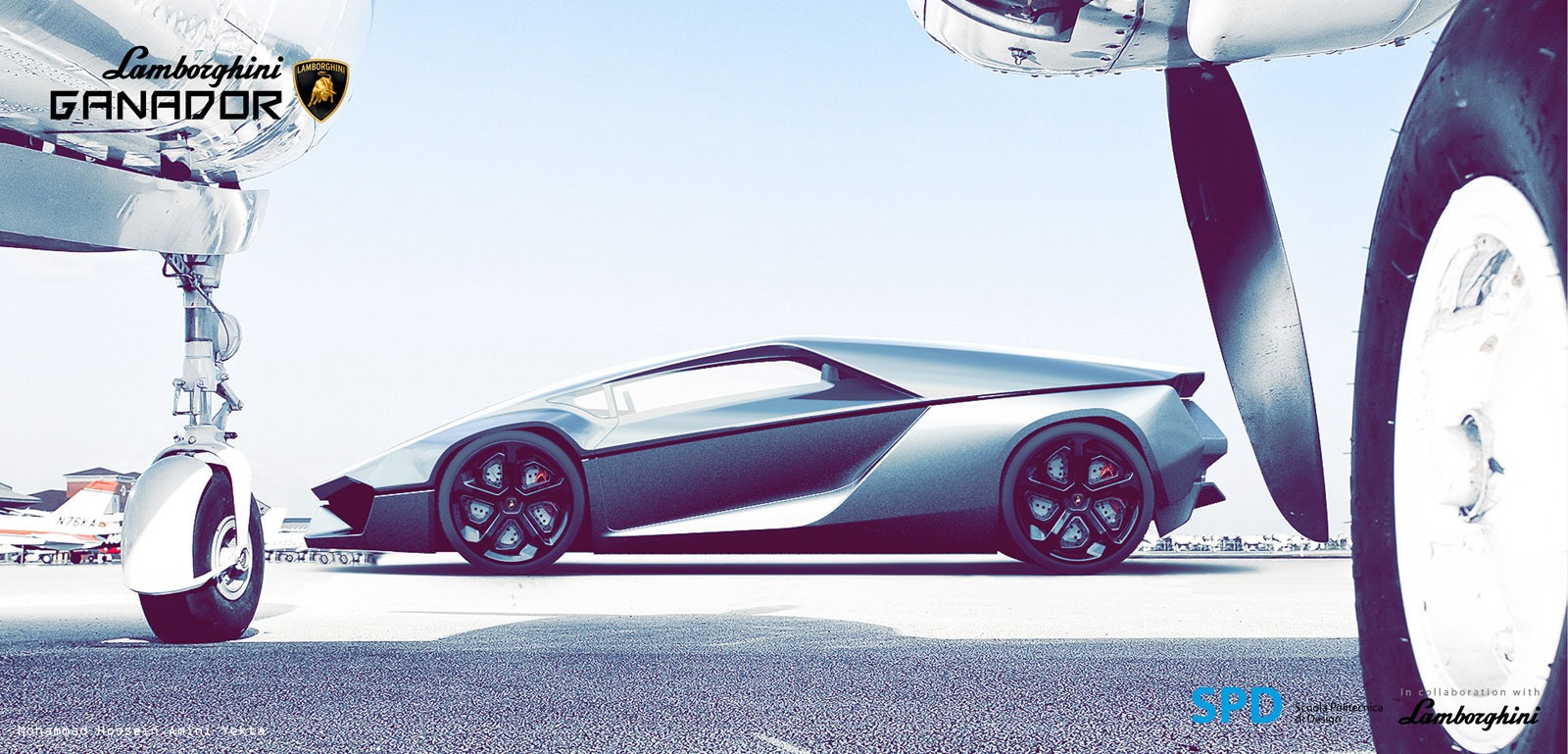
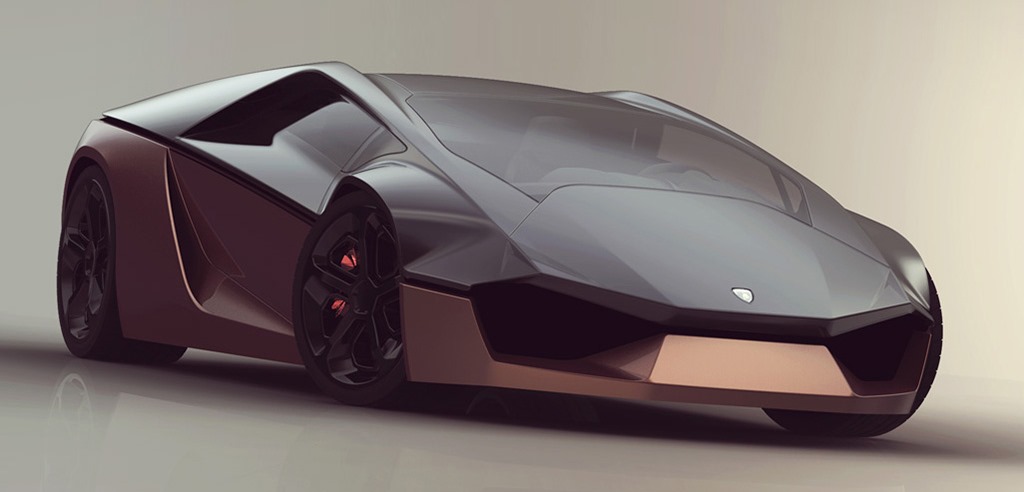
Mohammad Hossein Amini Yekta is one such designer who wanted to bring "wedge: into the 21st centurywith a new concept study for a Lamborghini sports car named the Ganador.

Yekta created the project in collaboration with Lamborghini during his first semester of the 2011-12 Academic Year of the Masters Program at Milan-based SPD.

"The idea is very simple - designing a super sport, having in mind the design values of Lamborghini and at the same time keeping the simplicity while all the designs are going to be over complex," says Yekta.
According to the designer, the main feature of the concept is the division between the lower and upper section "with a very powerful line which goes around the body".

Yekta explains: "This line gives the pointy and aggressive look to the car and also appears as if the upper part is reflected on the lower. The transparent "see trough" upper body part with clean surfaces, sharp edge and crystalline volume in contrast with the muscular and athletic form in the lower part and a powerful heart underneath resemble a gentleman with a muscular body, wearing a tuxedo."
Designer: Mohammad Hossein Amini Yekta, Story References: Carbodydesign
Lamborghini-Ganador-Concept-16%25255B2%25255D.jpg
Lamborghini-Ganador-Concept-22%25255B2%25255D.jpg
Lamborghini-Ganador-Concept-19%25255B2%25255D.jpg
Lamborghini-Ganador-Concept-20%25255B2%25255D.jpg
Lamborghini-Ganador-Concept-21%25255B2%25255D.jpg
 
olhando para este projecto e para o que a Lambo está a apresentar, acho que este designer merecia uma oportunidade para "limpar" a Lamborghini.

Dedicaria atenção à integração do arco de roda dianteiro, mas este projecto grita muito mais Lambo que a caricatura "lemans-esca" chamada Veneno.
 
O Pregunta foi desenhado pela Heuliez, e apesar da Lamborghini ter colaborado na execução deste one-off (fornecendo a base Diablo para o projecto), pouco ou mesmo nada teve a ver com a definição do estilo do carro.

Tal como acontecia no passado, podemos encaixar o Pregunta como trabalho de carroçador.
Ou como vemos hoje em dia com os projectos especiais da Ferrari(sp12 ec) , McLaren (x1).

Pegar numa base e dar-lhe carroçaria nova.
Como o Pregunta, temos o Zagato Raptor, também como base Diablo
article_13802-img_0.jpg


O objectivo seria sempre o de criar uns quantos exemplares e vendê-los a preços exorbitantes, mas, nenhum destes projectos chegou realmente a andar para a frente.

O Pregunta até esteve perto de o conseguir, mas pouco tempo depois de ter sido concebido, a Lamborghini estava a ser comprada pela Audi.
E fez-se razia de uma série de projectos.
 
Voltar
Superior