in Boston.com
Titanic at 100 years
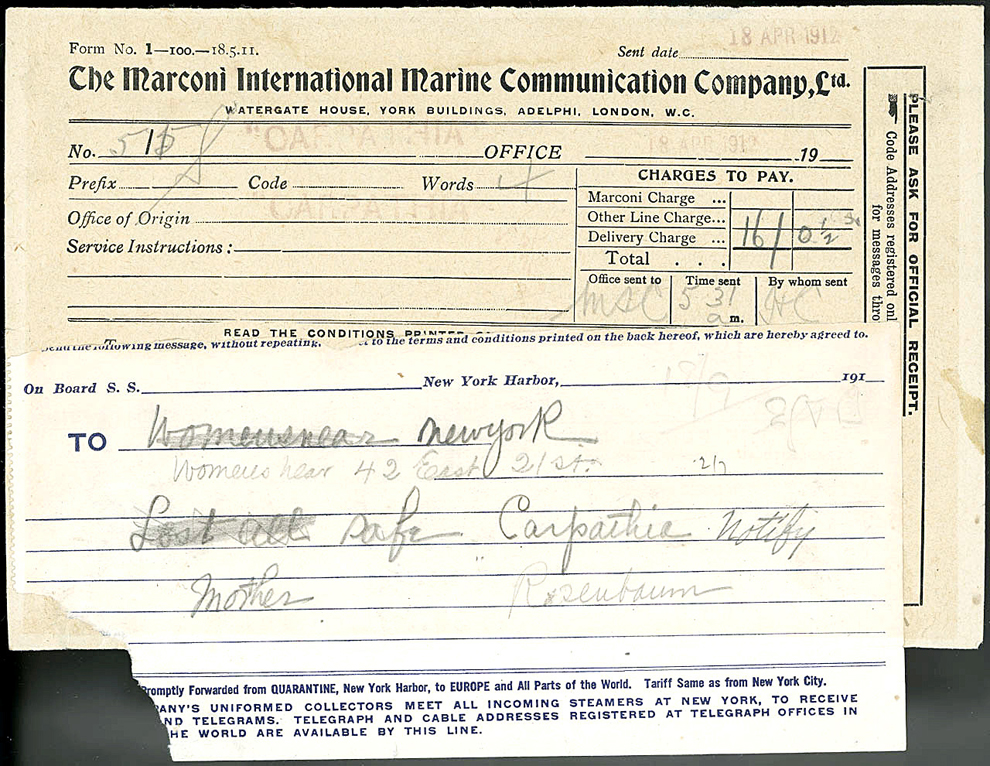
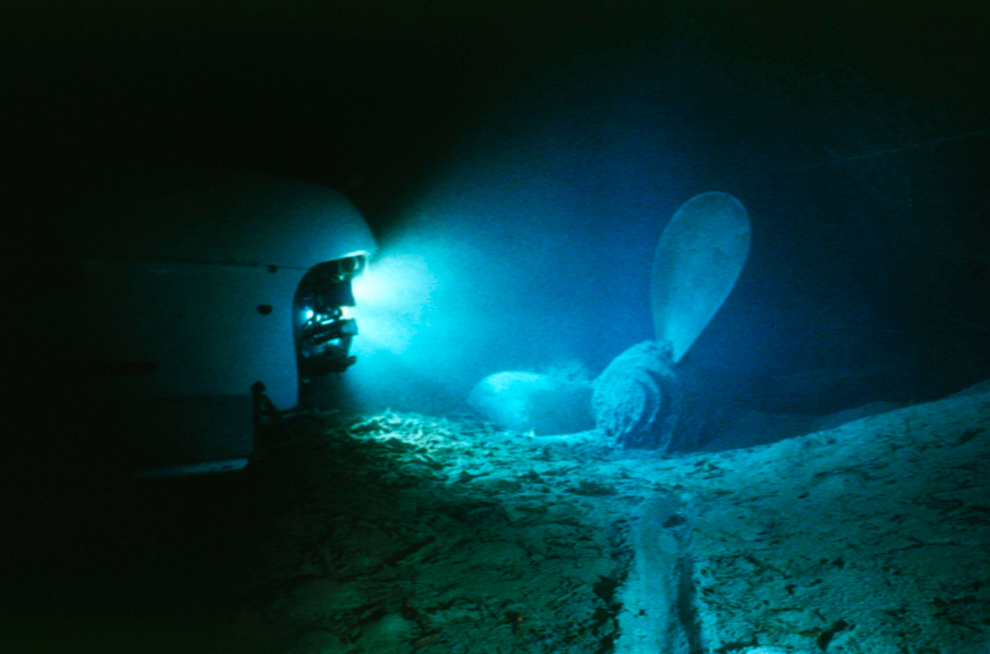
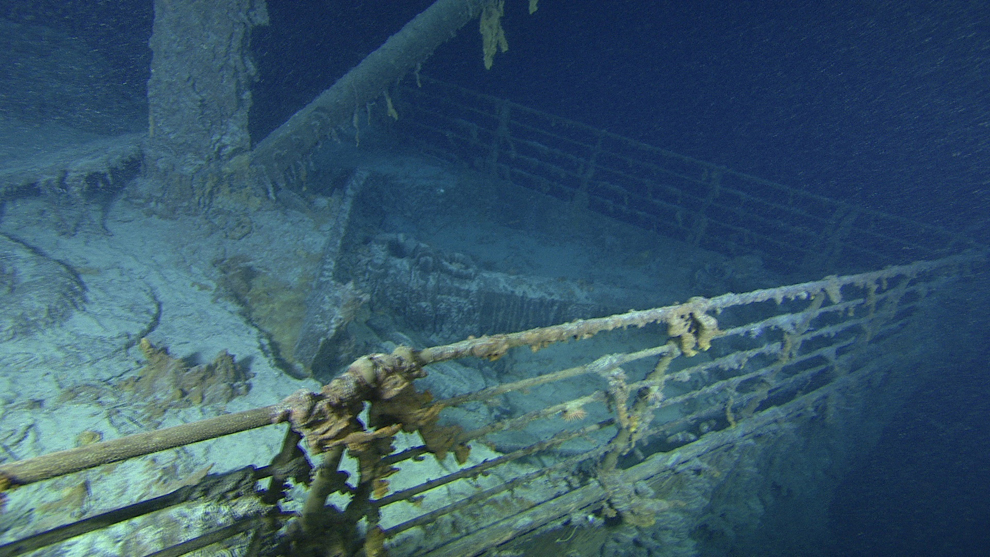
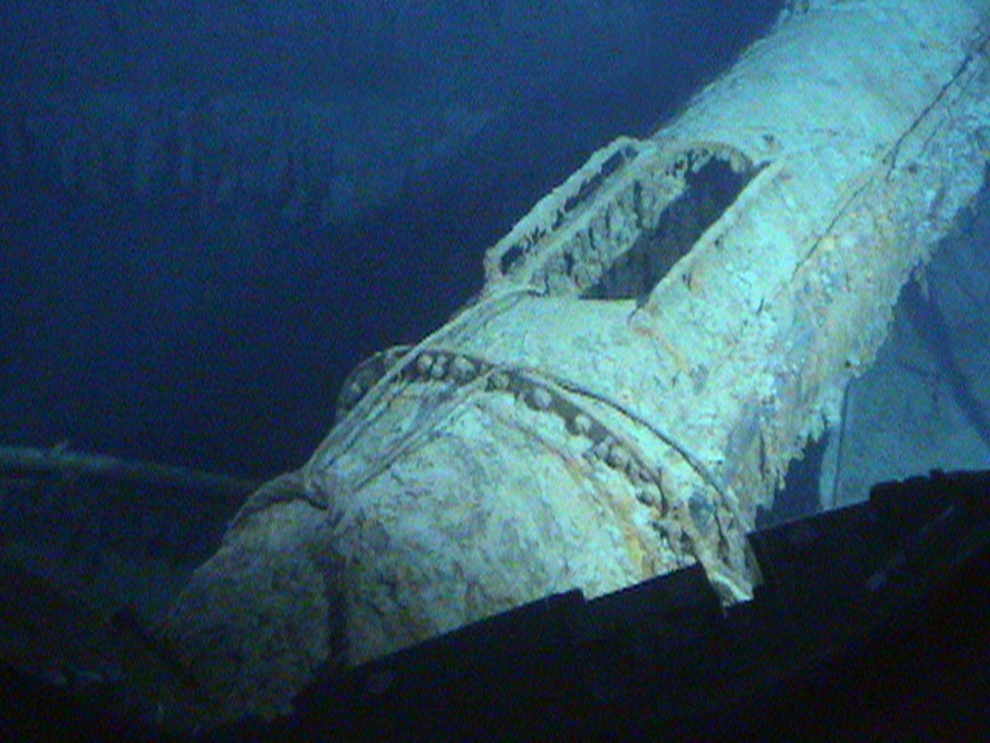
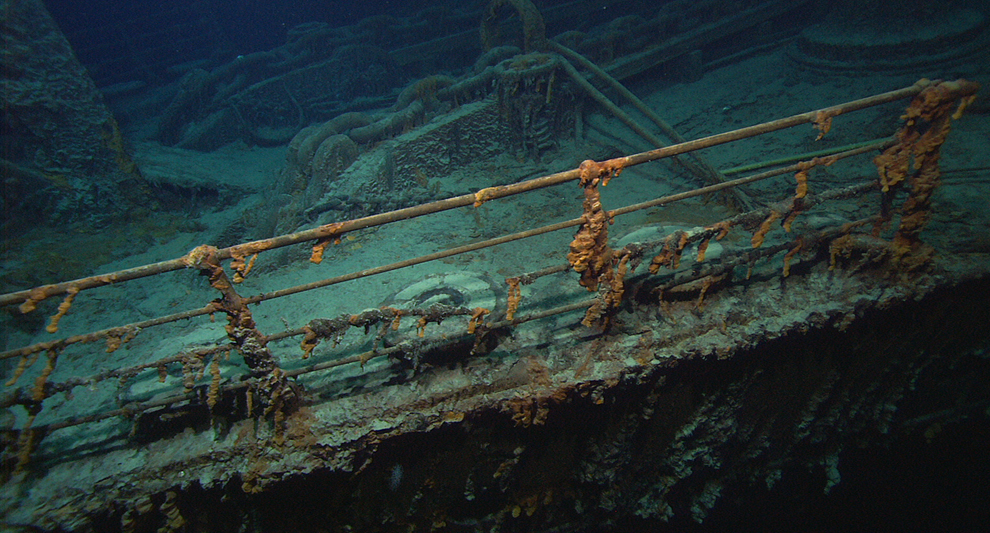
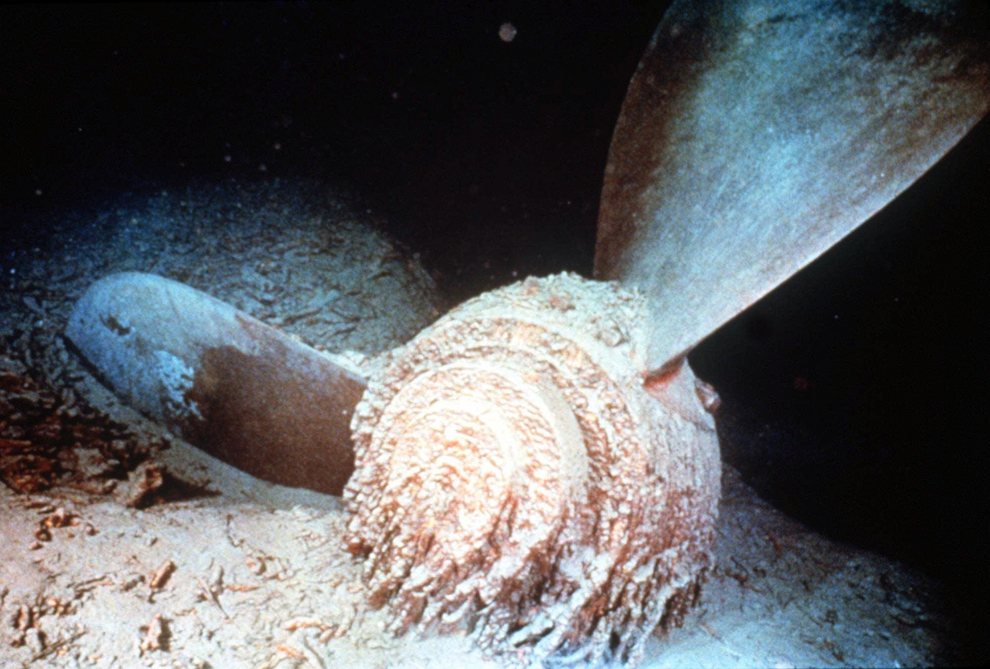
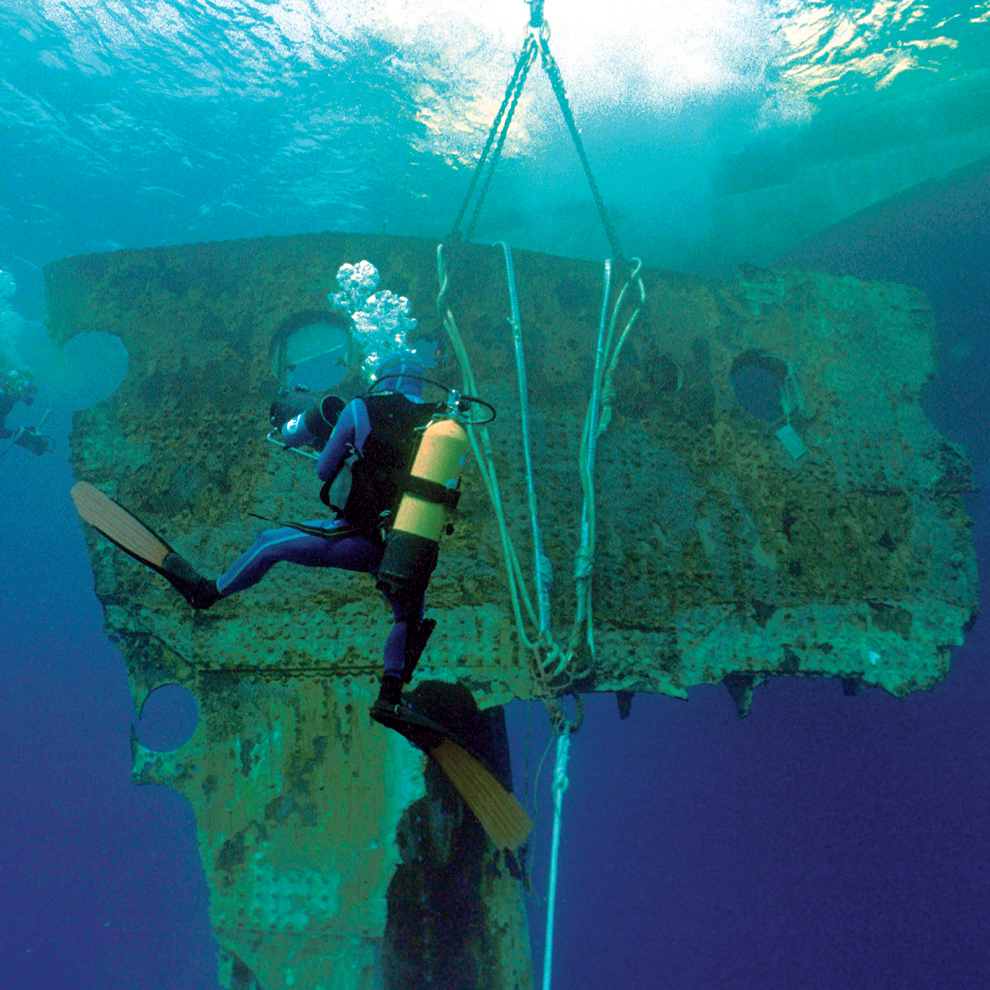
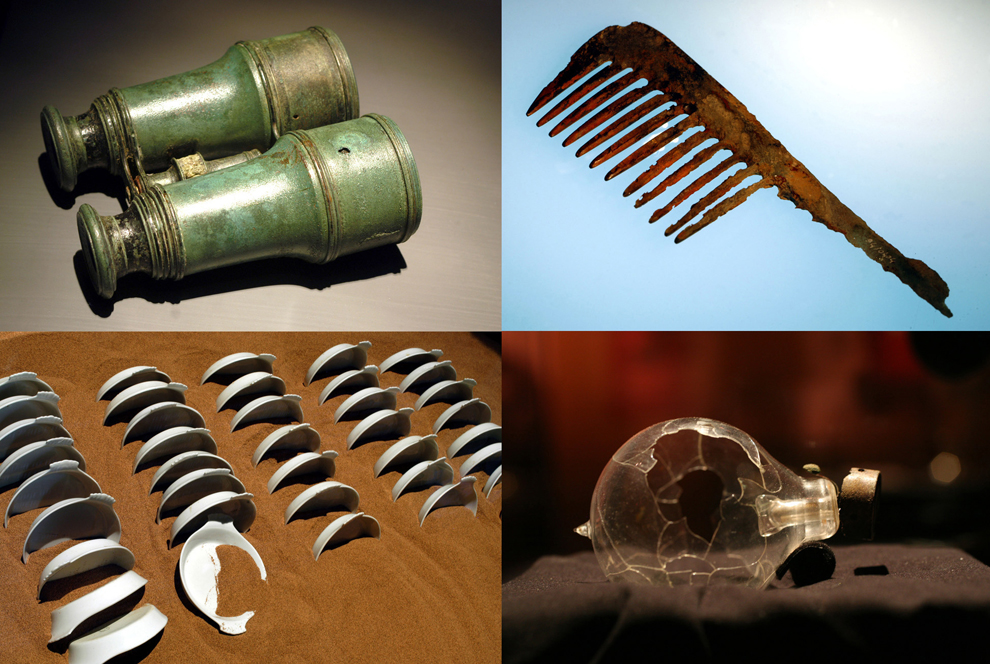
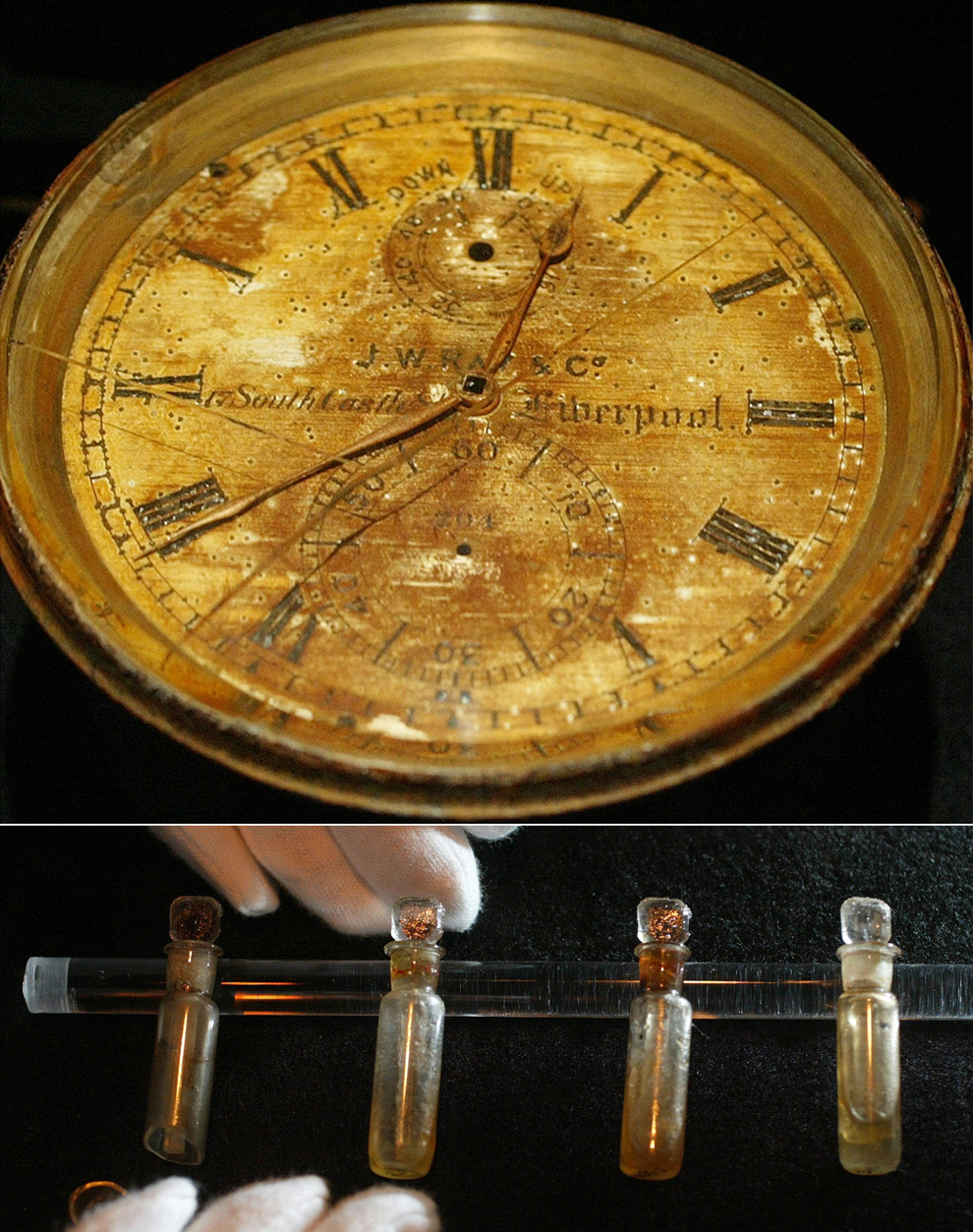
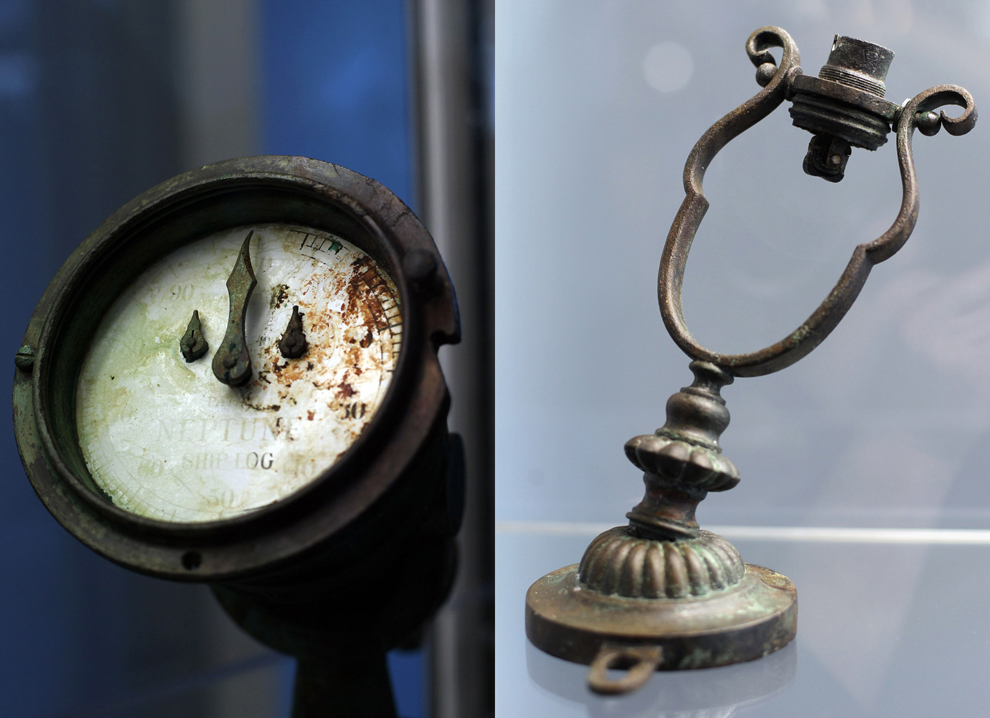
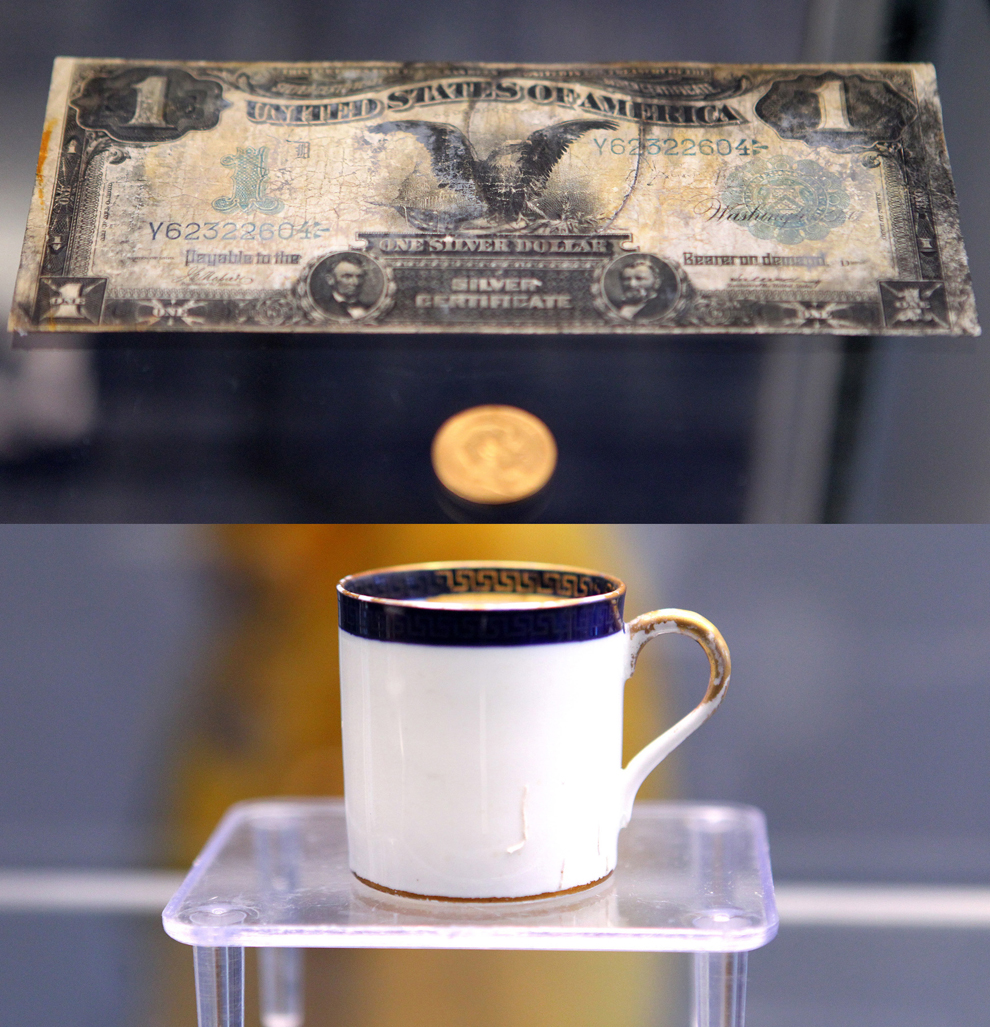
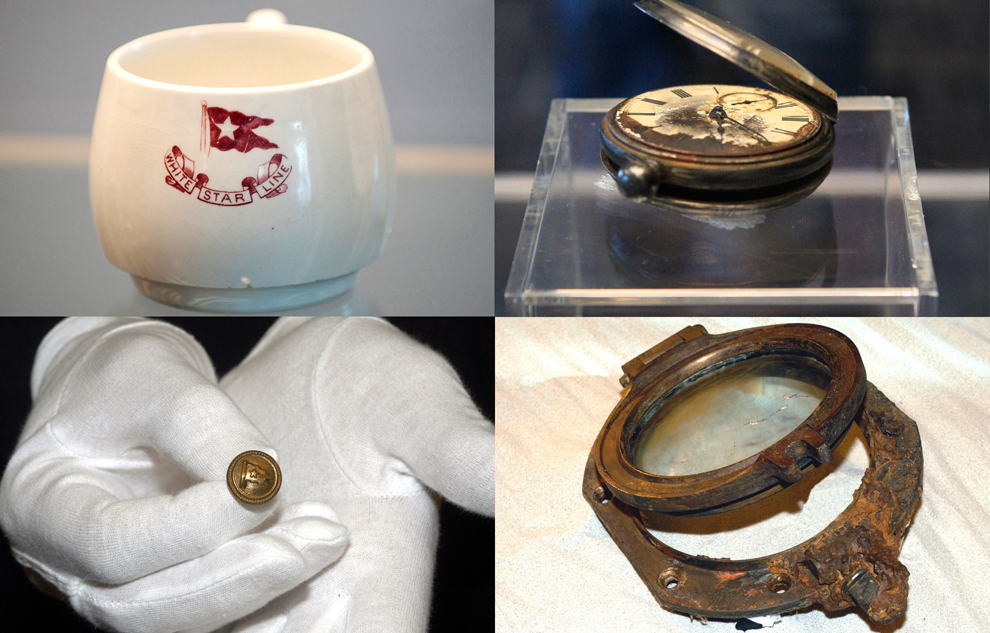
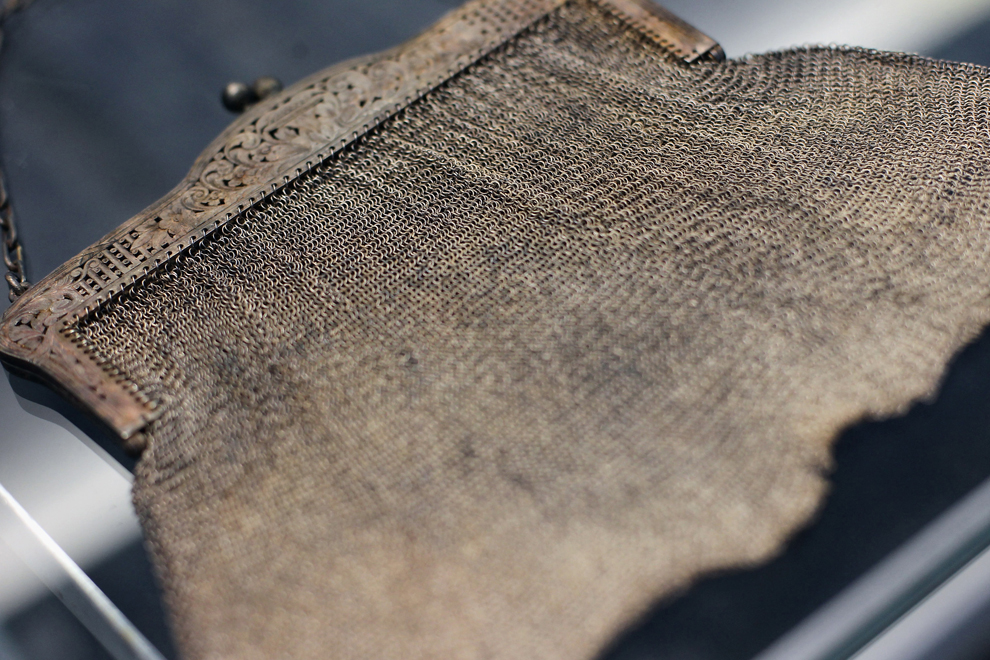
The sinking of the RMS Titanic caused the deaths of 1,517 of its 2,229 passengers and crew (official numbers vary slightly) in one of the deadliest peacetime maritime disasters in history. The 712 survivors were taken aboard the RMS Carpathia. Few disasters have had such resonance and far-reaching effects on the fabric of society as the sinking of the Titanic. It affected attitudes toward social injustice, altered the way the North Atlantic passenger trade was conducted, changed the regulations for numbers of lifeboats carried aboard passenger vessels and created an International Ice Patrol (where commercial ships crossing the North Atlantic still, today, radio in their positions and ice sightings). The 1985 discovery of the Titanic wreck on the ocean floor marked a turning point for public awareness of the ocean and for the development of new areas of science and technology. April 15, 2012 will mark the 100th anniversary of the Titanic disaster. It has become one of the most famous ships in history, her memory kept alive by numerous books, films, exhibits and memorials.
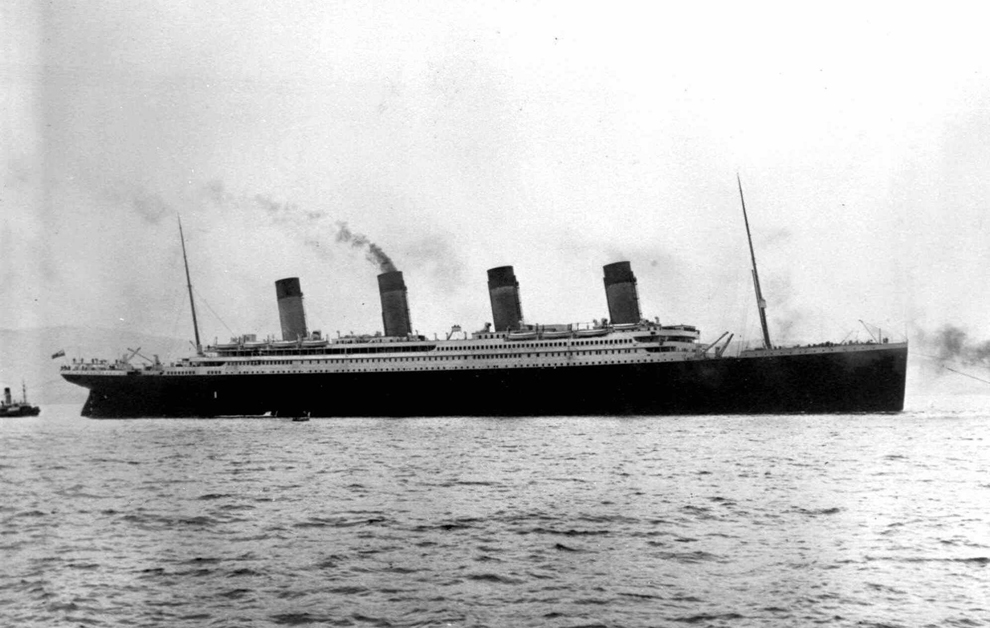
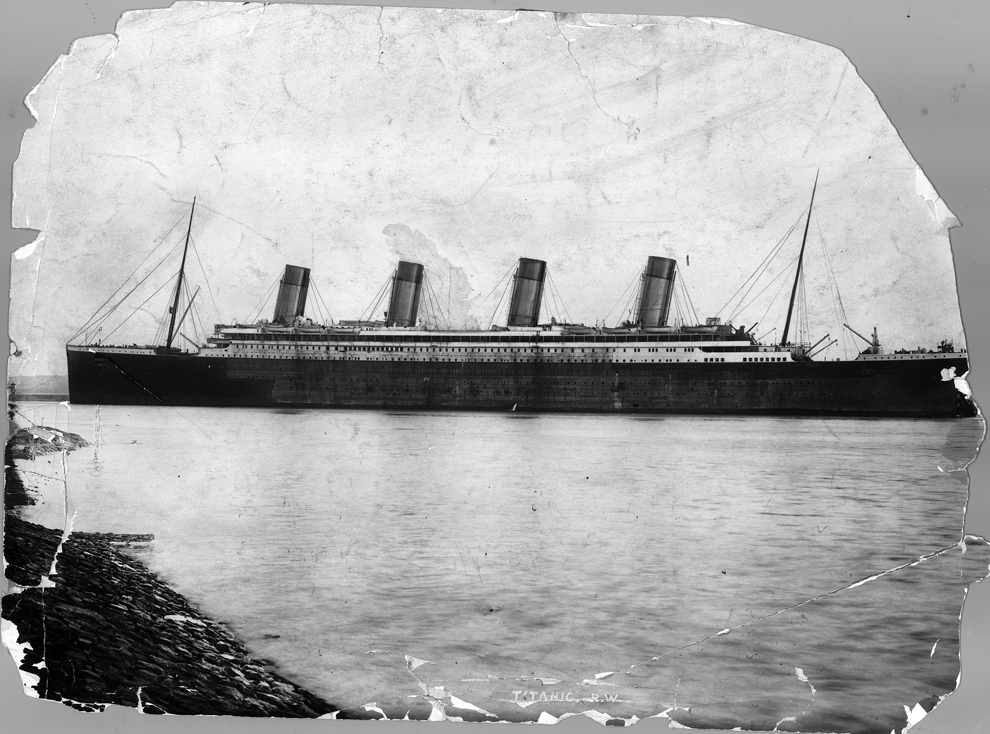
The British passenger liner RMS Titanic leaves from Southampton, England on her maiden voyage, April 10, 1912. Titanic called at Cherbourg, France and Queenstown, Ireland before heading westward toward New York. Four days into the crossing, she hit an iceberg at 11:40 p.m., 375 miles south of Newfoundland. Just before 2:20 am Titanic broke up and sank bow-first with over a thousand people still on board. Those in the water died within minutes from hypothermia caused by immersion in the freezing ocean.(Frank O. Braynard Collection)
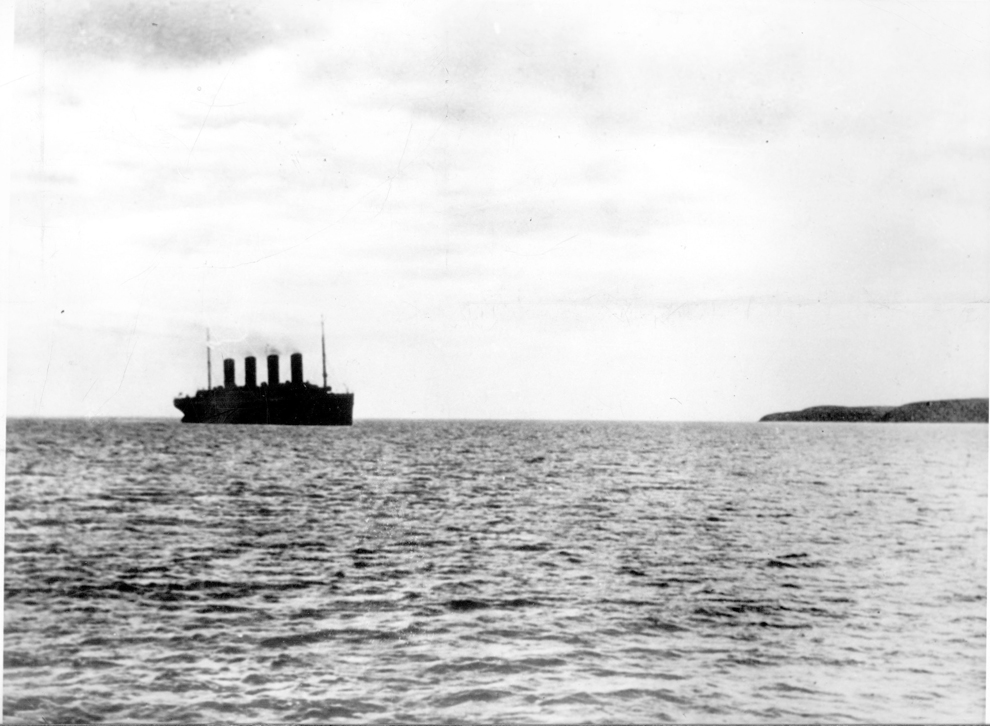
The luxury liner Titanic, in this photo dated 1912, as she left Queenstown for New York, on her ill-fated last voyage. Her passengers included some of the wealthiest people in the world, such as millionaires John Jacob Astor IV, Benjamin Guggenheim and Isidor Strauss, as well as over a thousand emigrants from Ireland, Scandinavia and elsewhere seeking a new life in America. The disaster was greeted with worldwide shock and outrage at the huge loss of life and the regulatory and operational failures that had led to it. The inquiry into the sinking of the Titanic began within days of the sinking and led to major improvements in maritime safety. (United Press International)
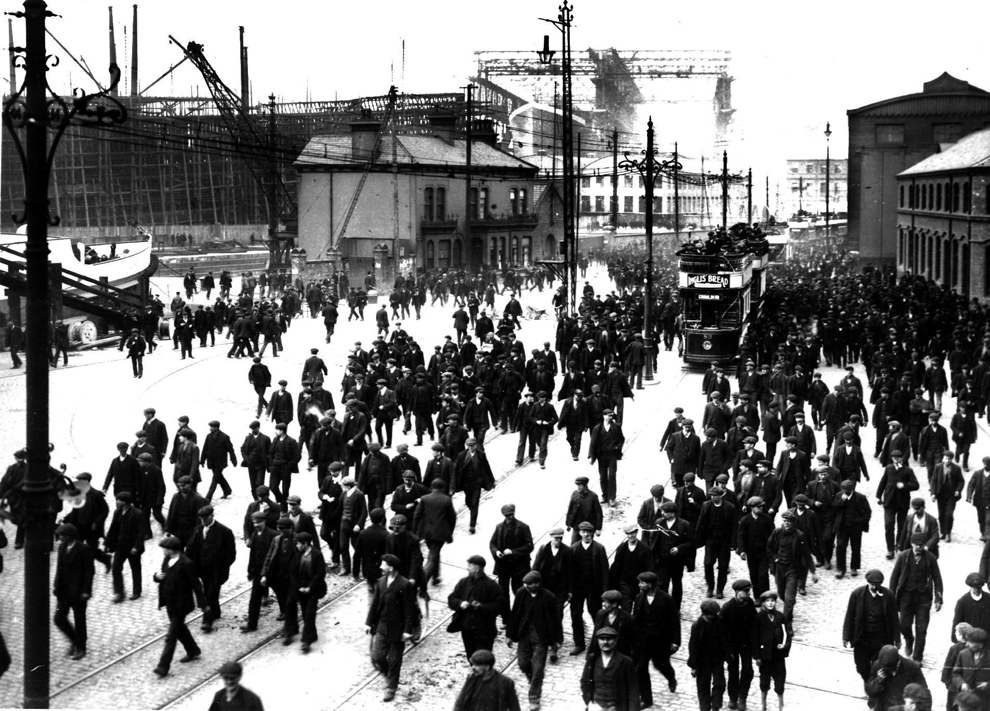
Workers leave the Harland & Wolff Shipyard in Belfast, where the Titanic was built between 1909 and 1911. The ship was designed to be the last word in comfort and luxury and was the largest ship afloat at the time of her maiden voyage. The ship is visible in the background of this 1911 photograph. (Photographic Archive/Harland & Wolff Collection/Cox)
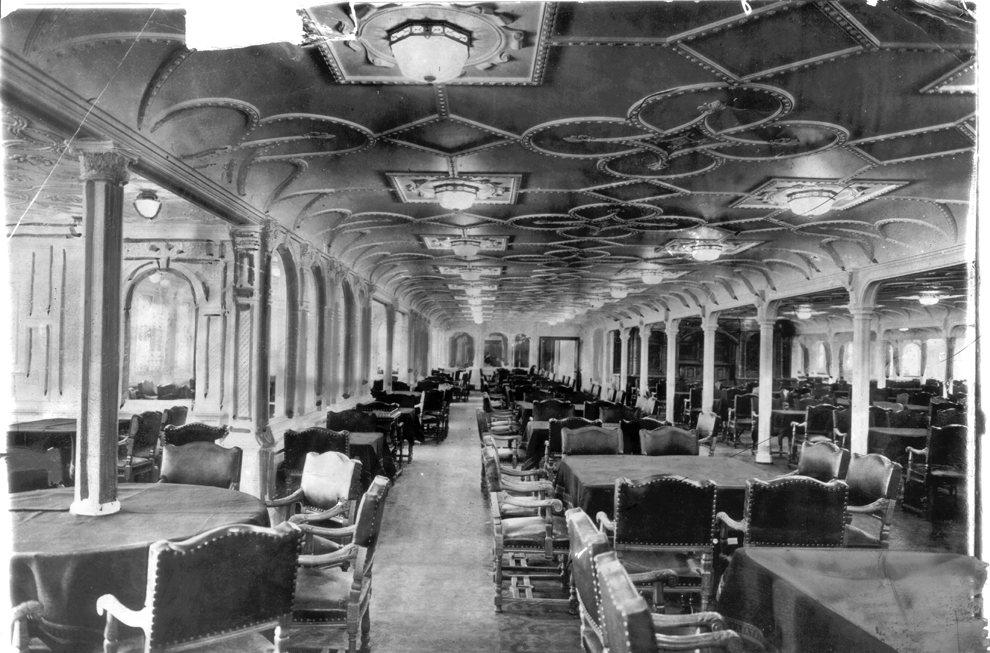
A 1912 photograph of a dining room on the Titanic. The ship was designed to be the last word in comfort and luxury, with an on-board gymnasium, swimming pool, libraries, high-class restaurants and opulent cabins. (The New York Times Photo Archives/American Press Association)
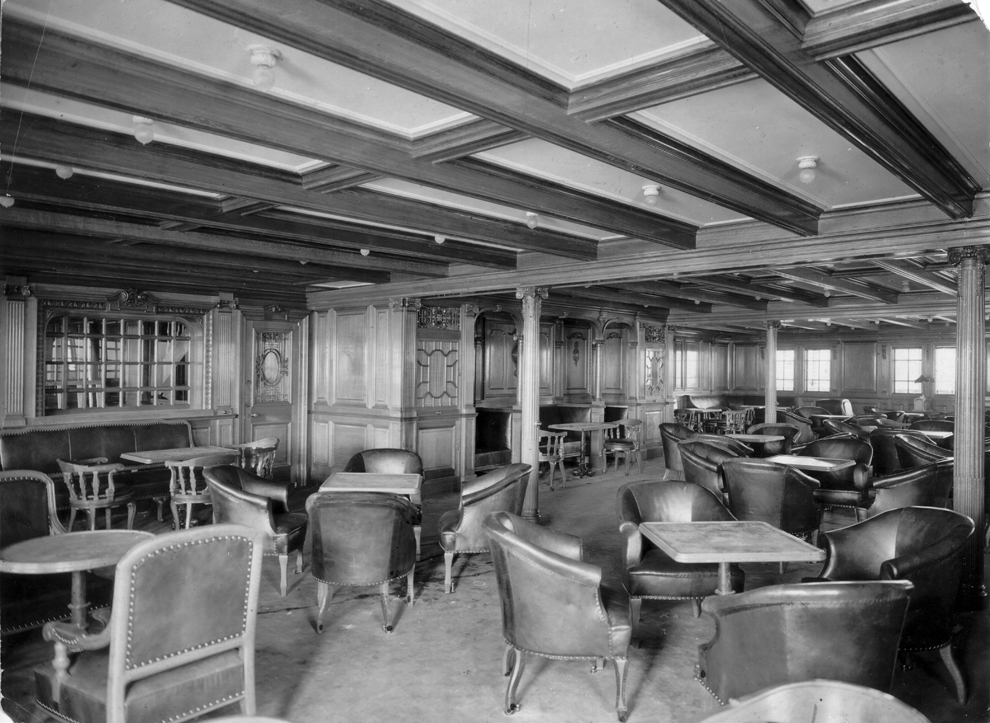
A 1912 photograph of a second class area on the Titanic. A disproportionate number of men – over 90% of those in Second Class – were left aboard due to a "women and children first" protocol followed by the officers loading the lifeboats. (The New York Times Photo Archives/American Press Association)
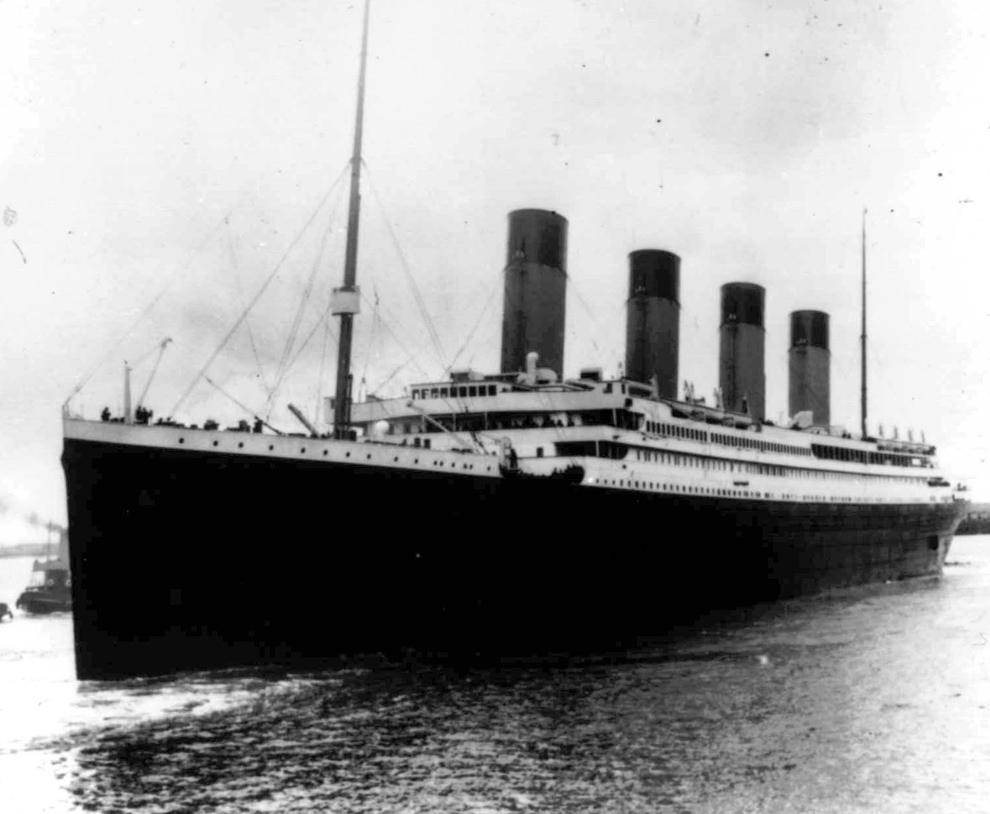
In this April 10, 1912 photo the Titanic leaves Southampton, England. The tragic sinking of the Titanic nearly a century ago can be blamed, some believe, on low grade rivets that the ship's builders used on some parts of the ill-fated liner. (Associated Press)
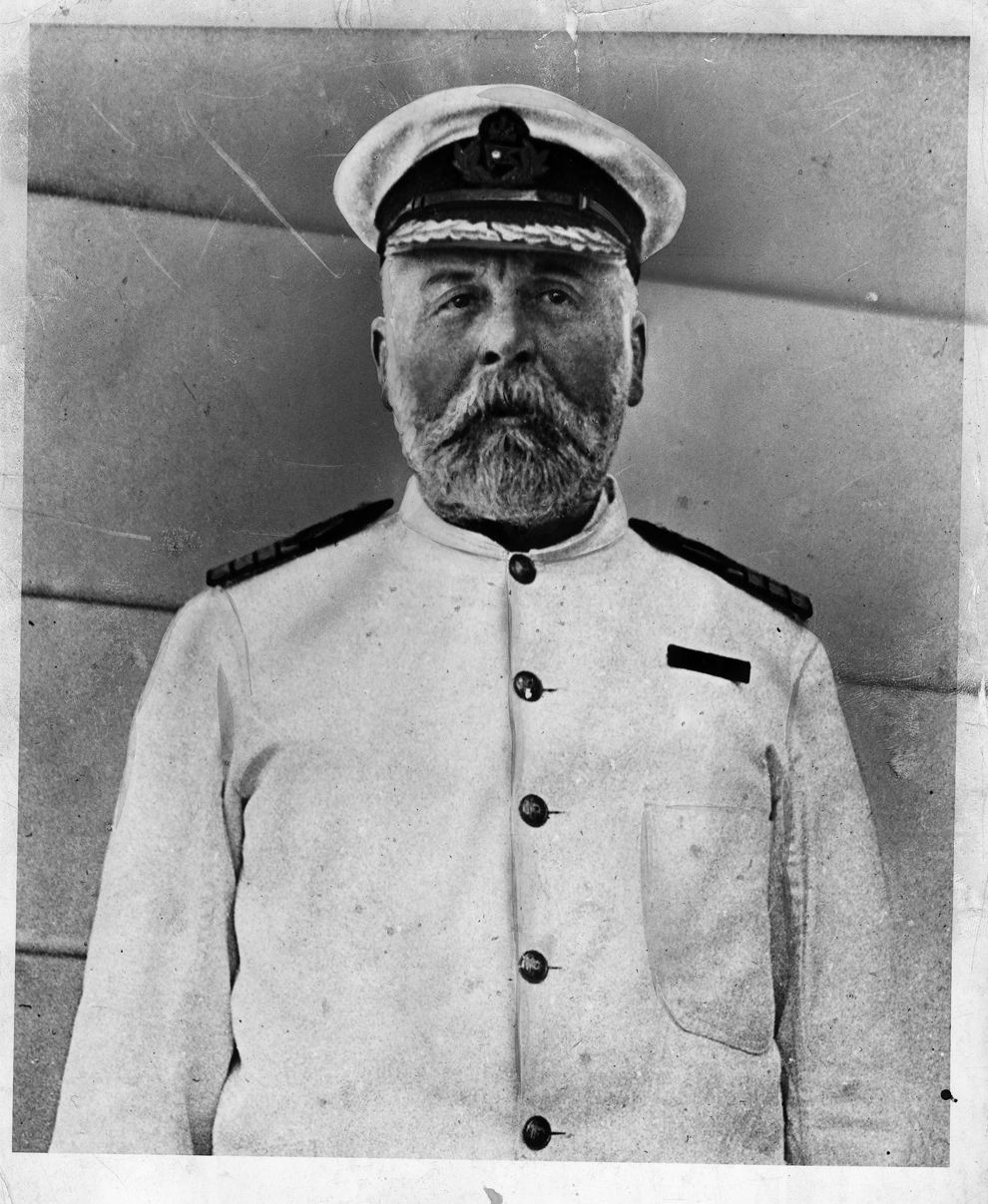
Captain Edward John Smith, commander of the Titanic. The ship he commanded was the largest afloat at the time of her maiden voyage. Titanic was a massive ship - 883 feet long, 92 feet wide, and weighing 52,310 long tons (a long ton is 2240 pounds). It was 175 feet tall from the keel to the top of the four stacks or funnels, almost 35 feet of which was below the waterline. The Titanic was taller above the water than most urban buildings of the time. (The New York Times Archives)
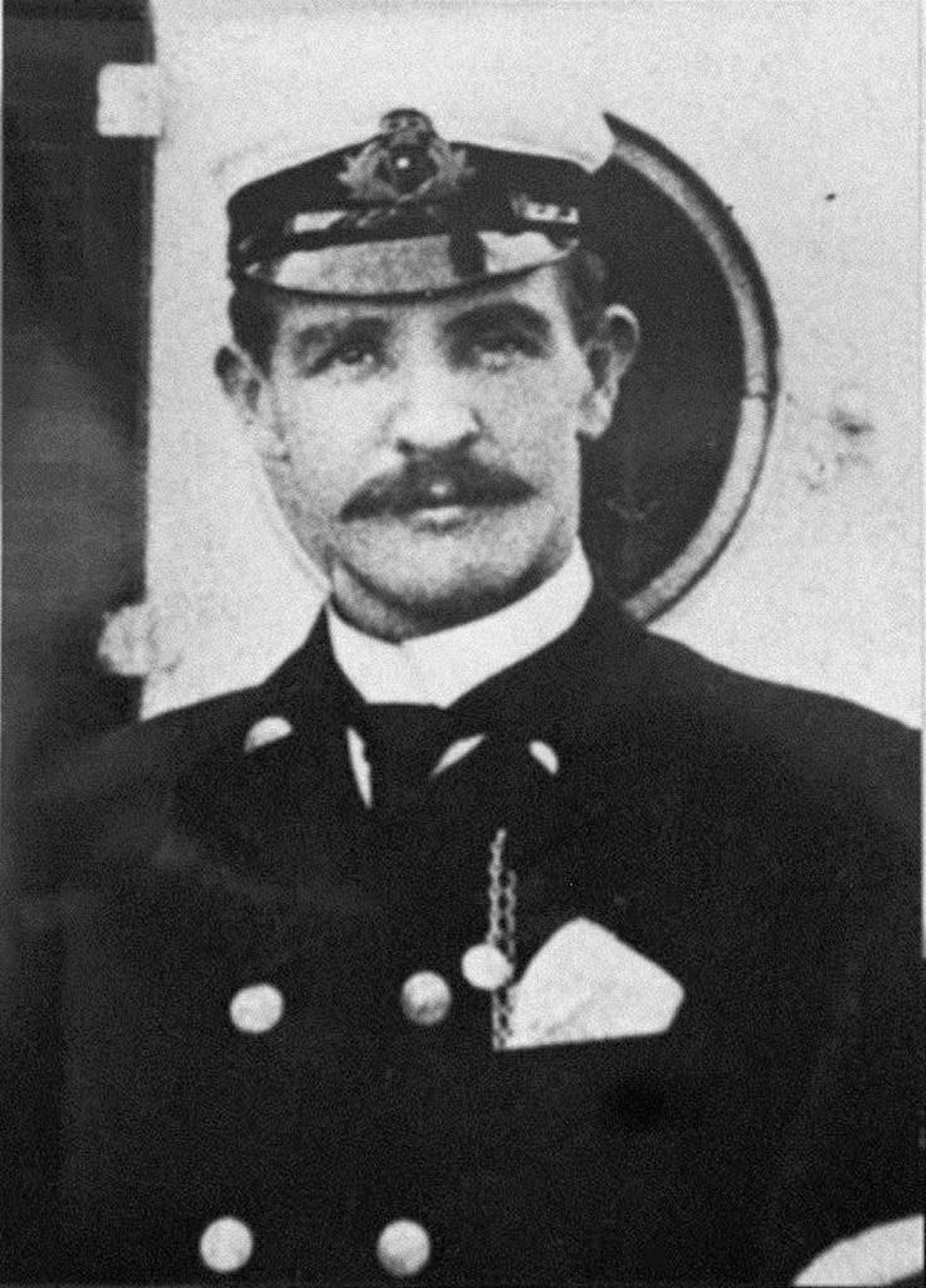
An undated photo of Titanic First Officer William McMaster Murdoch, who is treated as a local hero in his native town of Dalbeattie, Scotland, but was portrayed as a coward and a murderer in the multi-Oscar winning movie, Titanic. At a ceremony on the 86th anniversary of the ship's sinking, Scott Neeson, the executive vice-president of the film's makers 20th Century Fox, presented a check for five thousand pounds ($8,000 US dollars) to the Dalbeattie school as an apology to the bridge officer's relatives. (Associated Press)
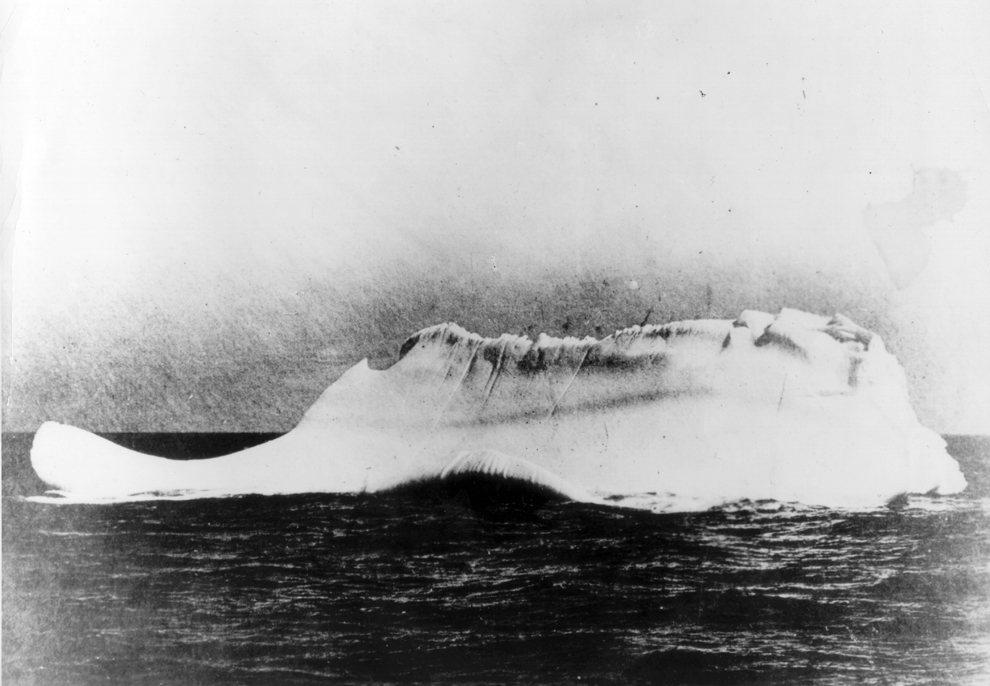
This is believed to be the iceberg that sank the Titanic on April 14-15, 1912. The photograph was taken from the deck of the Western Union Cable Ship, Mackay Bennett, commanded by Captain DeCarteret. The Mackay Bennett was one of the first ships to reach the scene of the Titanic disaster. According to Captain DeCarteret, this was the only berg at the scene of the sinking when he arrived. It was assumed, therefore, that it was responsible for the sea tragedy. The glancing collision with the iceberg caused Titanic's hull plates to buckle inward in a number of locations on her starboard side and opened five of her sixteen watertight compartments to the sea. Over the next two and a half hours, the ship gradually filled with water and sank. (United States Coast Guard)
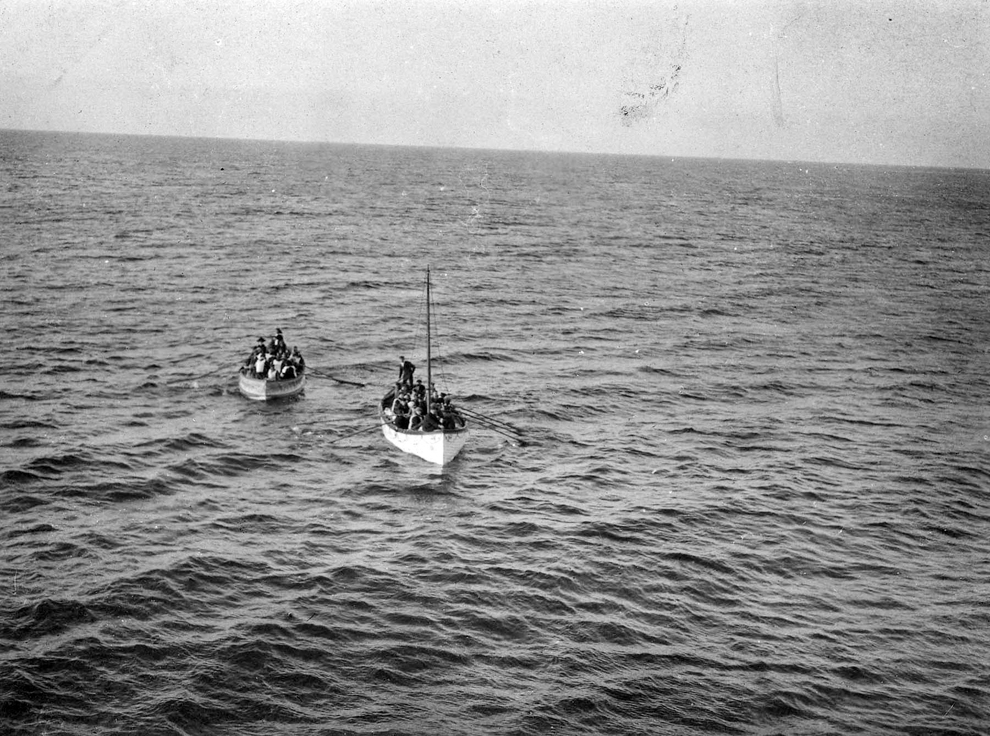
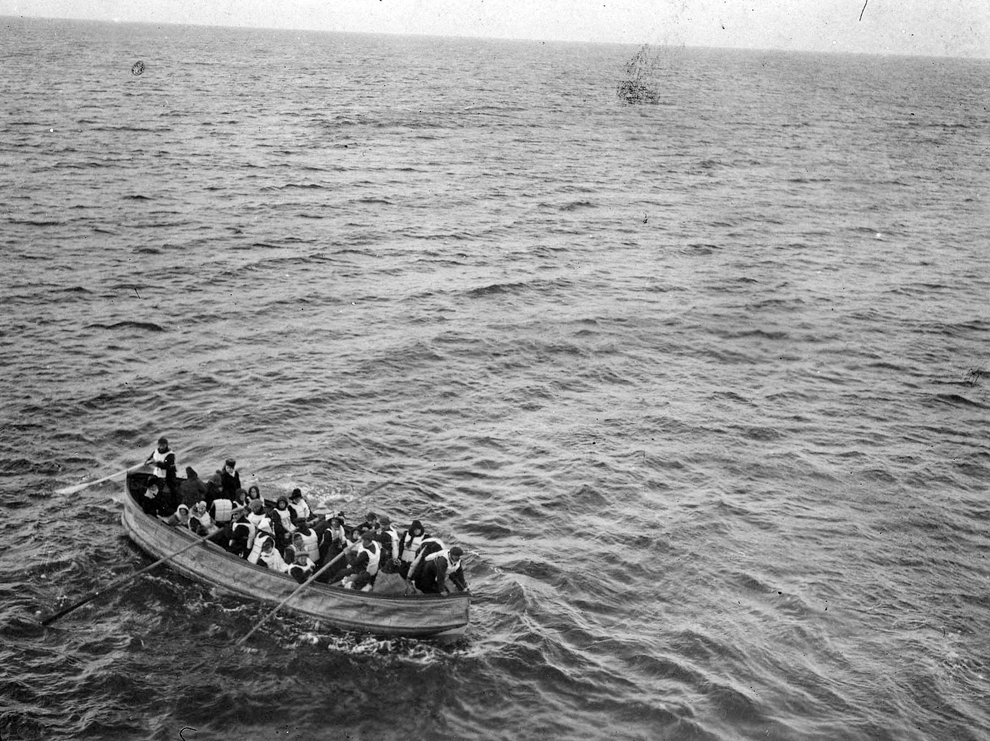
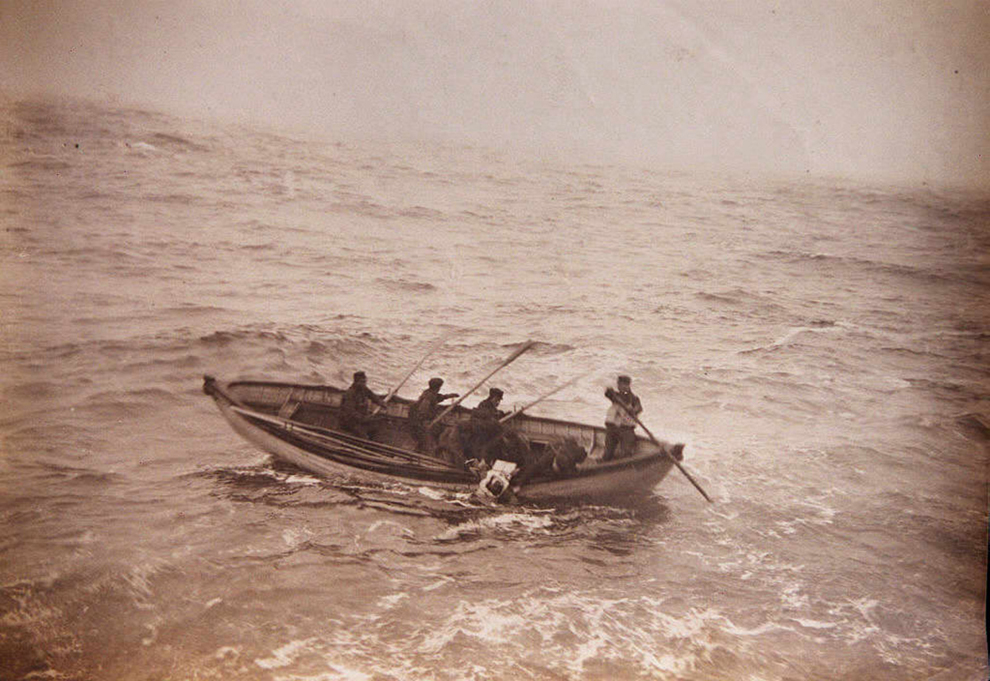
Passengers and some crew members were evacuated in lifeboats, many of which were launched only partly filled. This photograph of Titanic lifeboats approaching the rescue ship Carpathia, was taken by Carpathia passenger Louis M. Ogden and was on display during a 2003 exhibition of images related to the Titanic disaster (bequeathed to the National Maritime Museum in Greenwich, England, by Walter Lord). (National Maritime Museum/London)



 ]
]