
Instale a aplicação
Como instalar a aplicação no iOS
Acompanhe o vídeo abaixo para ver como instalar o nosso website como uma aplicação web no seu ecrã inicial.
Nota: Esta funcionalidade pode não estar disponível em alguns navegadores.
Está a usar um navegador desatualizado. Pode não apresentar este ou outros sites corretamente.
Deve atualizar ou utilizar um browser alternativo.
Deve atualizar ou utilizar um browser alternativo.
Tesla Cybertruck
- Iniciador de tópicos MaxVerstappen
- Data de início


JRodrigues
Well-known member
Opinião de Peter Stevens:
So much has been written about the Tesla Cyber Truck by both critics and disciples of Elon Musk. The advantage of designing a pick-up truck in the US is that very few of the legislative regulations for cars apply to trucks. Something weighing just short of 3.5 tonnes does not need to be crash tested or have pedestrian safety as a consideration. With an interior that looks to be straight out of a late 70s low cost American sedan, aerodynamics copied from a house brick, and the looks of a folded card model cut out of the back of a cornflakes box by a ten year old kid, there is little to like about this latest Tesla irrelevance. Surprisingly Tesla’s chief designer, Franz von Holzhausen was the one who hit the stainless steel body with a sledgehammer (should we read anything into this?), threw steel balls at the windows and broke them. Tesla say that the shape comes from the unyielding nature of the body material – most peoples kitchens are filled with pressed stainless cooking pots, no problem with curved surfaces there! They also say that up to 45 extra miles of range is available from the solar panel which covers the load space. A 17 square foot (or 1.6 square meters) solar panel, in ideal circumstances, produces around 260 watts; that’s three light bulbs. The Cyber Truck cargo cover is probably about 6 foot x 6 foot, 36 square foot – 500 watts. The truck is said to have a range of 250 miles from a 125kWh battery so you might just about get an extra mile. It’s like a mathematician friend says, “tell me the result you want to see and I’ll show you how to do the maths to prove it”, why are Tesla always so ready to make this stuff up.
What concerns me is that young design students might be swept up in the Tesla hype and think that this is the new design direction that they have all been hoping for, and apply this crude form language to every new project. There is a very big difference between ‘simple design’ and ‘simplistic design’, this is an unsophisticated version of the second. There is no passion in the design, only a desire to be controversial, in a way that can look like Tesla are mocking the viewer; arrogant and short lived superficiality.
Opinião de Peter Stevens:
É melhor começar a trazer as pipocas para assistir ao filme da introdução da Cybertruck no mercado europeu [
 ]
]Tanta caução a ser recuperada, maldita bazófia no dia do espetáculo de luzes da apresentação [
 ]
]Já há dados sobre Crash tests do CT?
Aquelas arestas devem ser um mimo para os peões!
E aqueles painéis de chapa de inox devem ter um comportamento excepcional na deformação/absorção de energia.
A Cybertruck que conhecemos continua a ser um protótipo. Só existe o exemplar que foi apresentado.
Agora sim, vão desenvolvê-la. Vamos ver o que sobra do design original no modelo de produção, sobretudo na frente, para cumprir os regulamentos de segurança.
Estou particularmente curioso para ver como isso corre, para saber se homologarão isto para lá dos EUA.
Tendo em conta as suas dimensões gigantes, não faz muito sentido vendê-la na Europa, a não ser como brinquedo de luxo.
O mercado para as típicas pick-up americanas tamanho XXL é mínimo por cá. Se acham que as Ranger, Amarok ou L200 de cabine dupla são grandes, as F-150, Silverado, Ram 1500 e esta Cybertruck são bem maiores.
Opinião de Peter Stevens:
Concordo no geral com a opinião dele.
Também acho que é muito simplista e até crude nalguns pontos. Se fosse um sketch, o que vimos até agora seria o esboço conceptual, o escolhido para desenvolvimento.
No entanto, acho que só deu um tiro ao lado quando se referiu à aerodinâmica.
Já apareceram aí umas simulações em CFD (Computer Fluid Dynamics) que apontam para um coeficiente de penetração aerodinâmico bastante inferior à típica pick-up. Tudo por culpa da sua frente sem aberturas, do seu perfil e respectiva cobertura da caixa.
Por outro lado, o seu perfil é também o motivo de algumas dúvidas aerodinâmicas da minha parte.
O Cx pode se revelar muito bom, mas acho que pode levantar problemas.
Se vivêssemos num mundo "low-poly" como parece aquele do qual saiu a Cybertruck, o perfil desta é, essencialmente, o de uma de asa de avião.
Ou seja, excelente para criar lift ou sustentação positiva — algo nada desejável num veículo de quatro rodas.
Há formas de contornar esse problema, seja pela modelação da parte de baixo do veículo, ou o adicionar de spoilers.

Oliveiraz33
New member
A Cybertruck que conhecemos continua a ser um protótipo. Só existe o exemplar que foi apresentado.
Agora sim, vão desenvolvê-la. Vamos ver o que sobra do design original no modelo de produção, sobretudo na frente, para cumprir os regulamentos de segurança.
Exatamente, faz-me confusão a quantidade de pessoas que acha que o que o foi mostrado da apresentação é o aspeto do veículo final do veículo. Ainda vai ter de sofrer inúmeras alterações para cumprir todos os regulamentos.

ZylmhuinVII
New member
Exatamente, faz-me confusão a quantidade de pessoas que acha que o que o foi mostrado da apresentação é o aspeto do veículo final do veículo. Ainda vai ter de sofrer inúmeras alterações para cumprir todos os regulamentos.
Vão transformar isto:
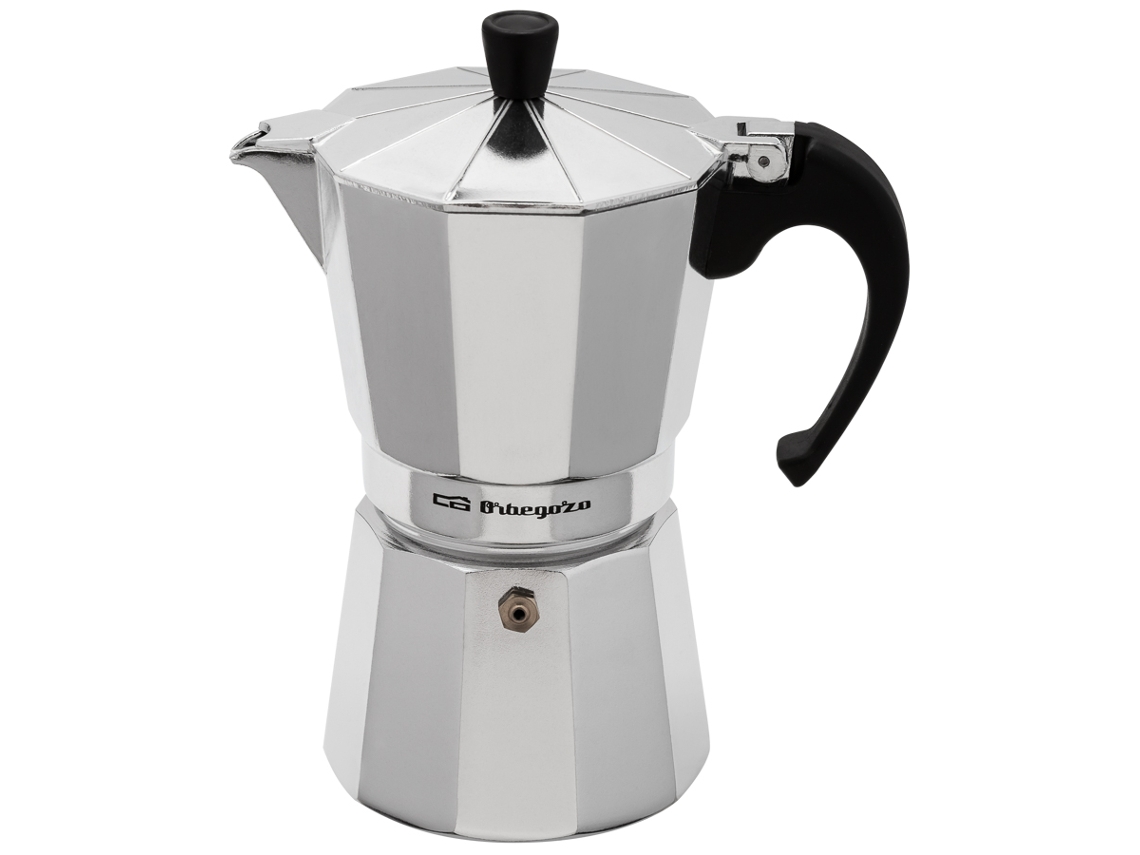
Nisto:


topspeedPT
Well-known member
[
 ]
]
1975
Well-known member


brunomeleiro
New member
O Elon refere expressamente que quando a Tesla faz a apresentação de um carro, já é o desenho final.
Ele refere igualmente que o tamanho poderá sofrer uma redução no geral e pela sua globalidade em cerca de 5%.
O Musk às vezes vive no mundo da lua, se não poder comercializar o produto em determinado mercado por determinadas características o que vai fazer: altera ou não vende? [
 ]
]
ImHoTep
New member
O Musk às vezes vive no mundo da lua, se não poder comercializar o produto em determinado mercado por determinadas características o que vai fazer: altera ou não vende? [
No caso da Cybetruck não vende, a pick up é demasiado grande para a europa, ele já disse que não vai existir uma versão mais pequena, poderá é desenhar outro modelo que se adapte á europa.

sempreabrir
Well-known member
Exatamente, faz-me confusão a quantidade de pessoas que acha que o que o foi mostrado da apresentação é o aspeto do veículo final do veículo. Ainda vai ter de sofrer inúmeras alterações para cumprir todos os regulamentos.
Exacto.
Ainda há muitas arestas por limar.[
]
topspeedPT
Well-known member

MaxVerstappen
New member
MaxVerstappen
New member


A4B5
Well-known member
"Chicken handles" ?
https://www.quora.com/What-are-the-...Do-they-have-a-necessary-or-intended-function
[ ]
]
https://www.quora.com/What-are-the-...Do-they-have-a-necessary-or-intended-function
[
]