
MisterPolo
New member
Looks like [ ]
]
] ]
]


 ] felizmente ninguém morreu

História da Audi RS - especial fotos
With Audi’s RS division celebrating its 20th anniversary next year, we take a look back at the German manufacturer’s halo range of performance cars.
The RS sub-brand continues to thrive for Audi, and rightly so
Audi’s RS brand has been deeply rooted into the hearts of petrolheads for some time now, having solidified its reputation as equal company for the likes of BMW’s M and Mercedes-Benz’s AMGdivisions. But where did it all begin?
After the success of Audi’s S2 coupe and the original ‘C4’-derived S4 saloon from 1991, the German carmaker decided to push the envelope further, when in 1994, Audi’s high performance Quattro GmbH division spawned a new halo performance sub-brand called RS – standing for RennSport, literally translating to ‘racing sport’.
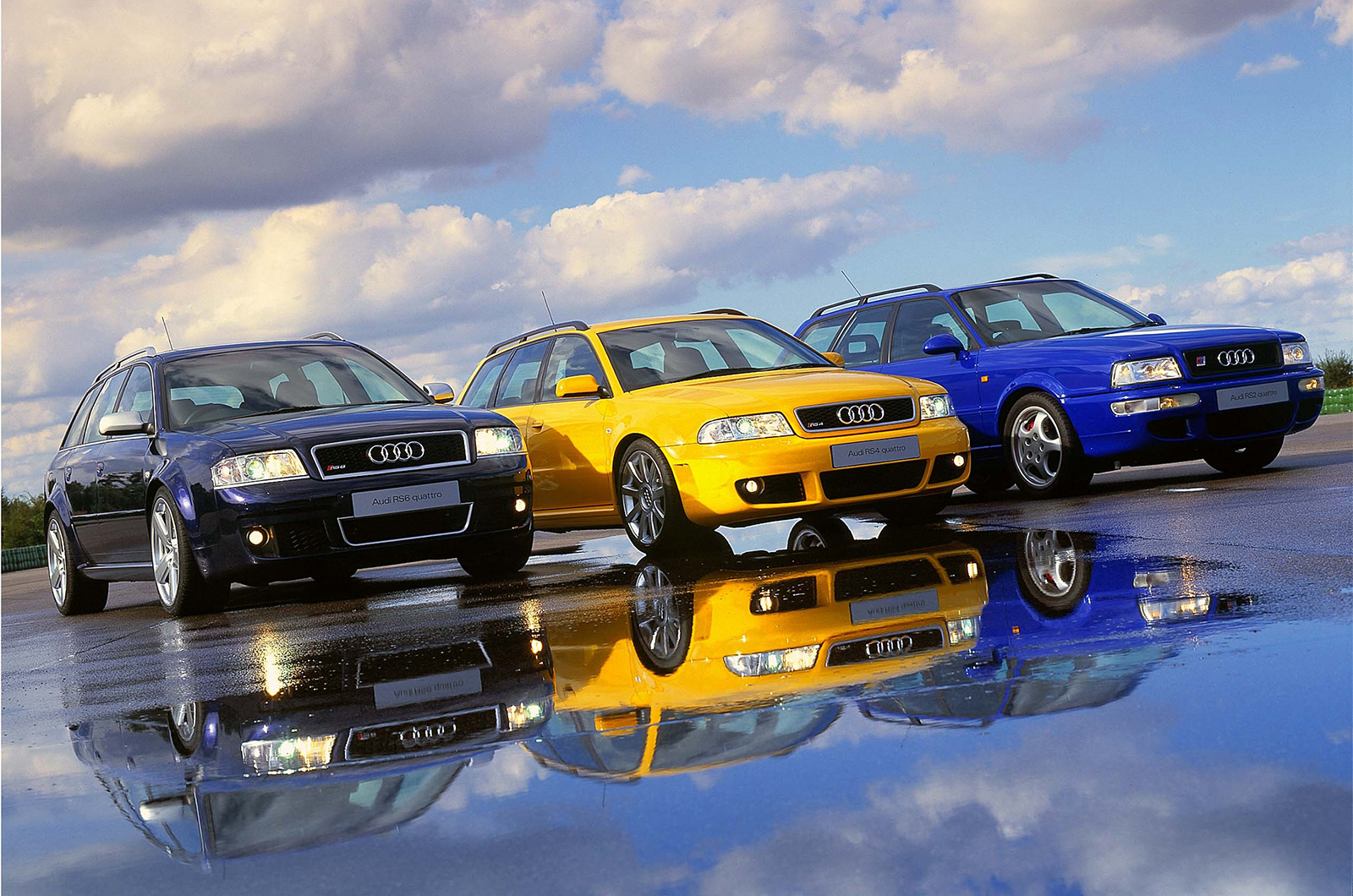
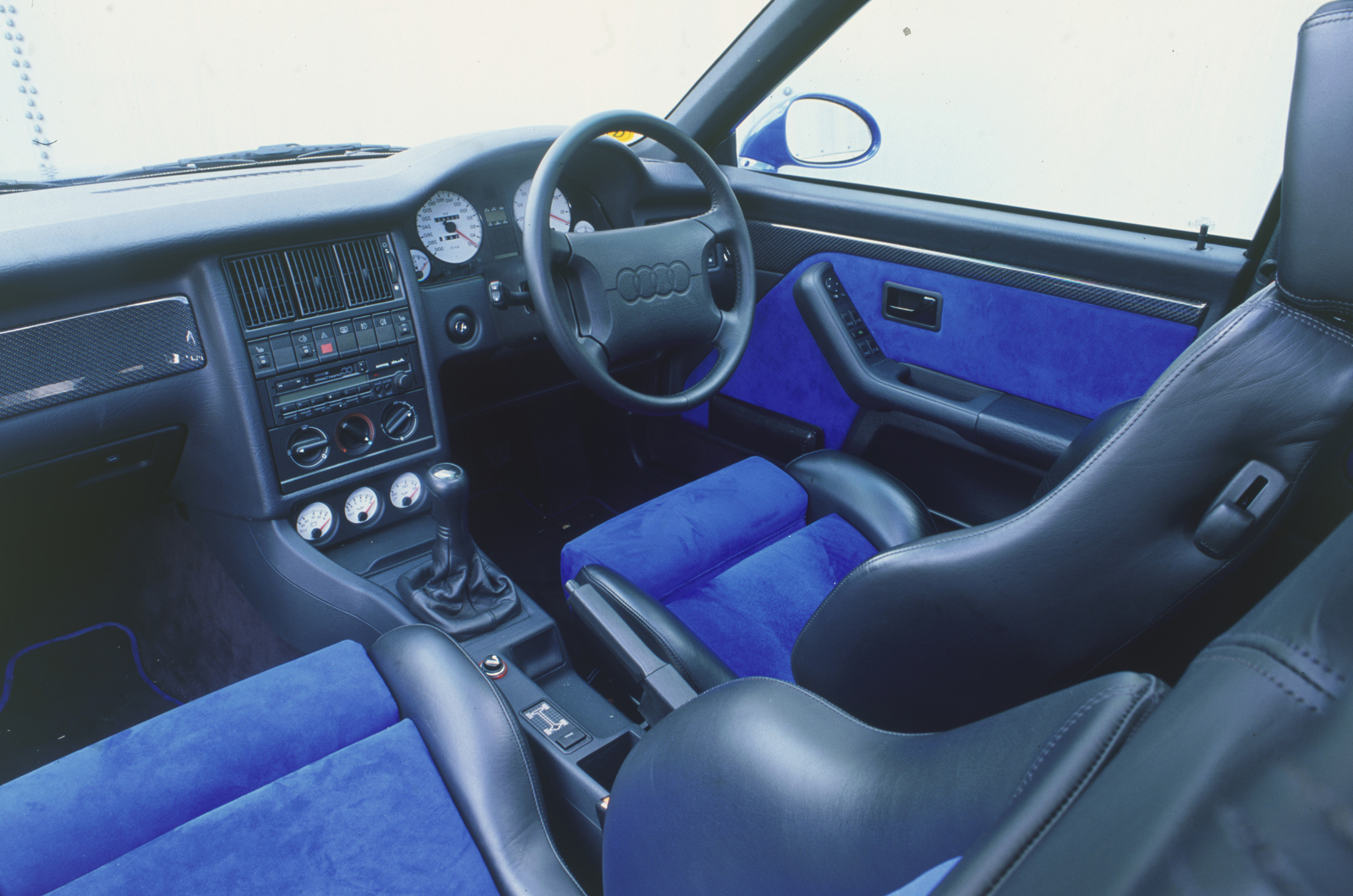
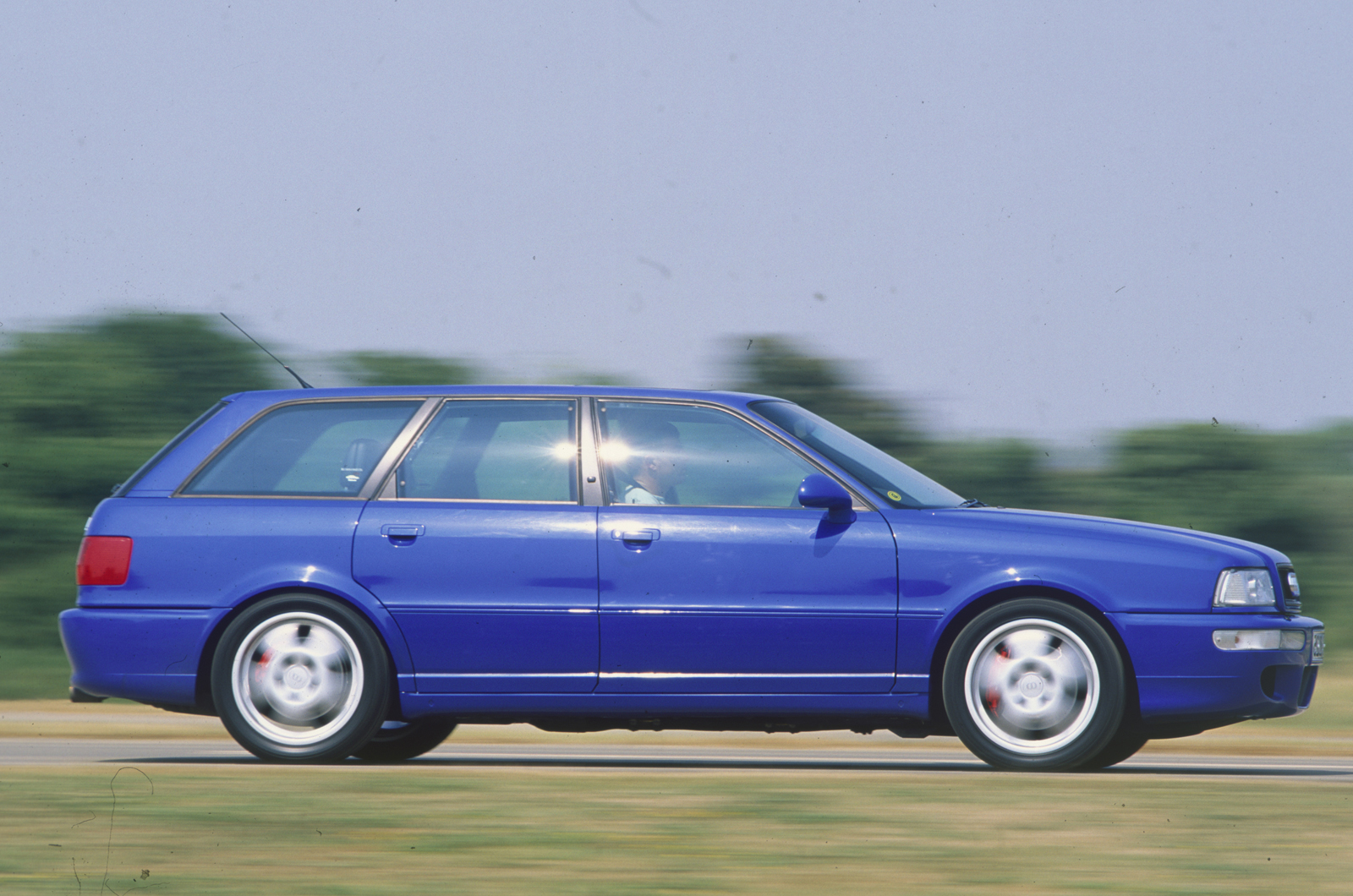
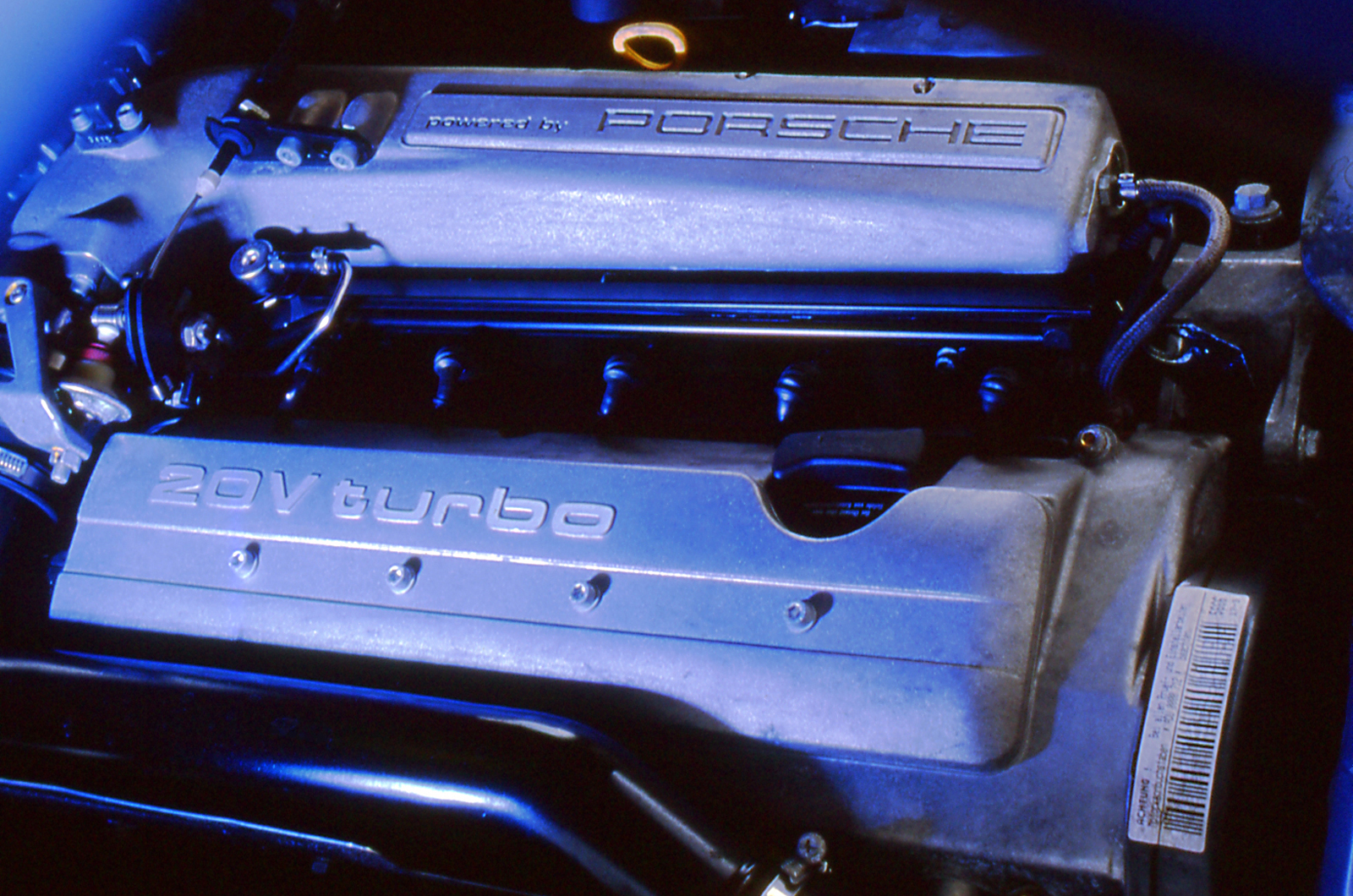
Later that year, Quattro GmbH gave birth to the first two-lettered badge Audi in the form of the RS2 Avant. A brawny variation of the Audi 80 ‘B4’ model, the RS2 Avant (only available in estate form) was co-developed with Porsche; adopting the 993-generation 911’s wheels, fog lights and exterior mirrors and Porsche-designed brakes and suspension.
A highly potent car in its day, the RS2 Avant was powered by a 2.2-litre five cylinder 20-valve turbocharged engine, producing 311bhp and hooked up to a six-speed manual, shooting the car from 0-62mph in 5.4sec and on to a top speed of 163mph. The first RS-badged Audi proved a trendsetter in its day, with room for five adults, luggage and the ability to keep pace with the likes of the Honda NSX and Porsche 993 Carrera.
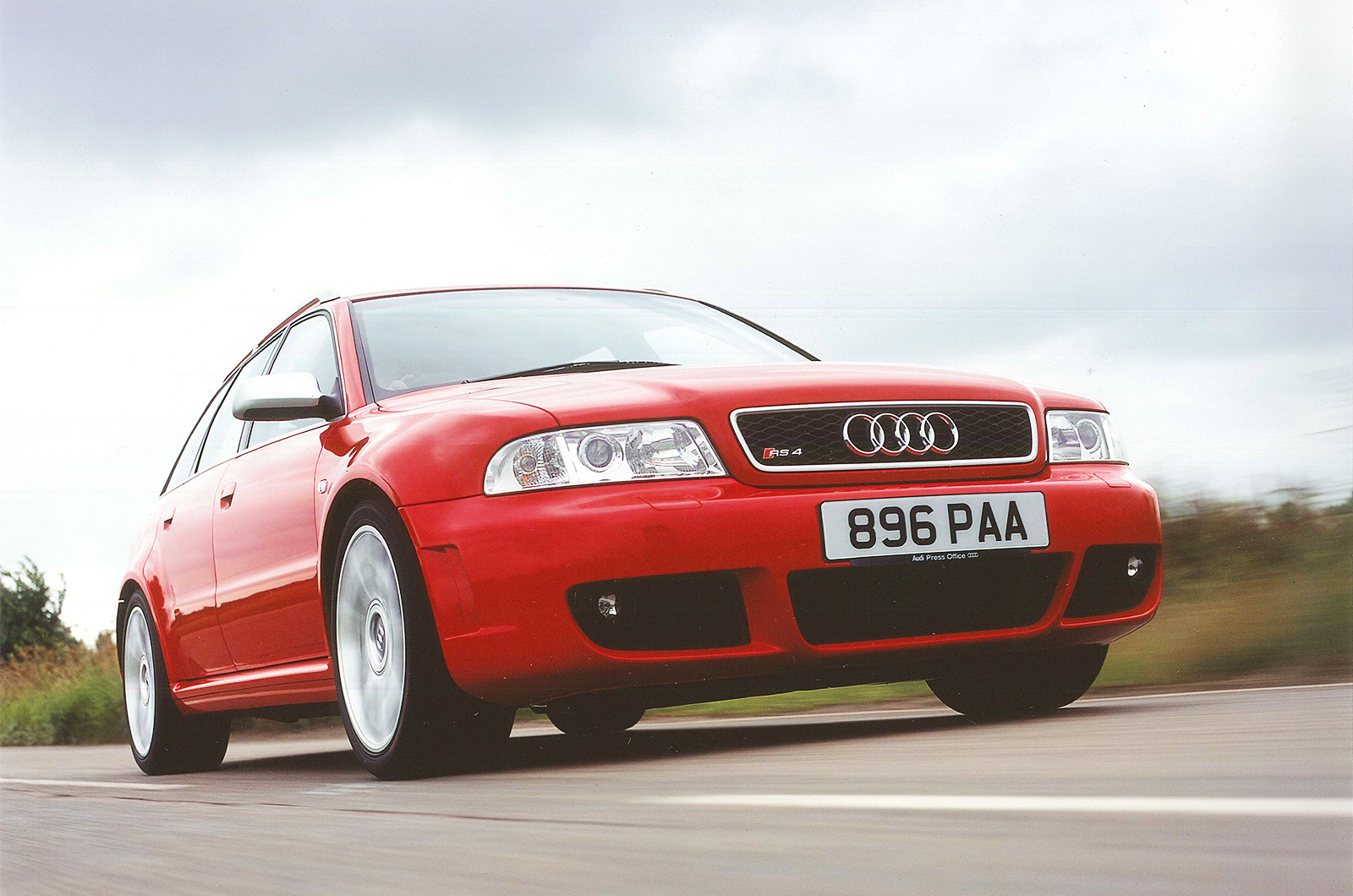
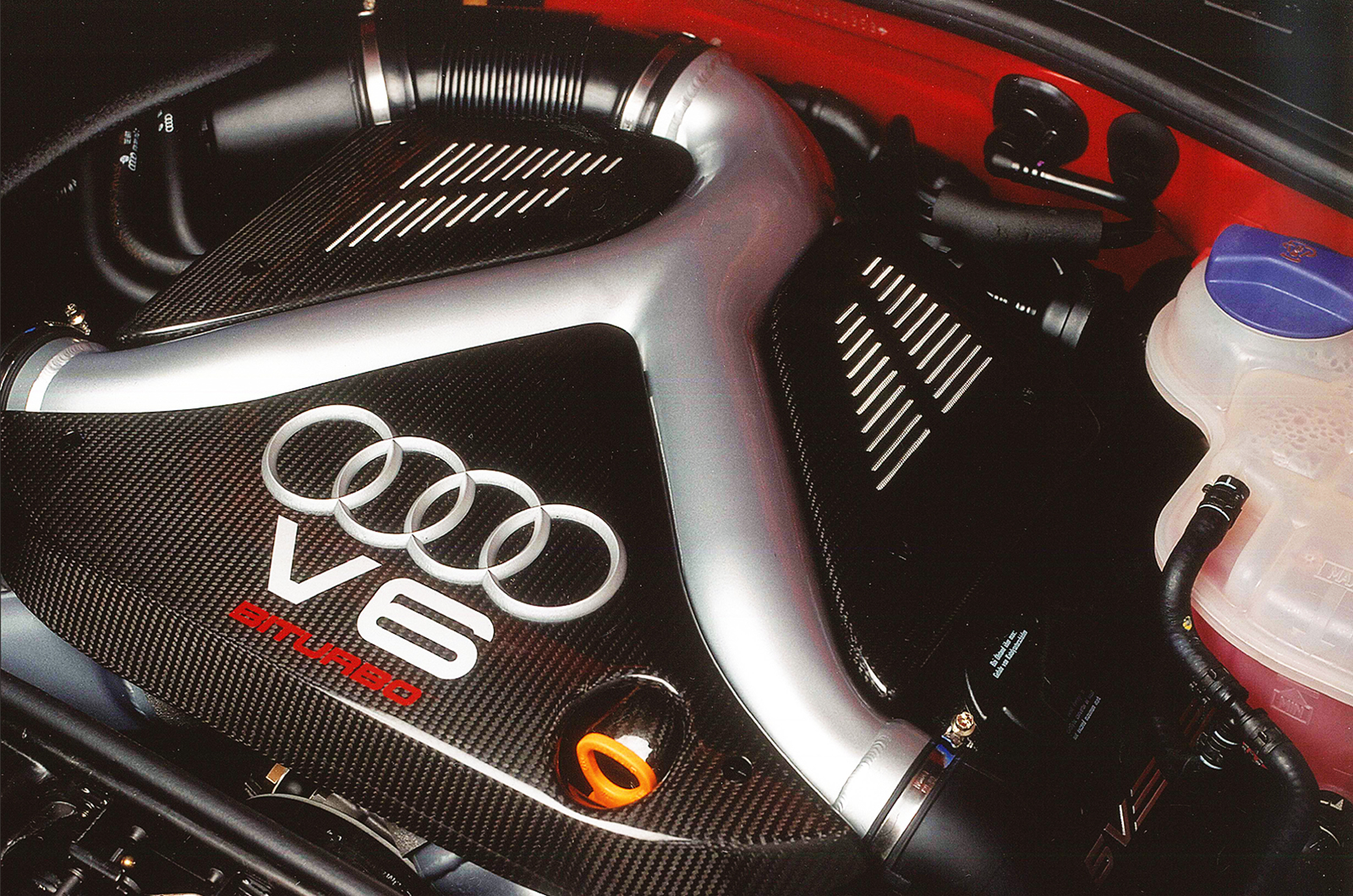
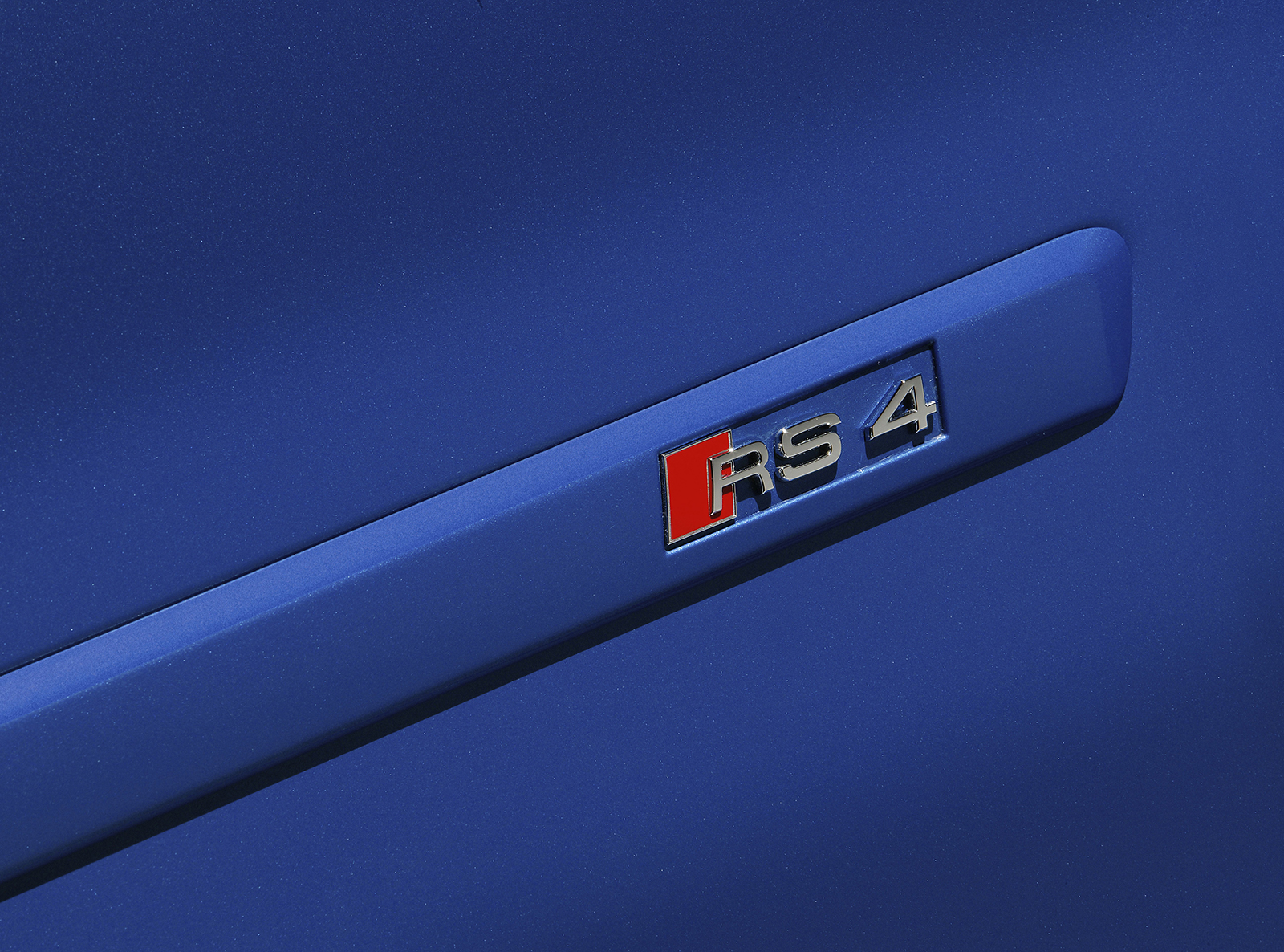
Fast-forward six years and a new mid-size platform of the ‘B5’ Audi A4 laid the foundations for the next S and RS derivatives, the halo model becoming the RS4 Avant – again only in estate form. The B5 RS4 Avant came propelled with a Cosworth-fettled 2.7-litre V6 twin-turbocharged unit, making 382bhp.
Engine aside, the B5 RS4 was Audi’s own project, having severed its ties with Porsche. The 0-62mph sprint was now dispatched in 4.9sec and the estate would accelerate on to a limited top speed of 155mph. Demand for the B5 RS4 Avant was so high that Audi doubled its production volumes. Production ceased after only a year in 2001, with over 6,000 examples made.
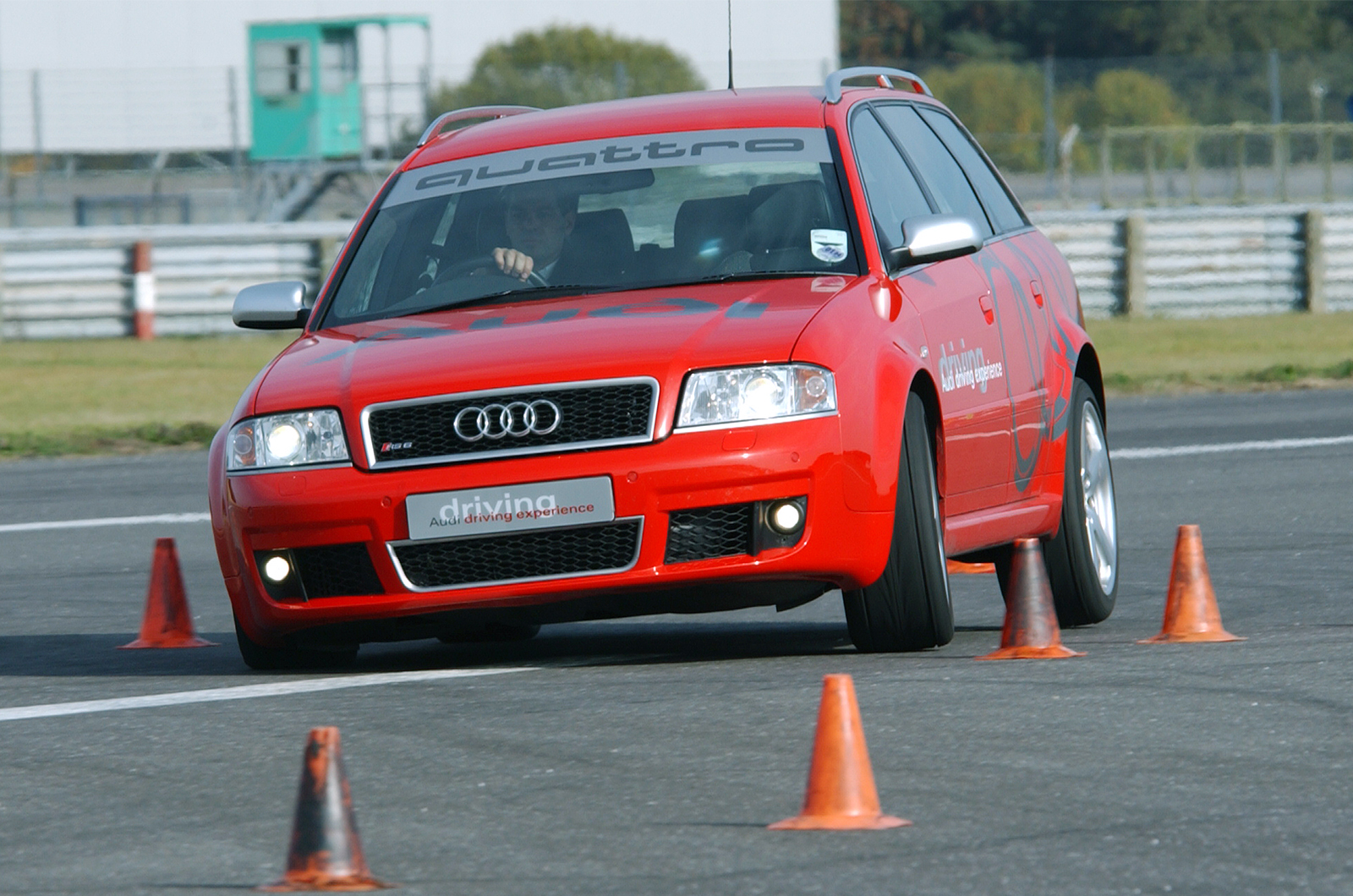
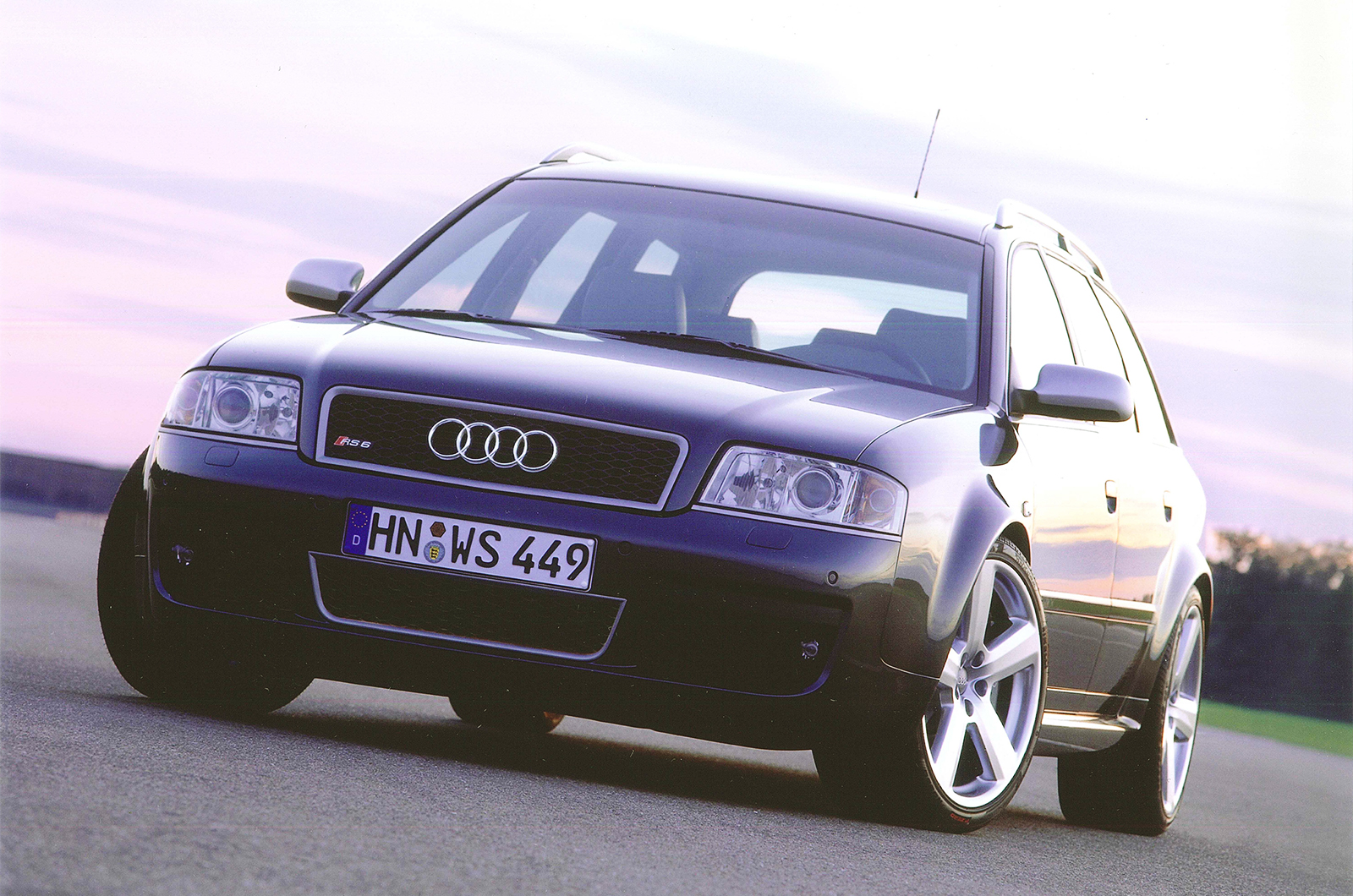
In 2002, Audi unleashed an entirely new model to its RS line-up – the A6-derived RS6 saloon and estate. With a muscular body, aluminium mirror caps and two large oval pipes for the exhaust, both the estate and saloon had an intimidating presence.
Again, Cosworth handled the engine - its 4.2-litre V8 endowed with two turbochargers for good measure, serving up 444bhp. Partnered with Audi’s five-speed tiptronic transmission, it enabled the RS6’s hefty frame to dash from 0-62mph in 4.7sec, while again being reigned in at 155mph. The RS6 plus debuted in 2004, with power increased to 480bhp and speed limited to 174mph. However, the C5 RS6 was plagued by vague steering feel and a heavily-understeering character.
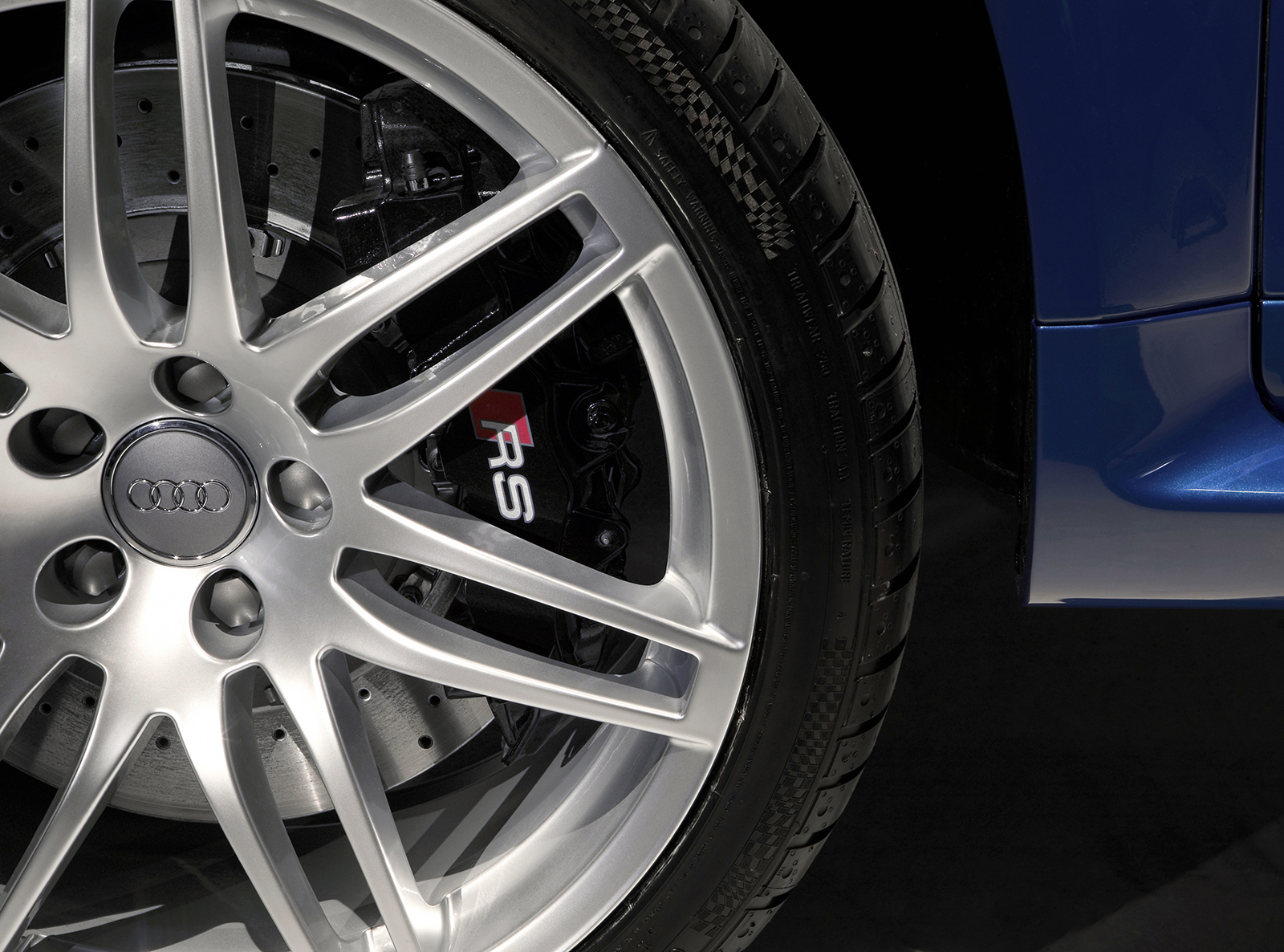
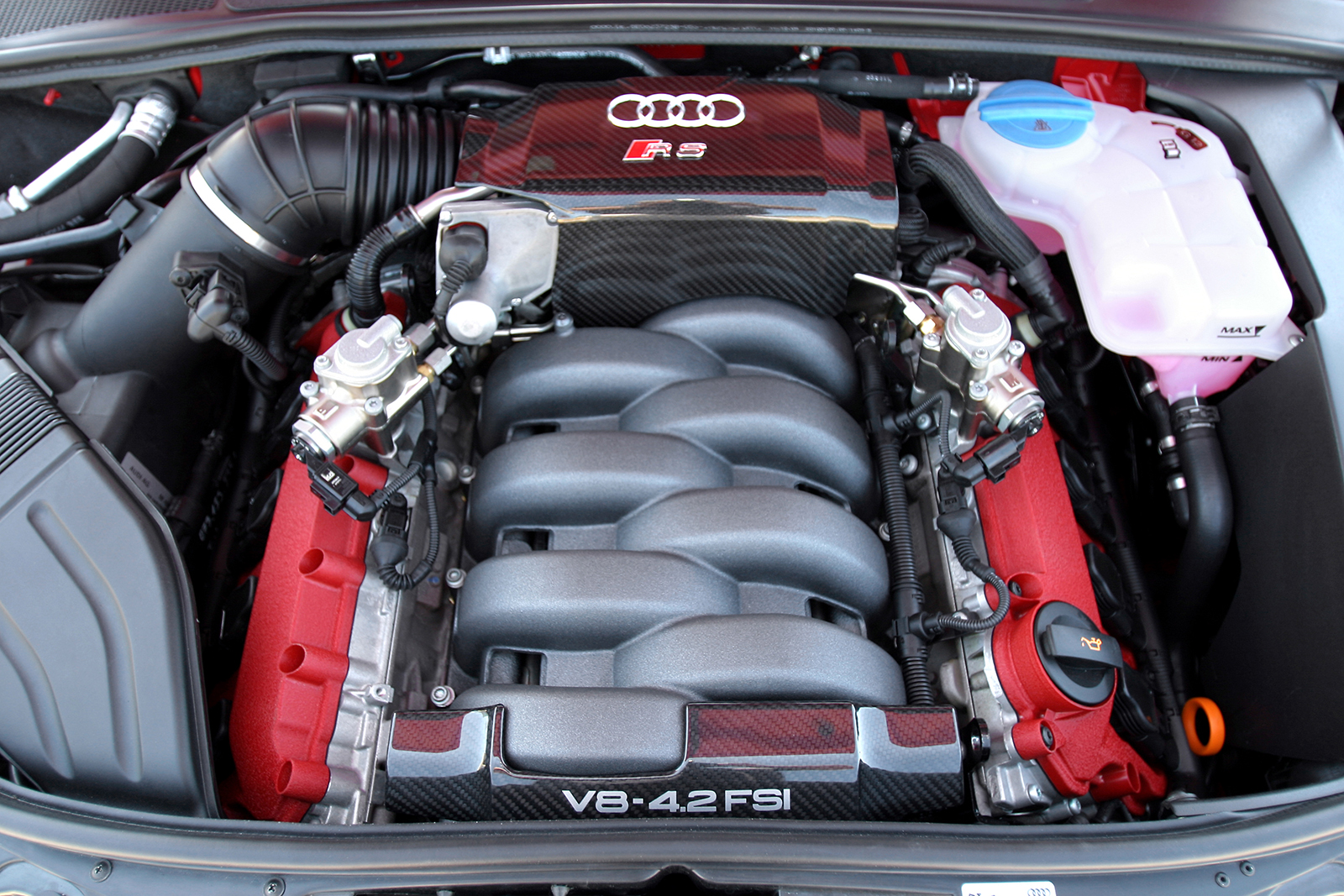
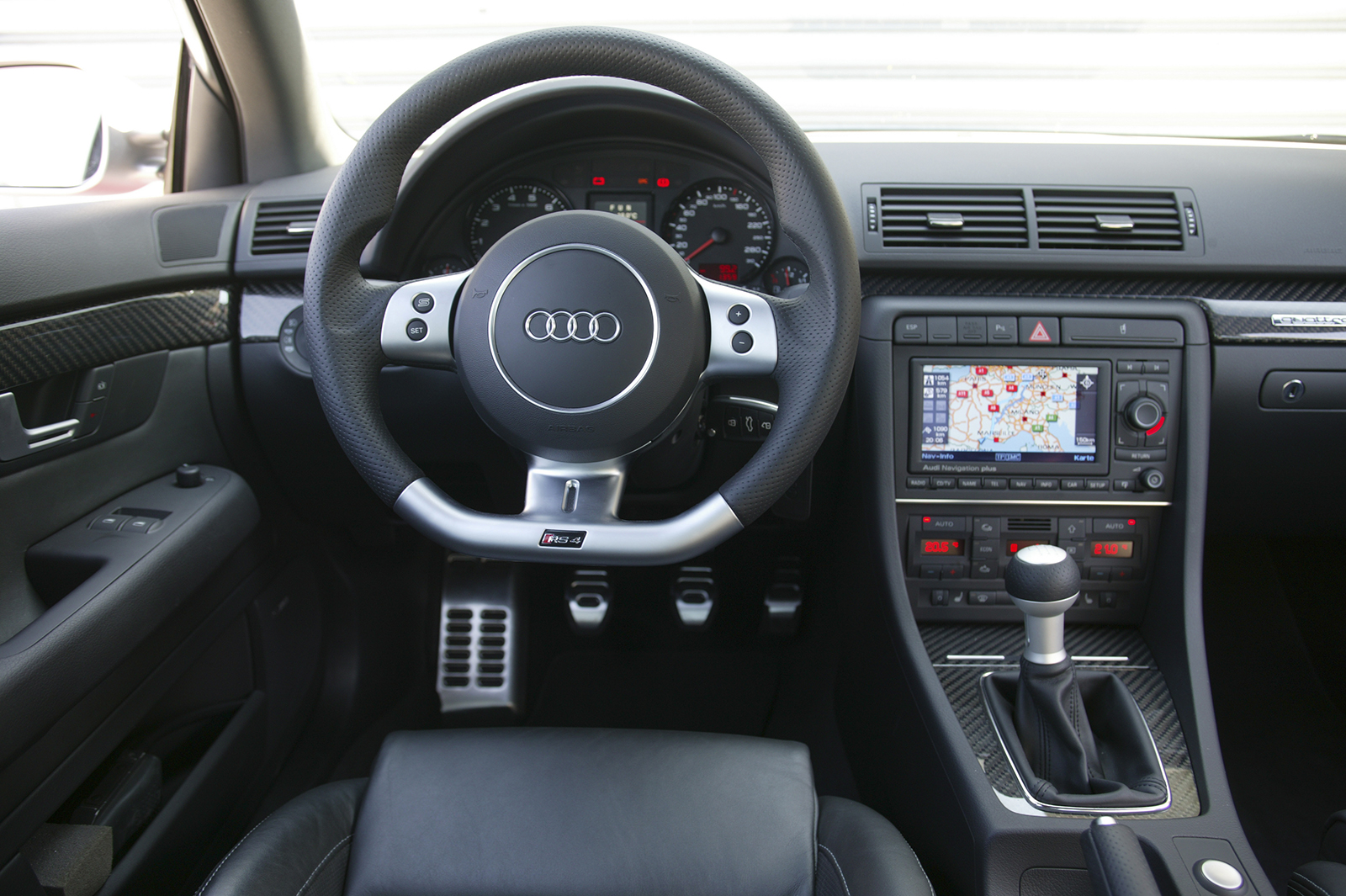
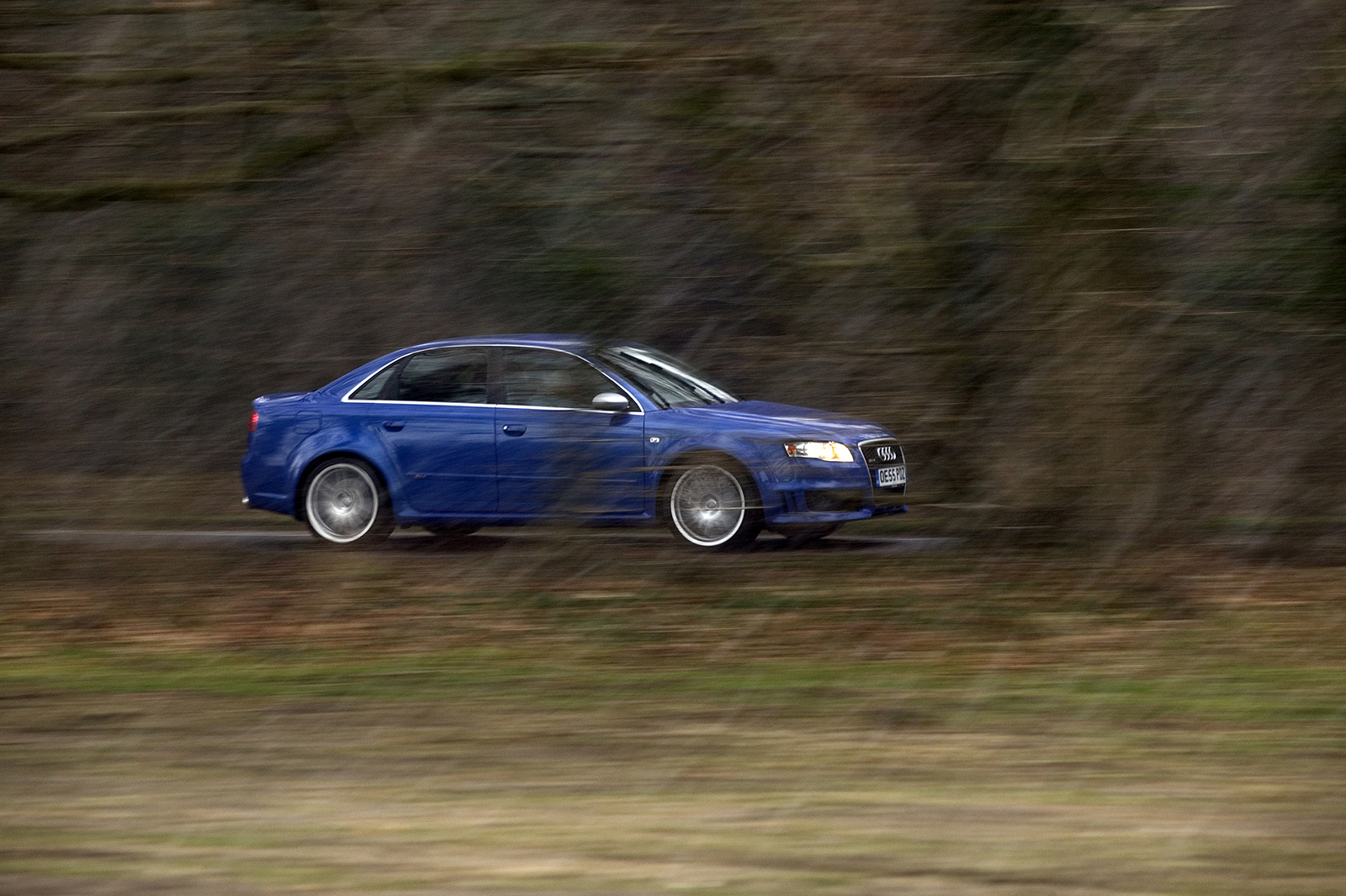
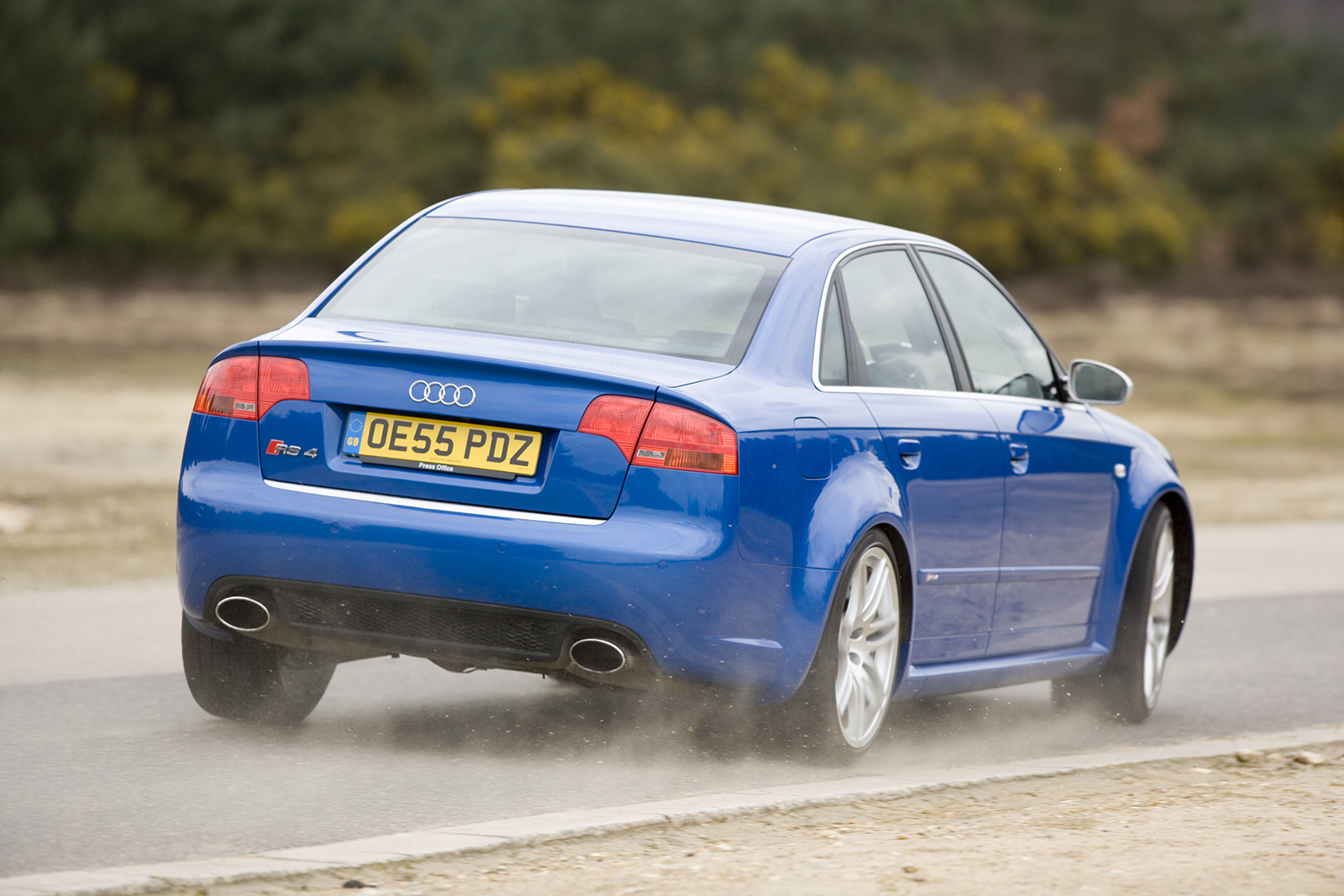
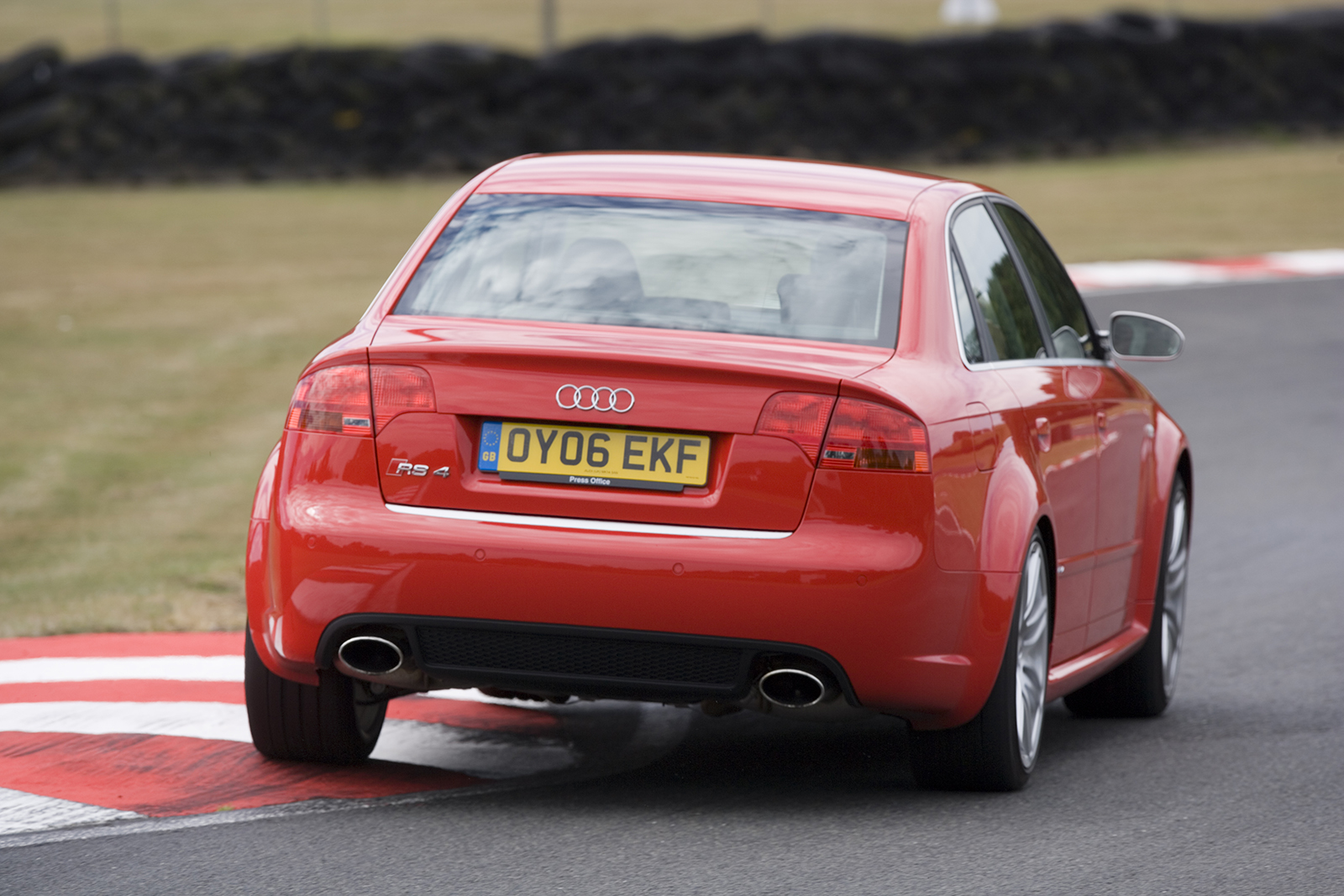
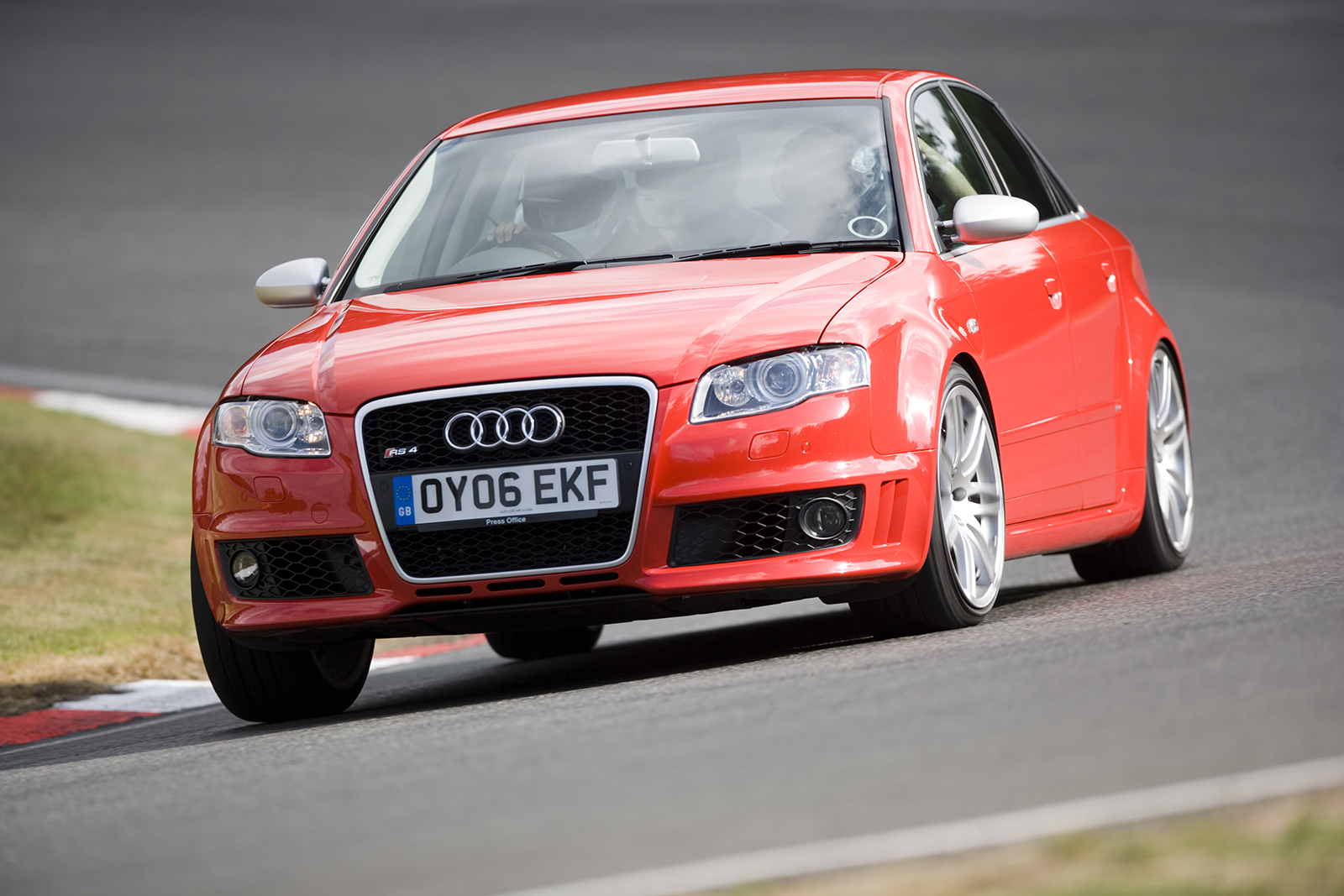
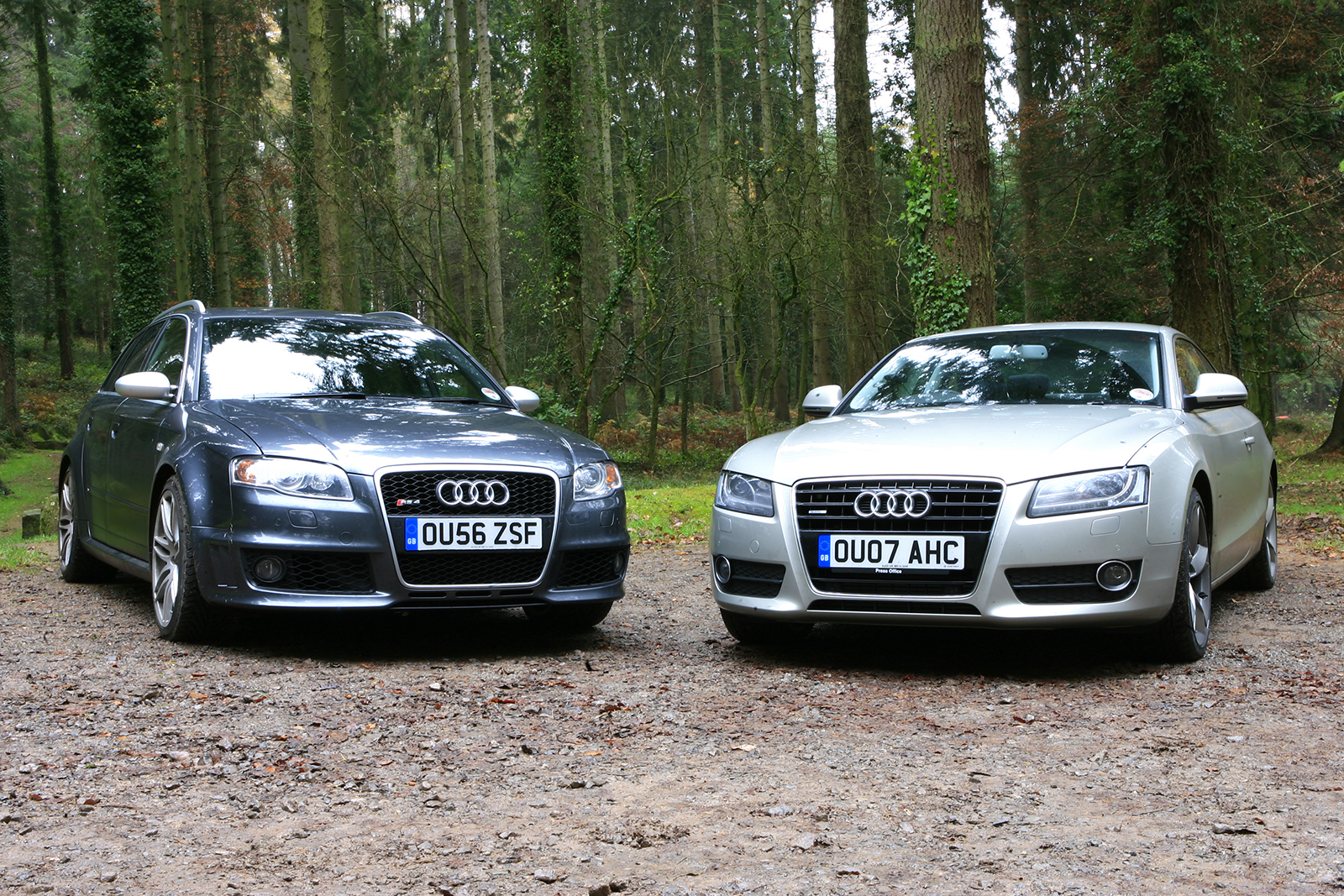
Audi regained form in 2006, when it launched the new RS4 after a long hiatus. Available in saloon, Avant and cabriolet guise, the B7 RS4 variant is still regarded as Quattro GmbH’s ‘sweetspot’ and finest RS model. Drive was supplied by an all-new, high-revving 4.2-litre naturally-aspirated V8, pumping out 414bhp at a heady 7800rpm and mated to a six-speed manual gearbox. Zero to 62mph was taken care of in 4.8sec while (still conforming to the voluntary agreement) being limited to 155mph. De-restricted B7 RS4s were capable of cracking 180mph. After just 18 months Audi brought a premature halt to the B7 production line.
To this day, the beautifully proportioned B7 RS4 is fondly remembered at Autocar for its fluid ride, engaging handling and superb powertrain.
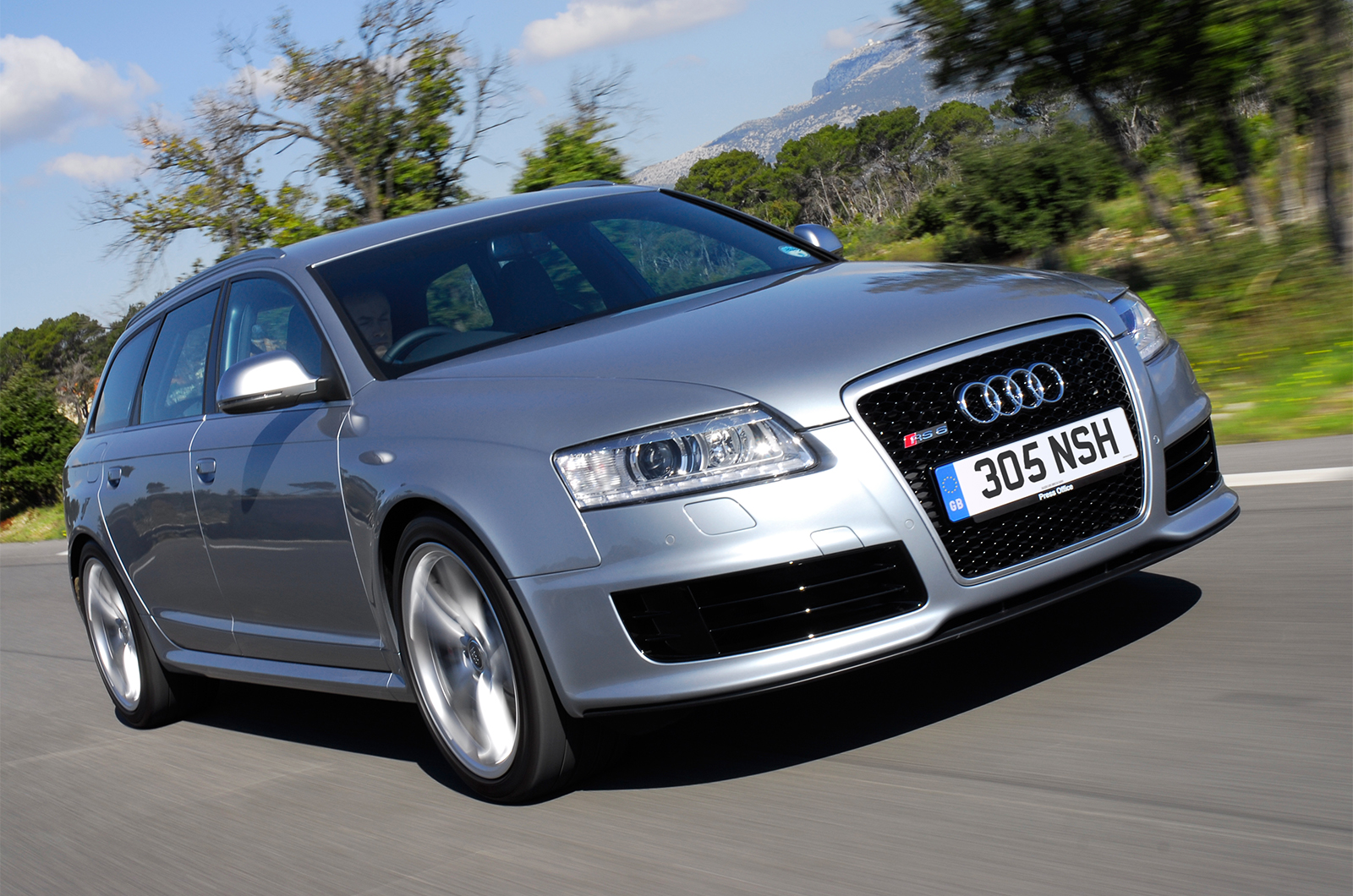
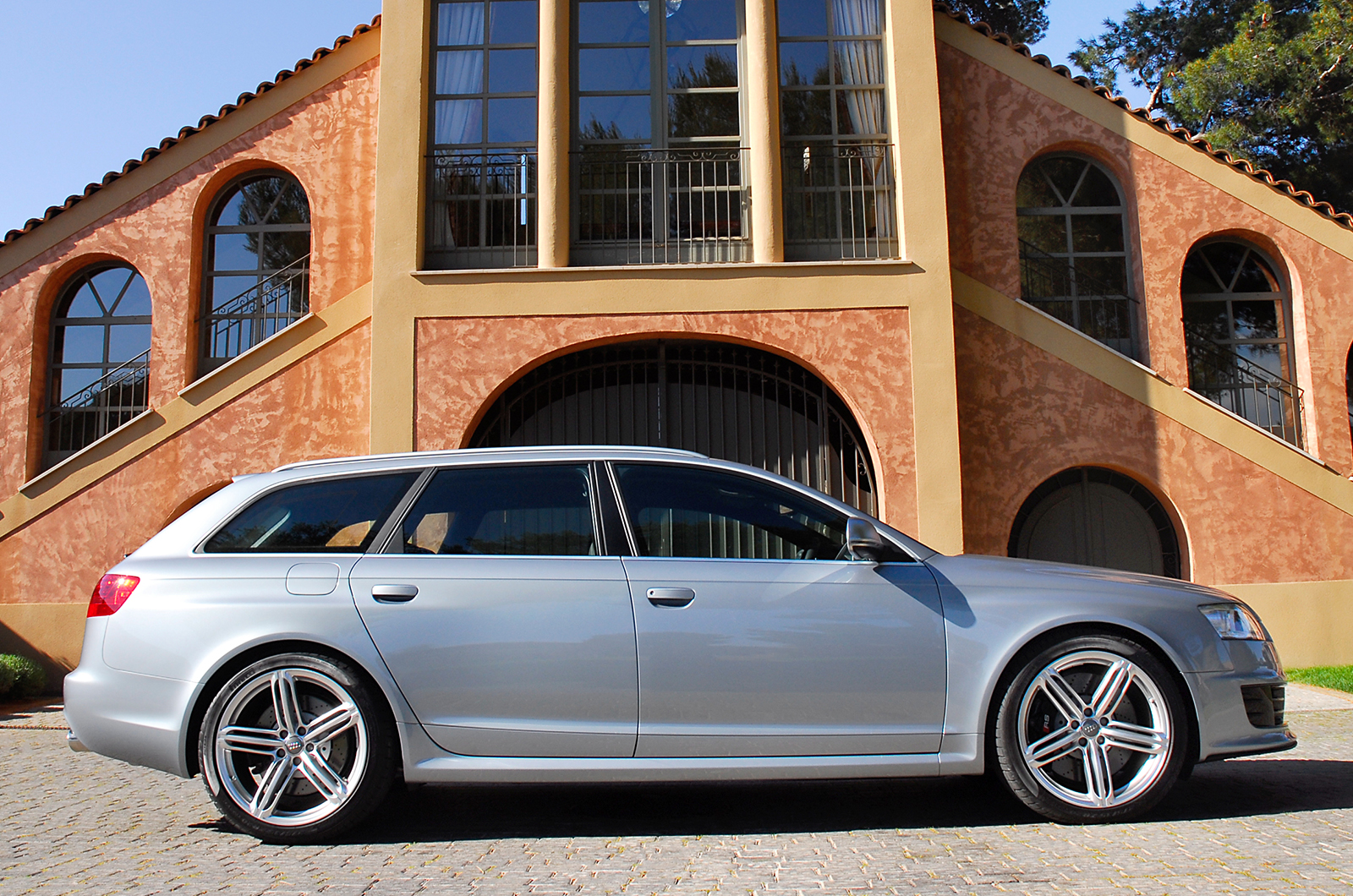
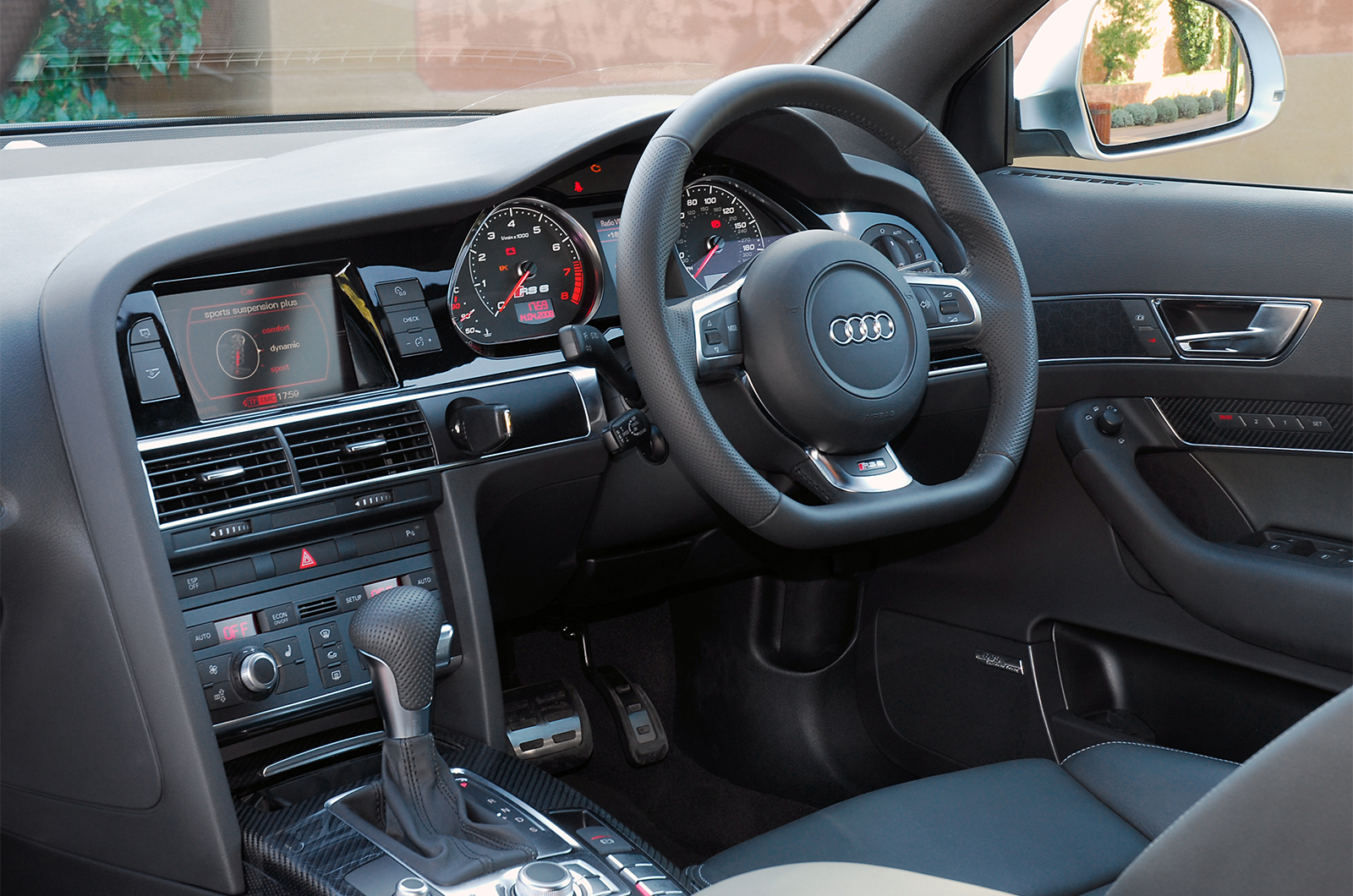
In 2008, the engineers at Neckarsulm went on a power craze, launching the ‘C6’ Audi RS6 with a 572bhp twin-turbocharged 5.0-litre V10, spearheading its BMW M5 and Mercedes E63 AMG rivals in the evident ‘power war’ at that time. Despite a chunky kerb weight of 2025kg the beefy RS6 could still hustle to 62mph in 4.6sec, though even on a combined cycle fuel consumption was poor. Despite possessing very fast acceleration for such a big car, some questioned the integrity of the RS badge – it was refined, almost too civilised and heavier at the front than perhaps was necessary.
The following year and Audi had the Porsche Cayman firmly locked in its crosshairs when it released the TT RS. Possessing a more anabolic appearance and a lower ride height over the standard TT with a large rear spoiler, the TT RS looked a much meaner machine. A 335bhp 2.5-litre five-pot turbocharged engine provided power. In 2012, the TT RS plus was launched, lifting power to 355bhp and removing the top speed limiter, enabling the TT RS plus to hit 174mph. The TT RS was famed for being blindingly quick, unexpectedly economical but with a jarring ride.
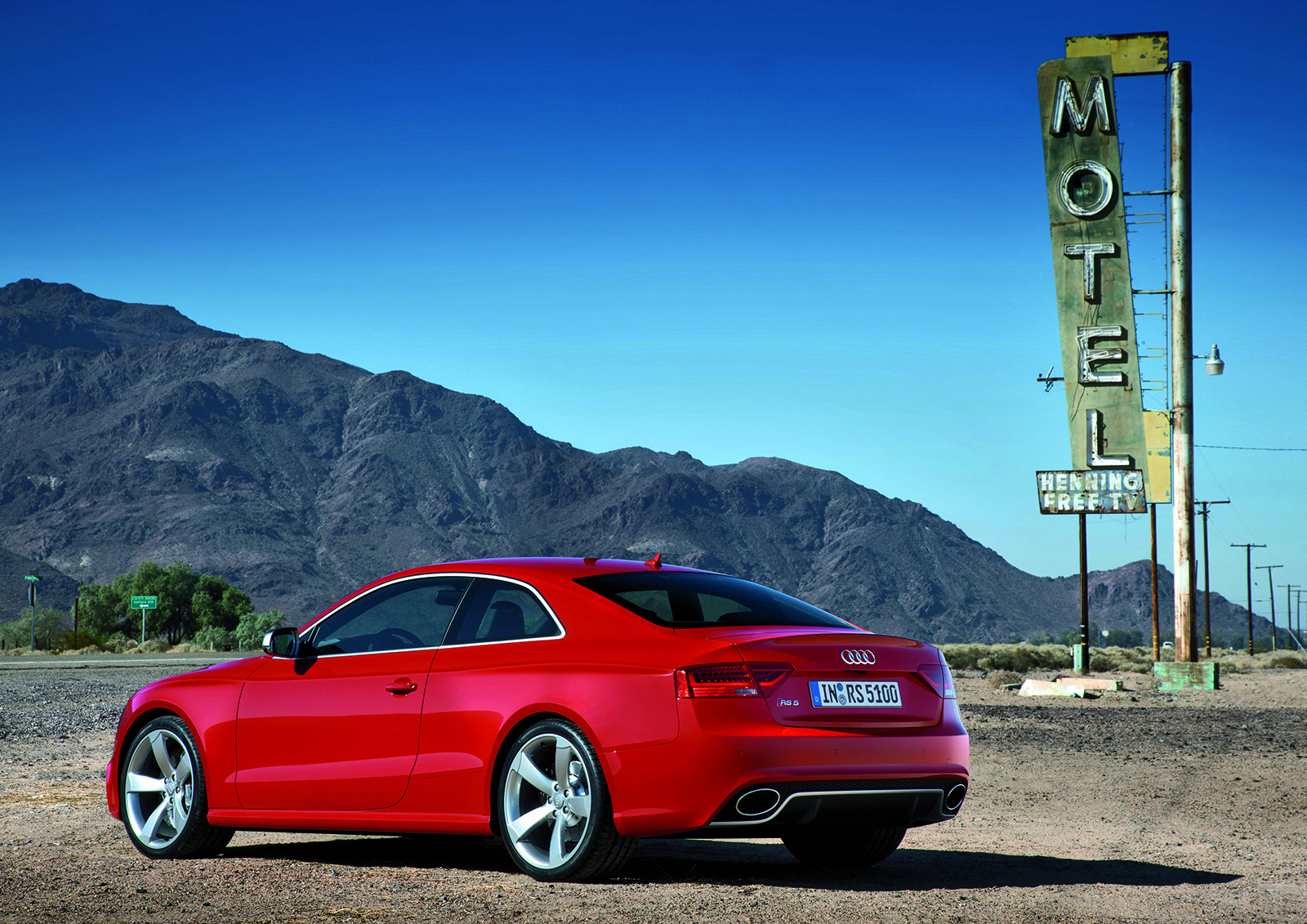
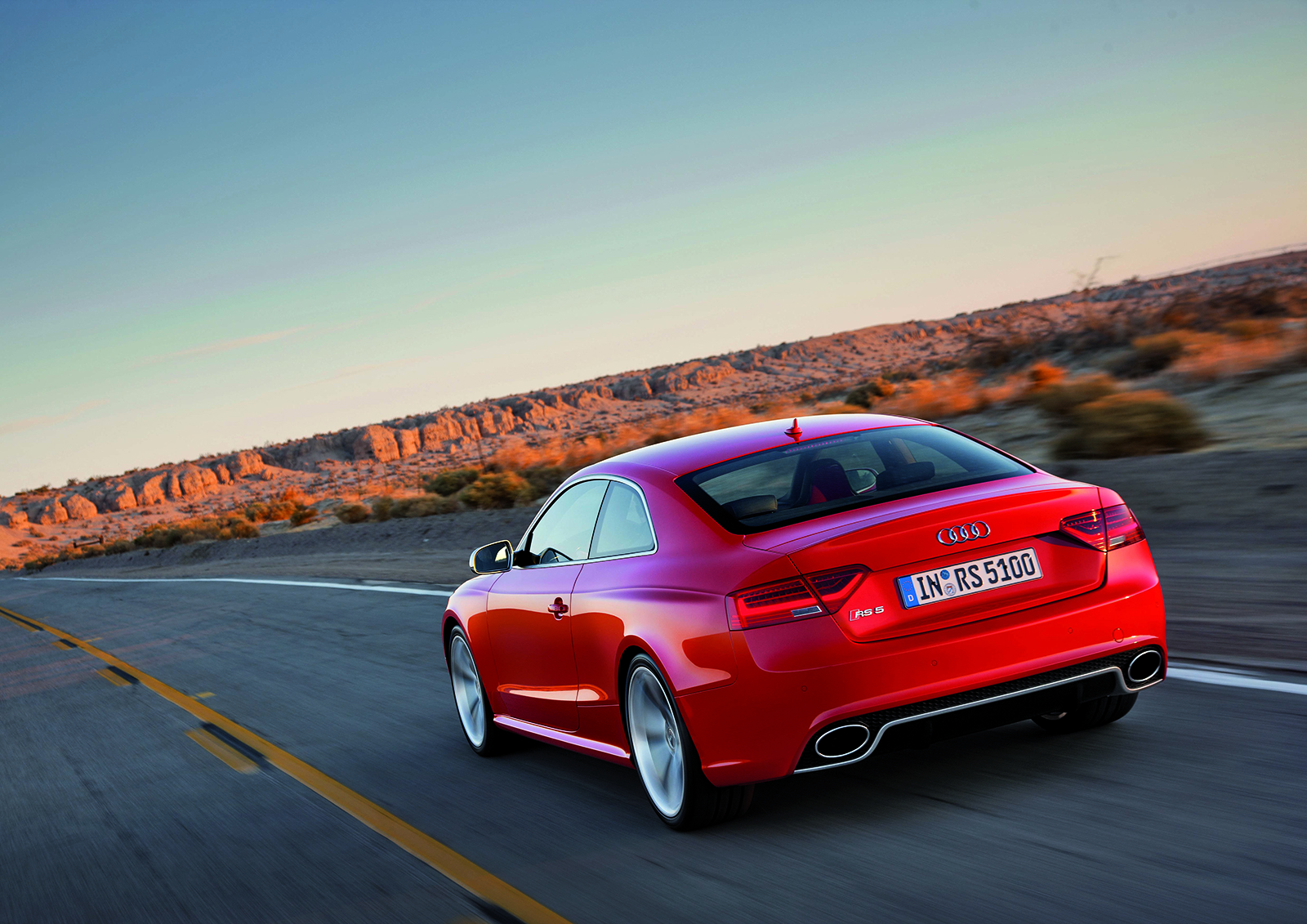
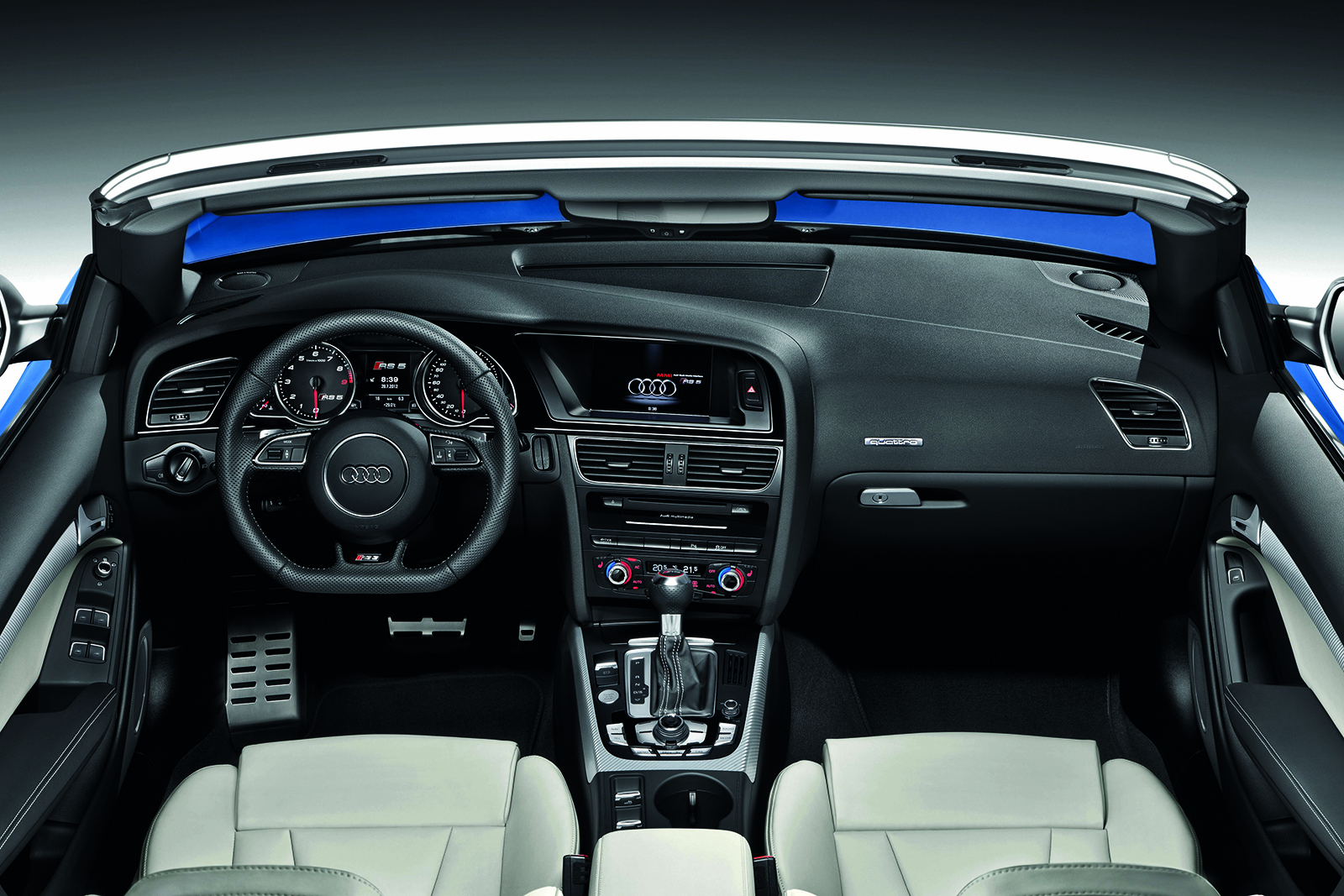
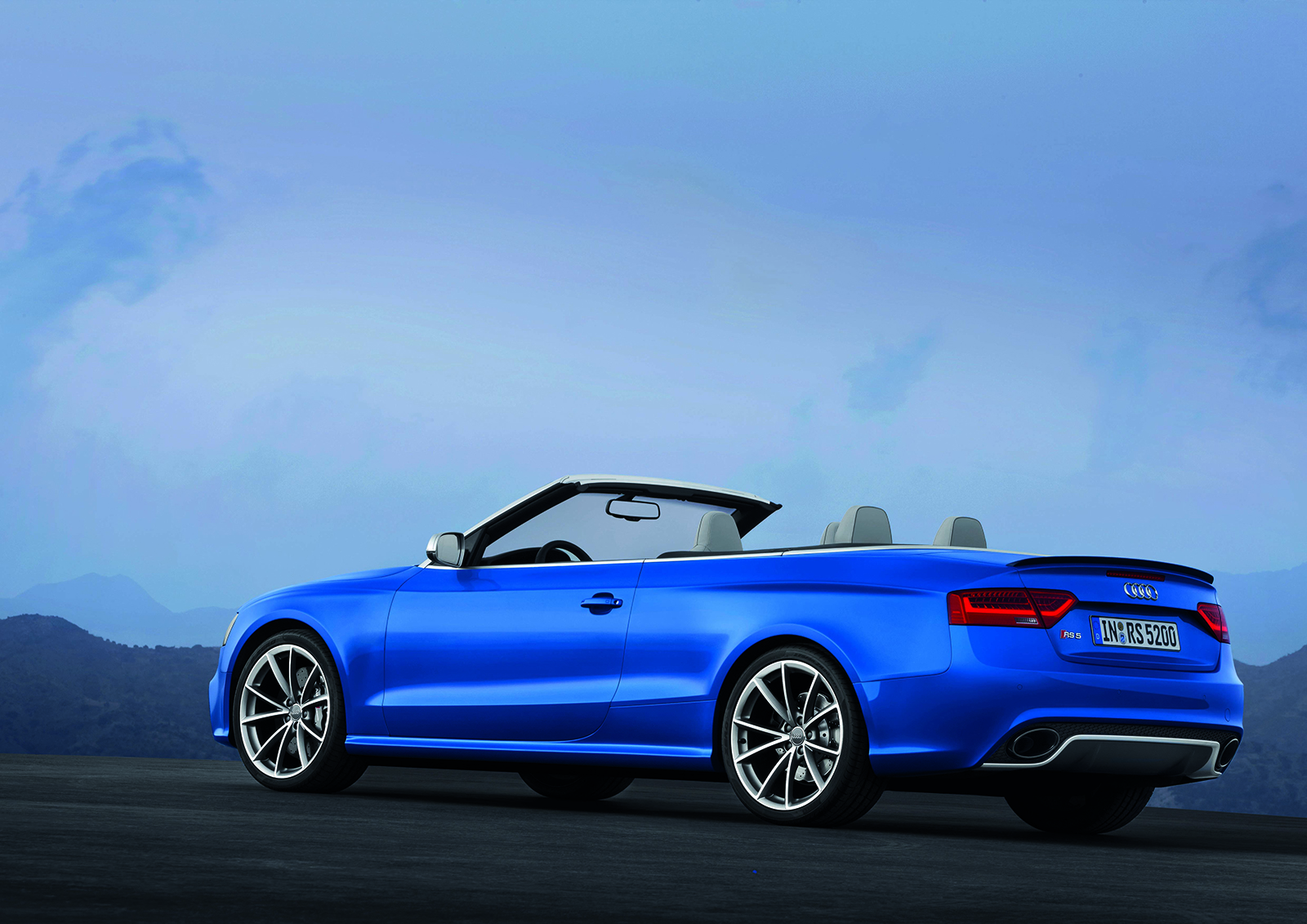
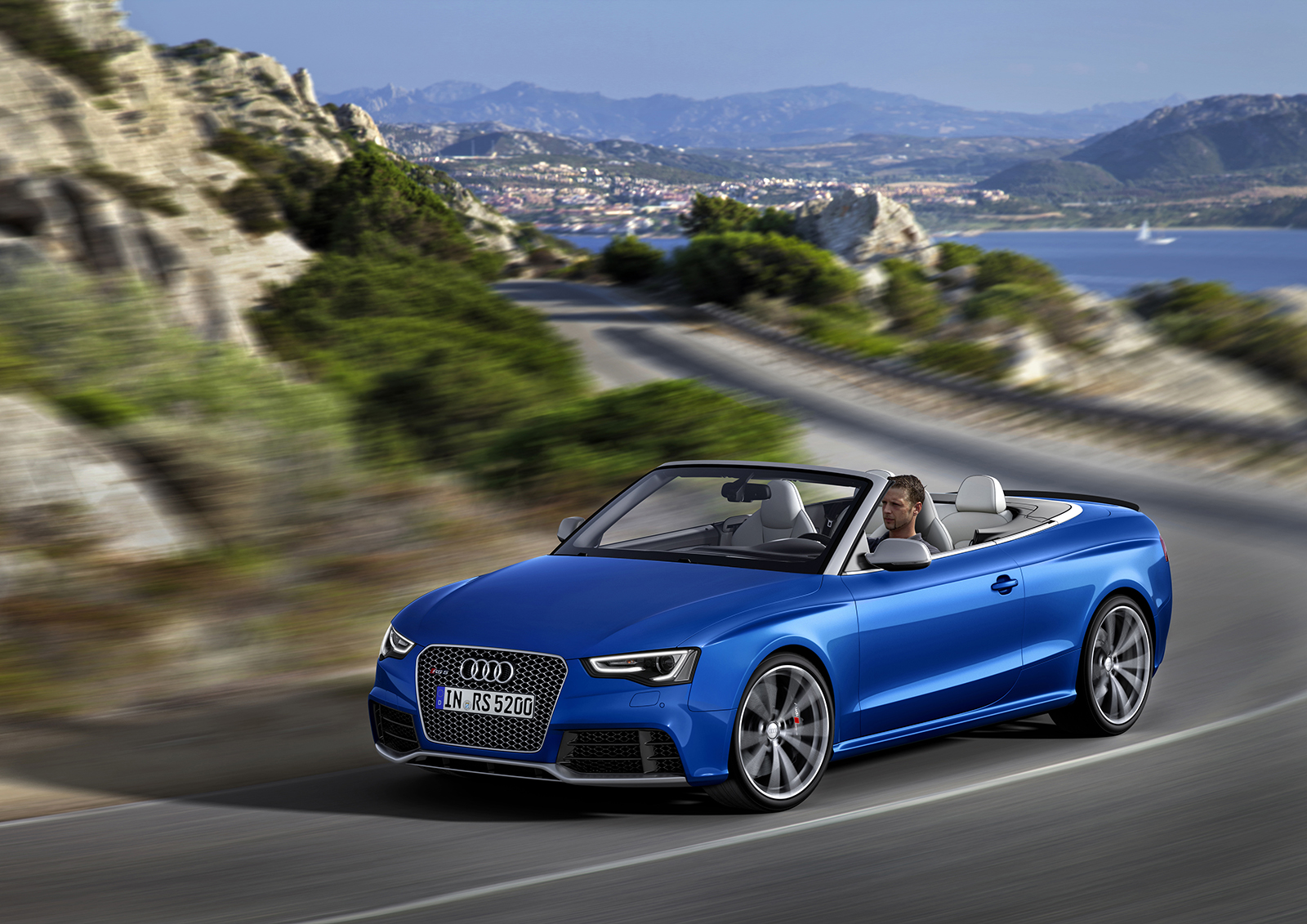
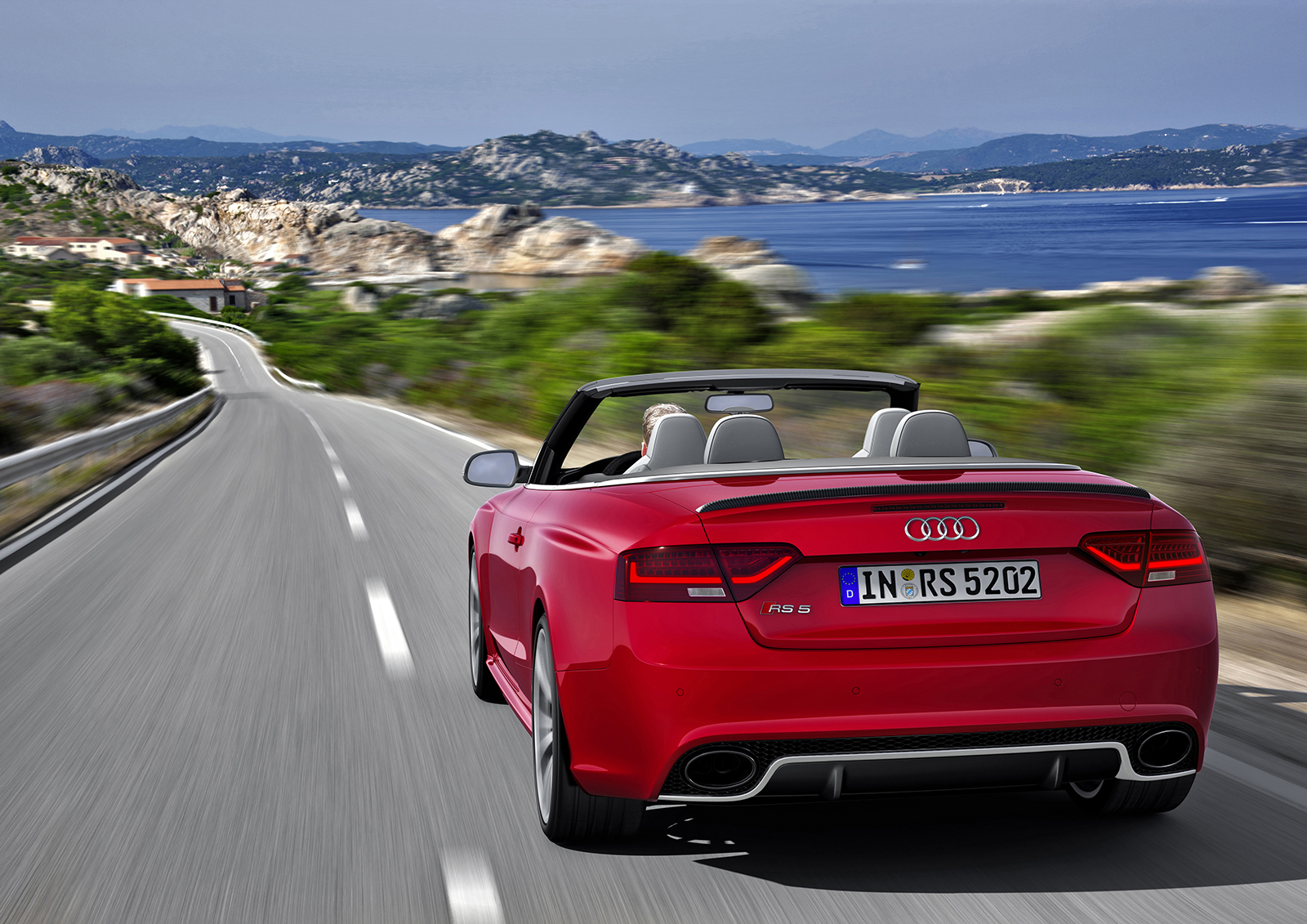
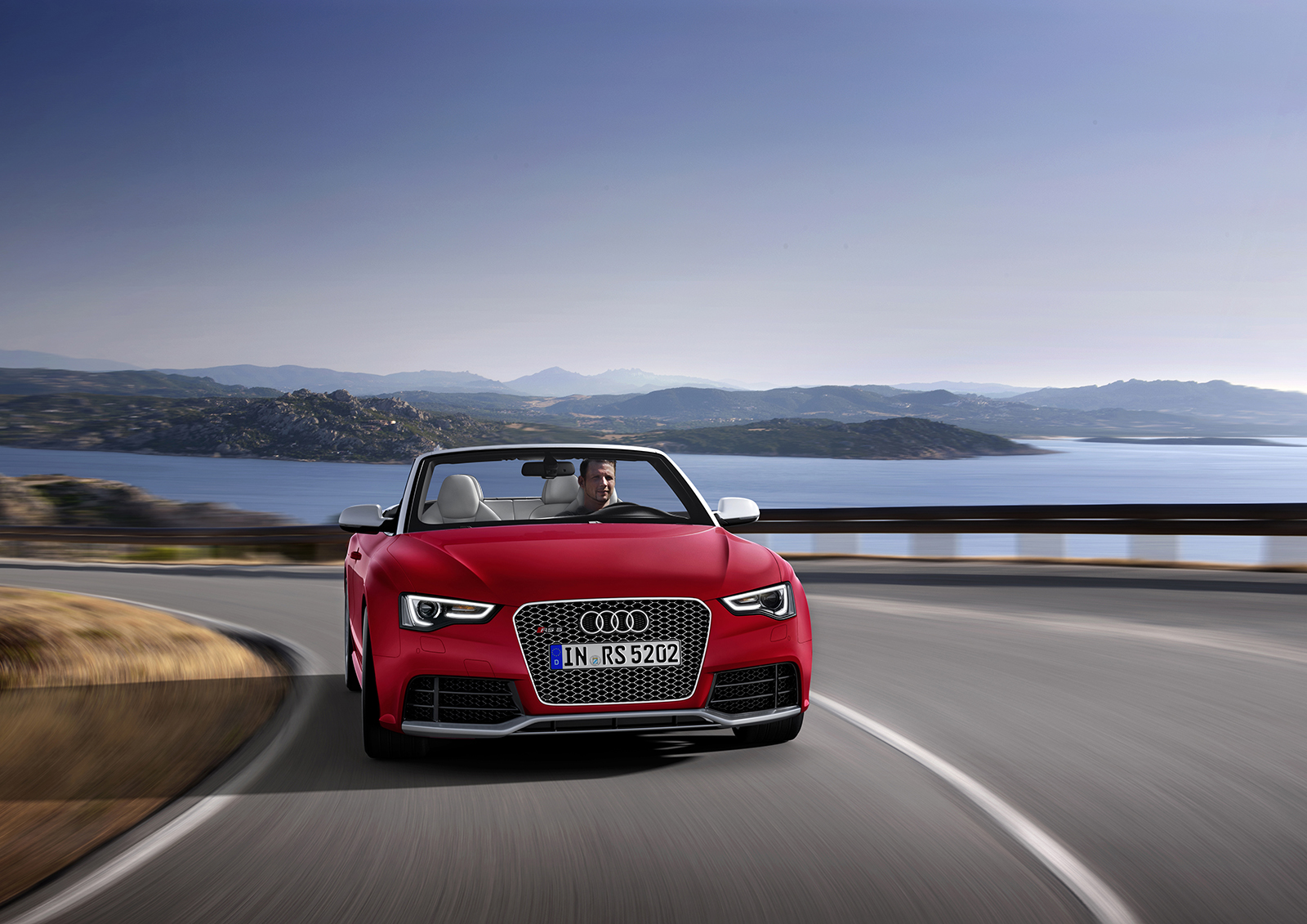
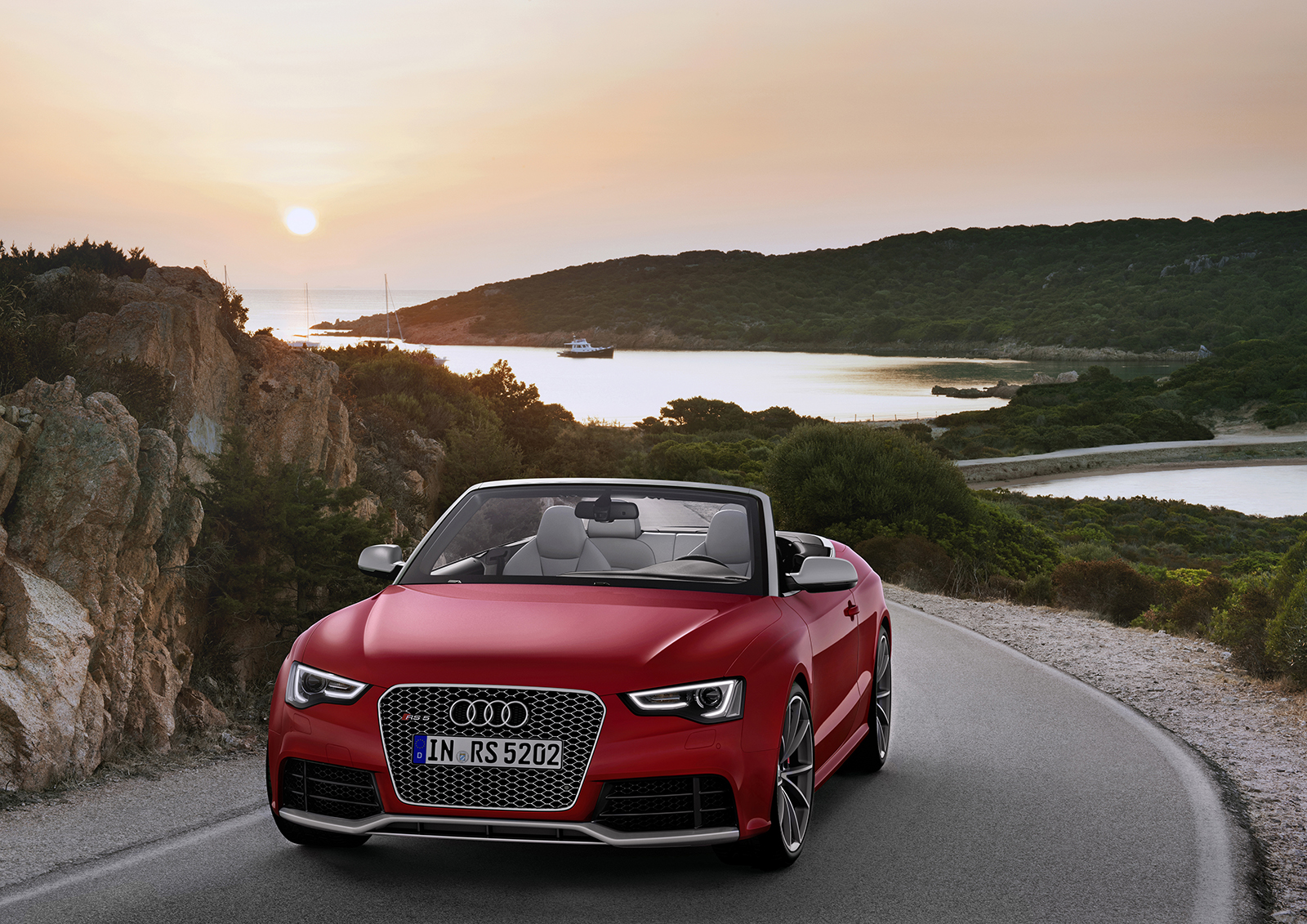
With an aim to rekindle some of the B7 RS4 magic, Audi launched theRS5 coupe in 2010. Powered by the same naturally-aspirated 4.2-litre V8 as the B7, but with mild tweaking to increase power to 444bhp with an all-singing 8500rpm redline, it was only available with a seven-speed twin-clutch gearbox. Zero to 62mph was covered in 4.6sec and it had genuine all-weather performance. However, it lacked just a touch of engagement and still felt weighty.
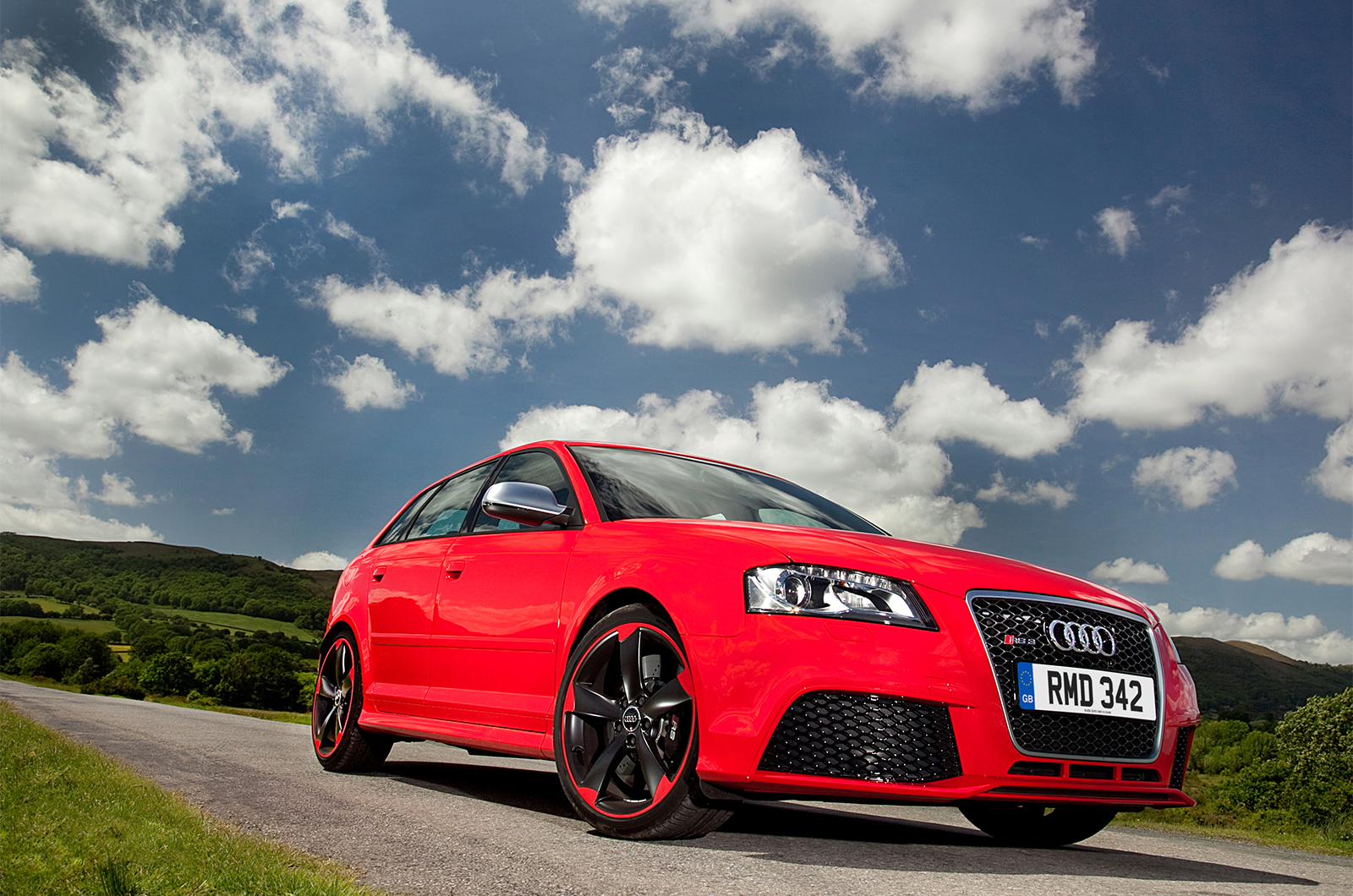
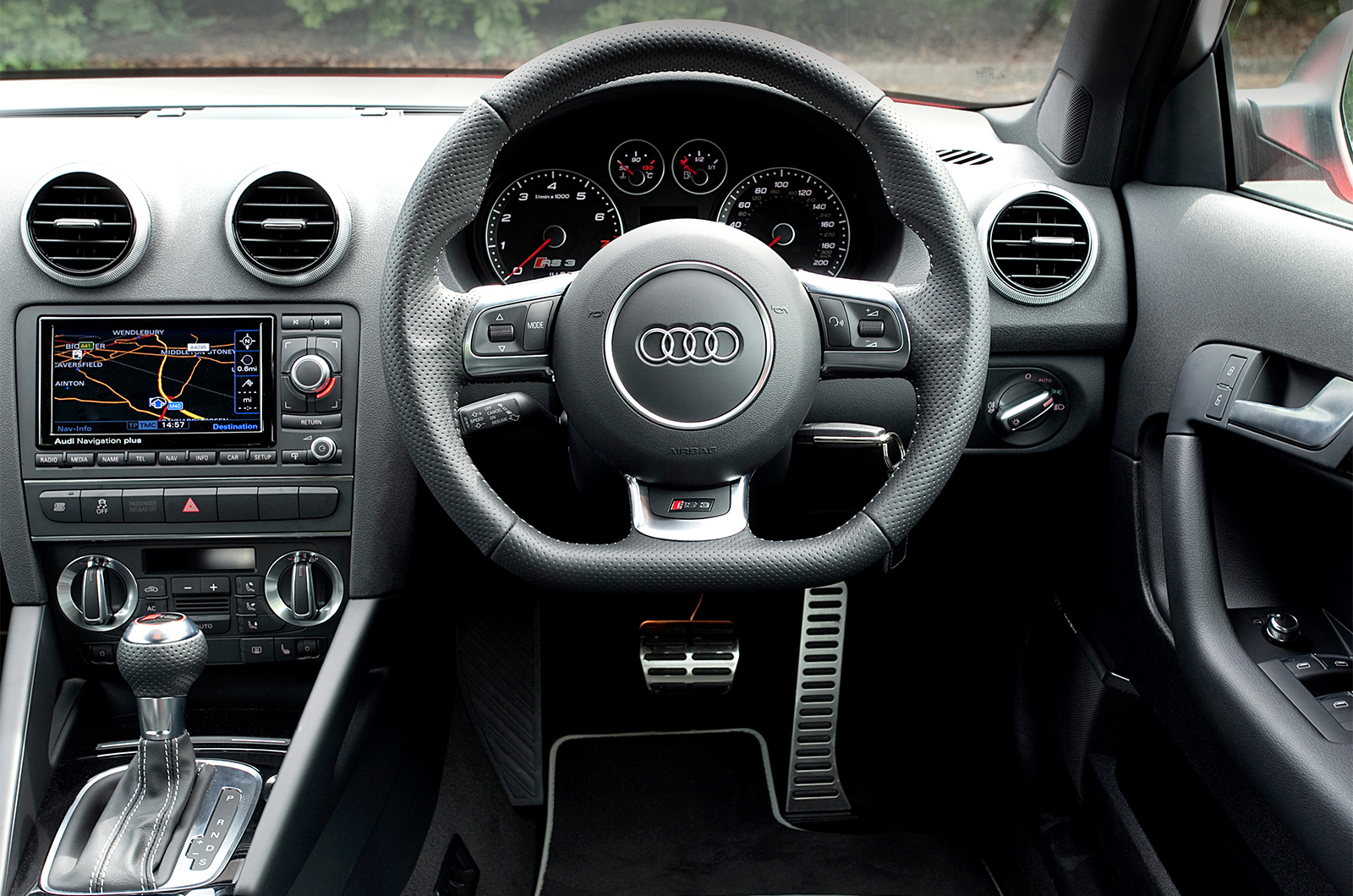
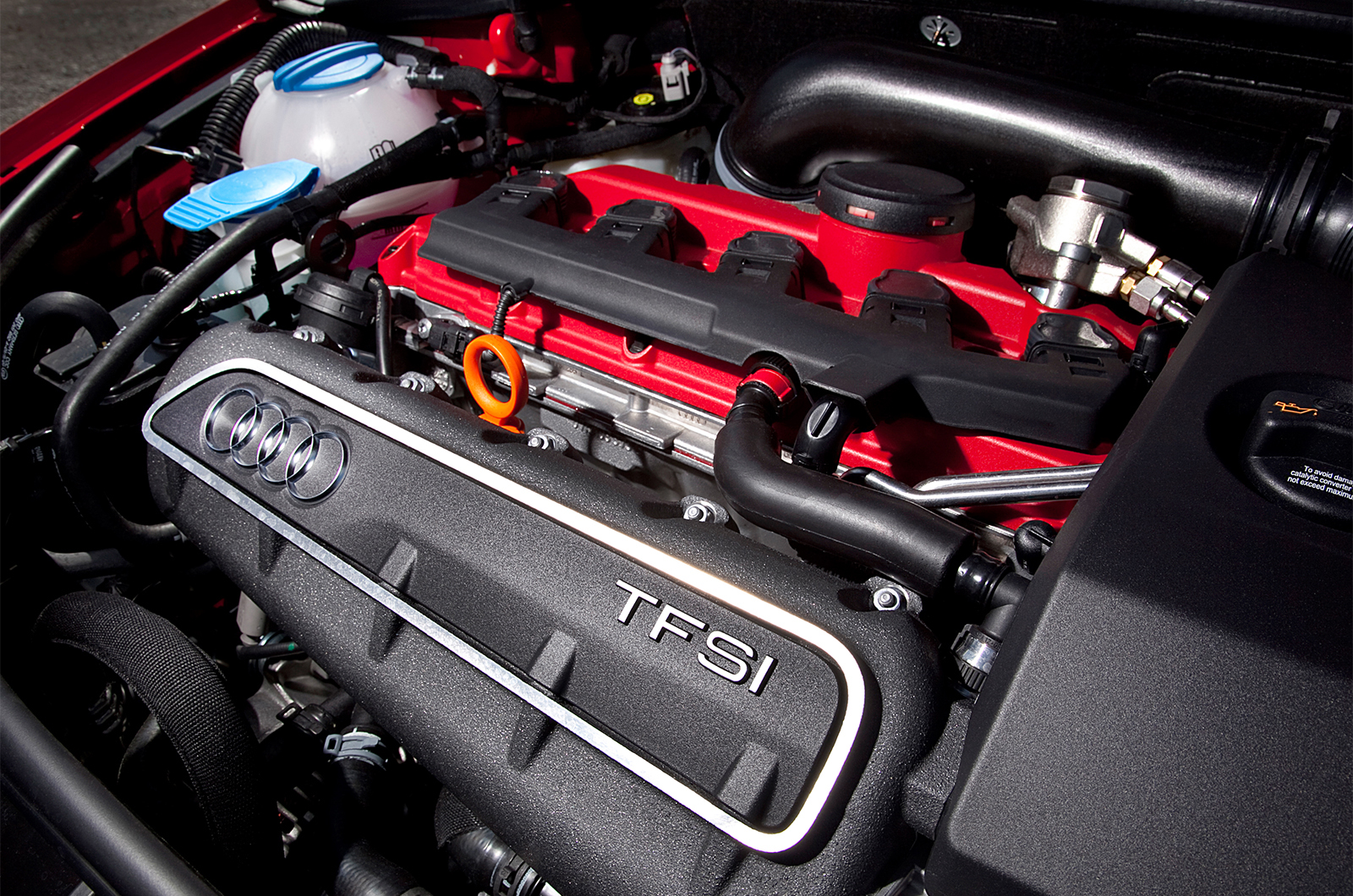
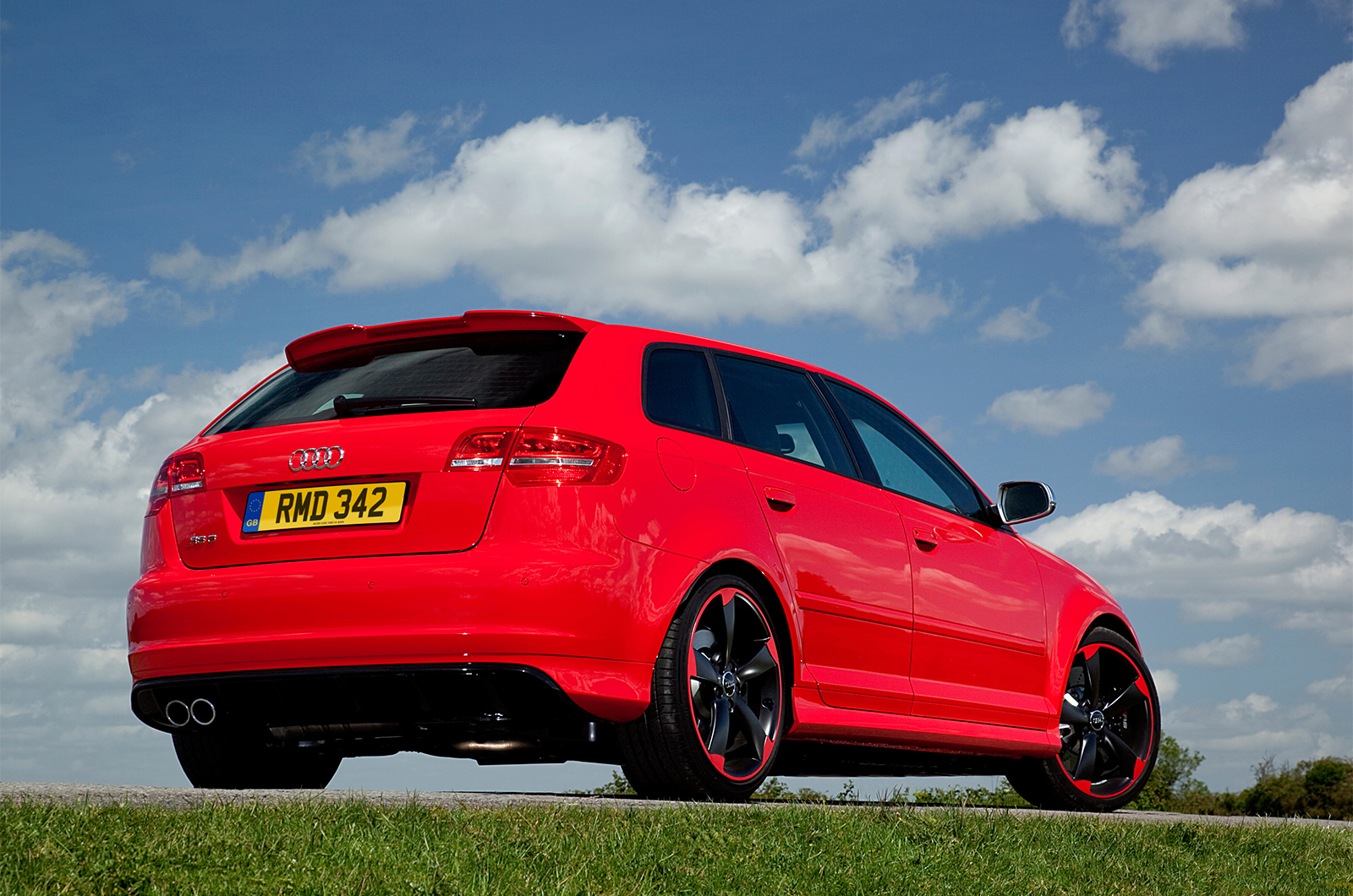
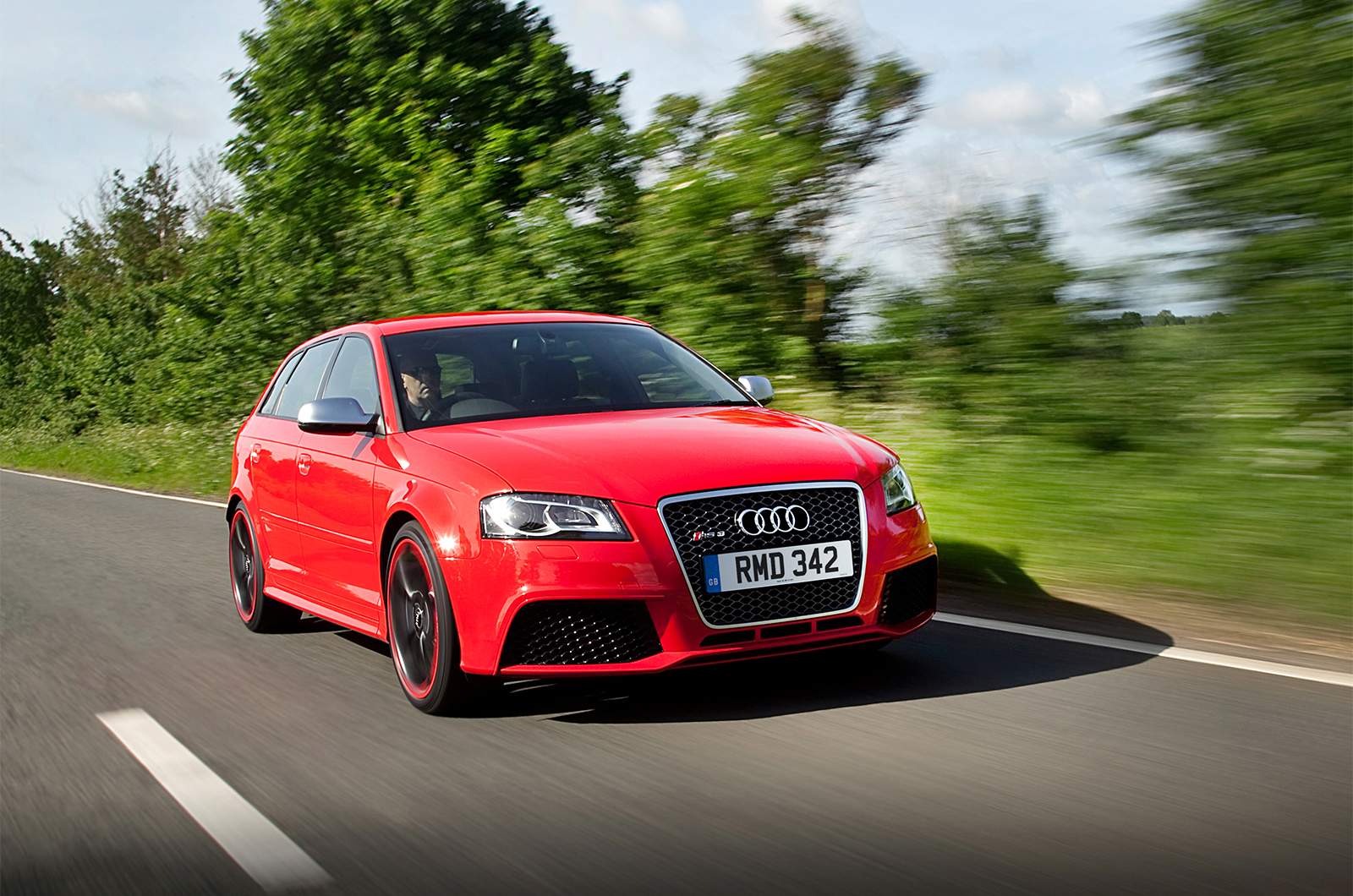
That same year, the Audi RS3 was hastened into production. With the TT RS’ 2.5-litre five-pot turbocharged engine shoehorned into the bonnet and mated to a seven-speed dual-clutch gearbox, the RS3 proved to be a more than capable performance hatchback. Despite the engine character, everyday usability and practicality, the RS3’s dynamic prowess was dampened by its inert steering and lack of chassis finesse.
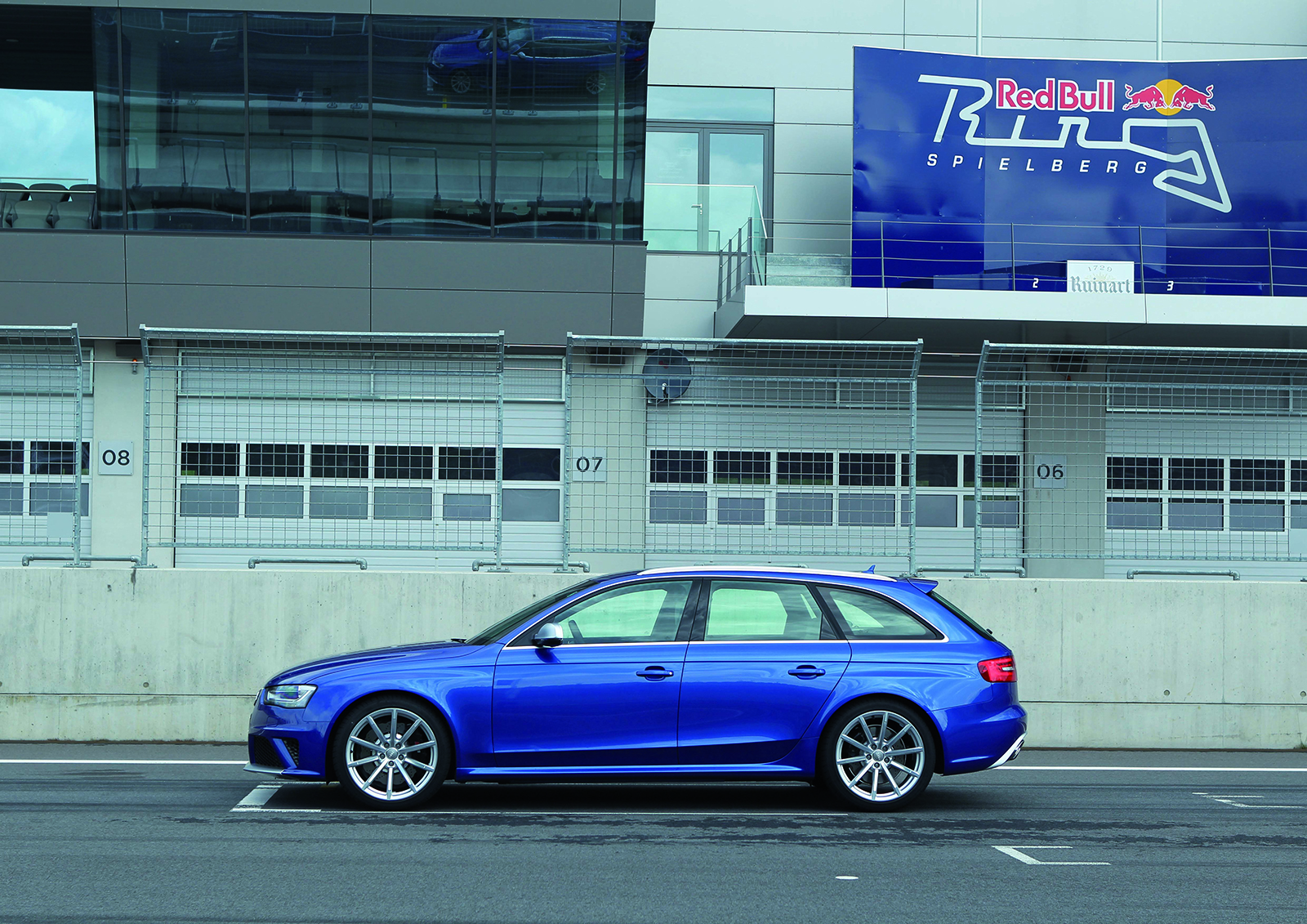
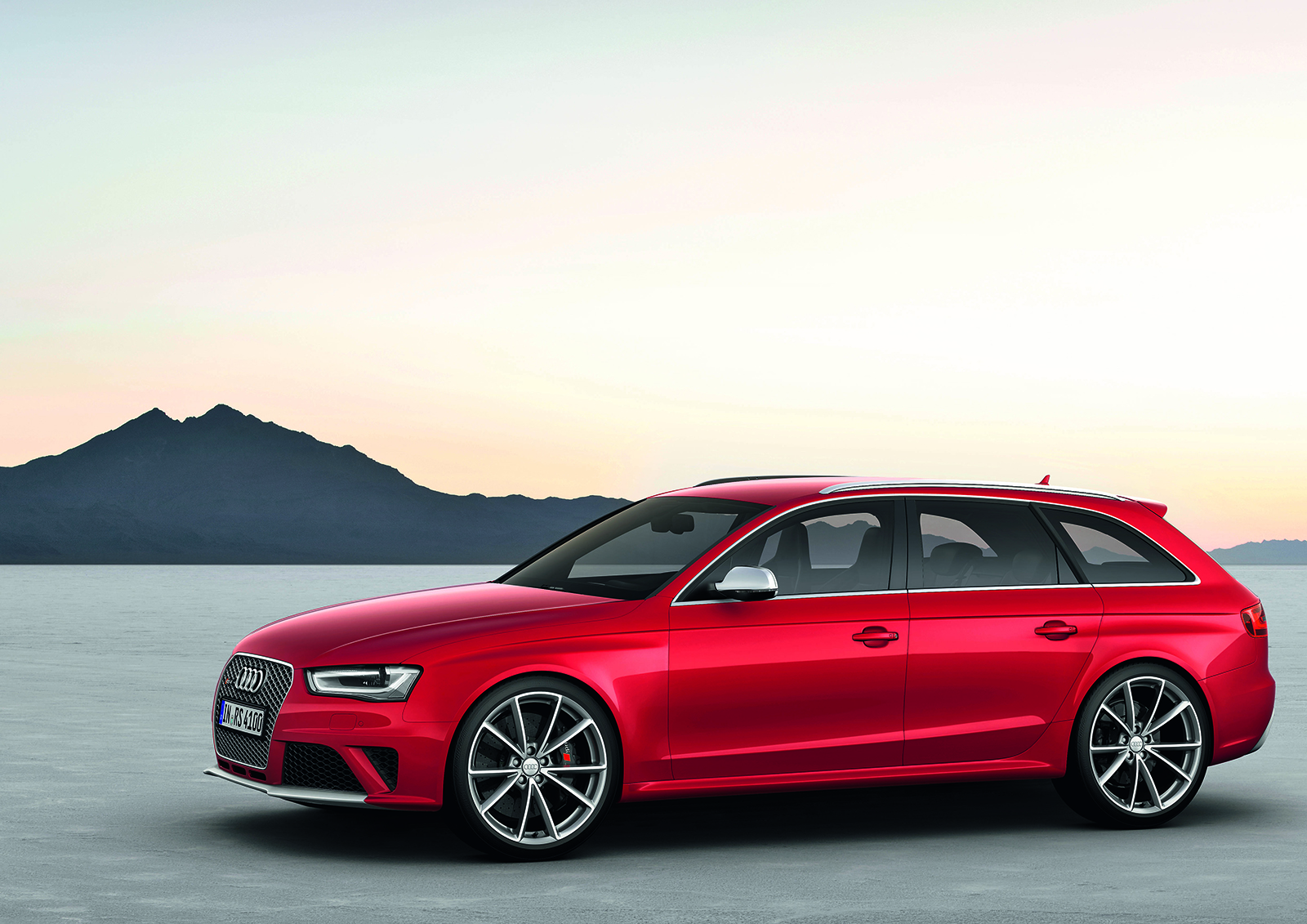
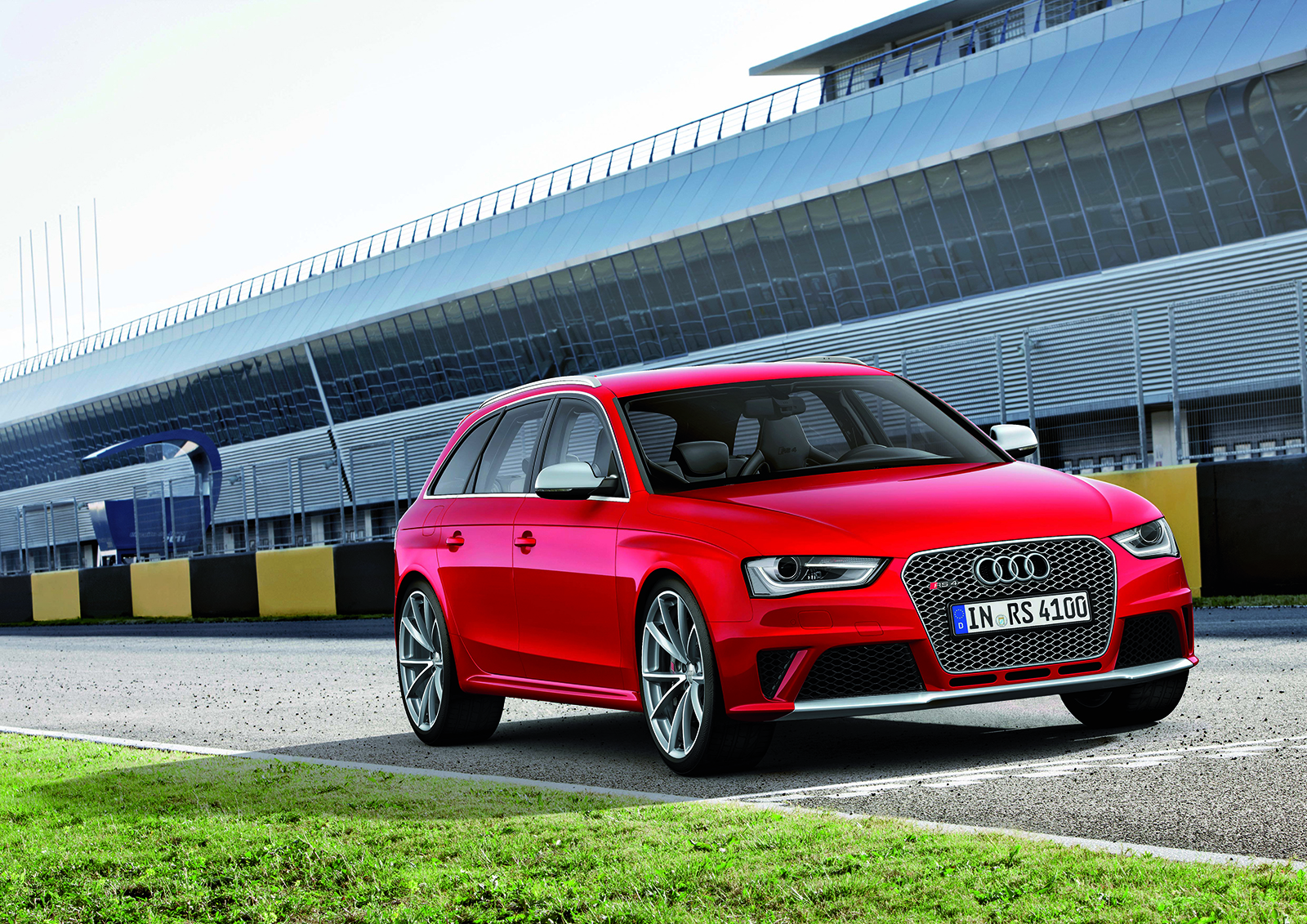
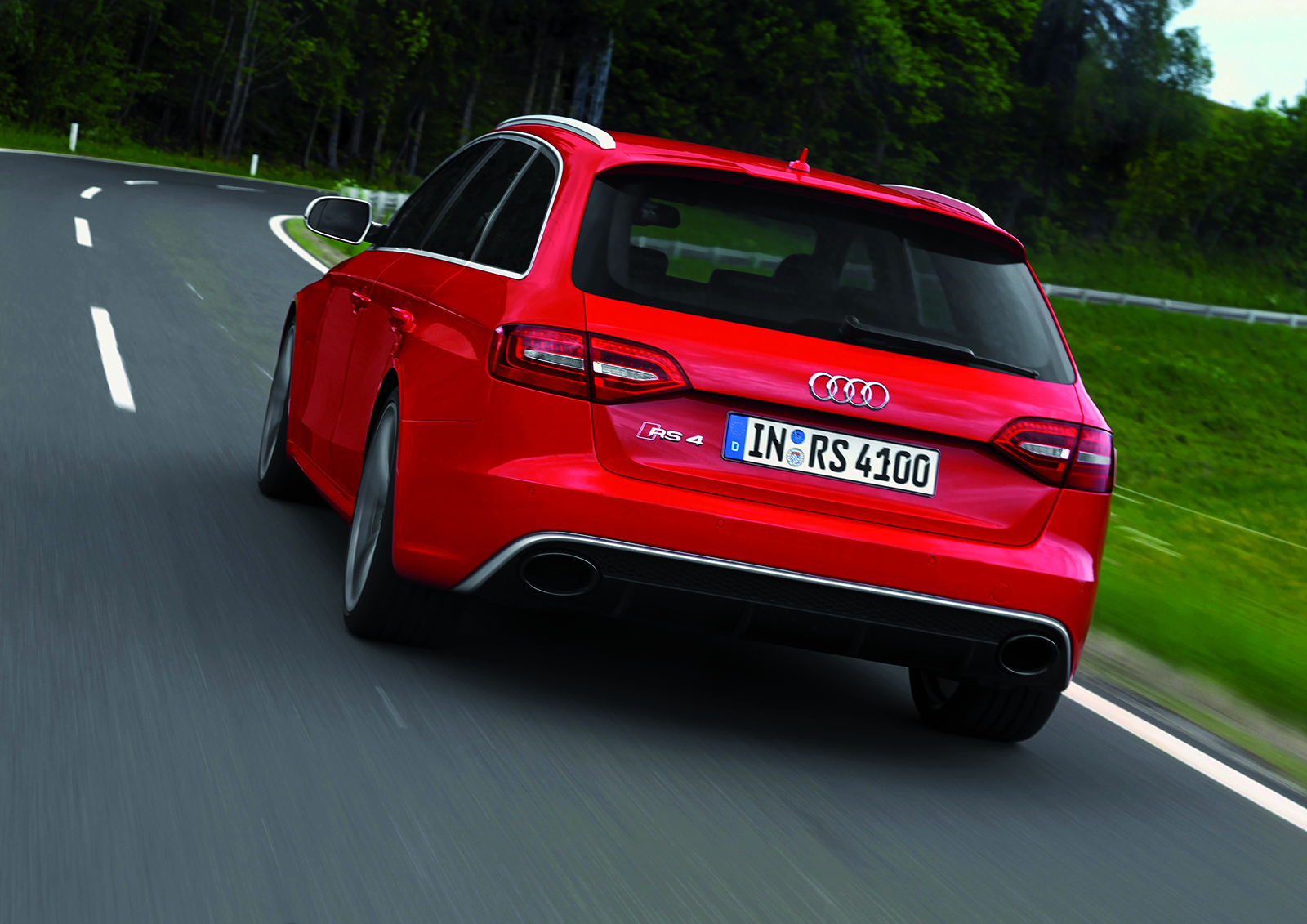
In 2012, Quattro GmBH reverted back to its traditional format for the new RS4, launching it in estate form only. The styling was turned up a notch, with steroidal wheel arches, triangular air intakes on the front fascia and large oval-tipped exhausts at the rear, which added up to a wonderfully macho-looking car. It utilised the same 4.2-litre V8 444bhp motor from the RS5 with 0-62mph covered in 4.7sec while being limited to 155mph. An optional extra would allow this to be stretched to 174mph.
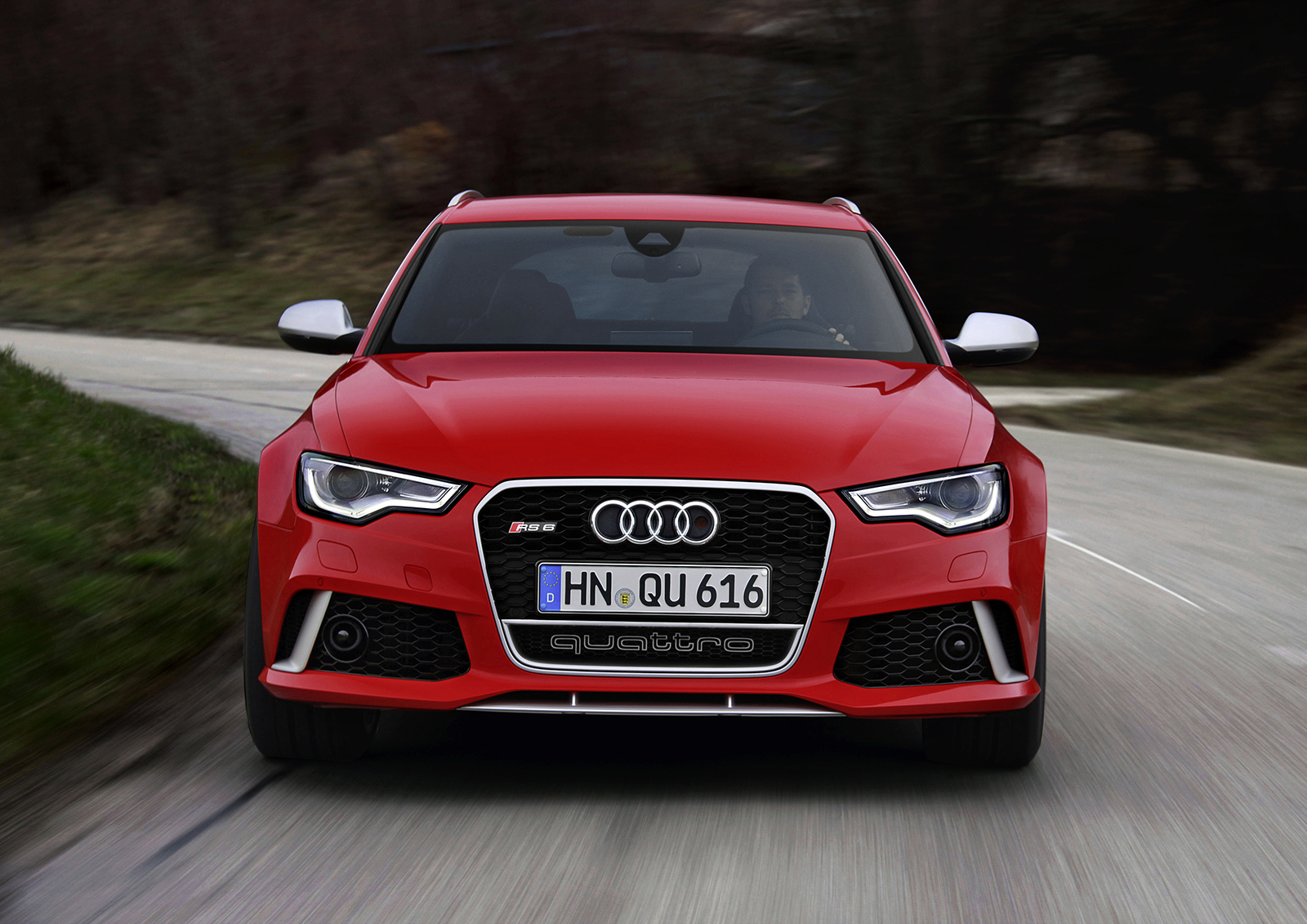
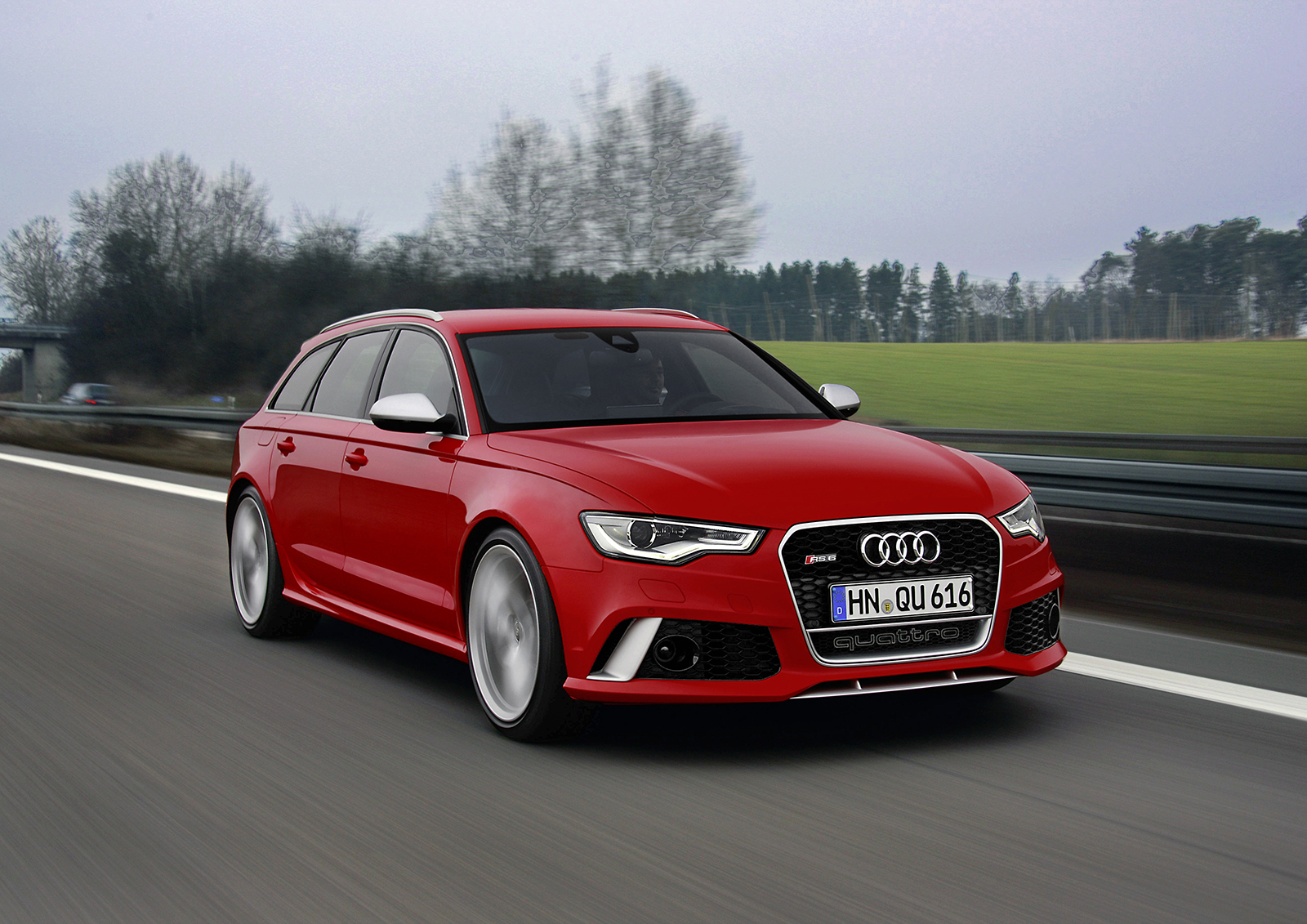
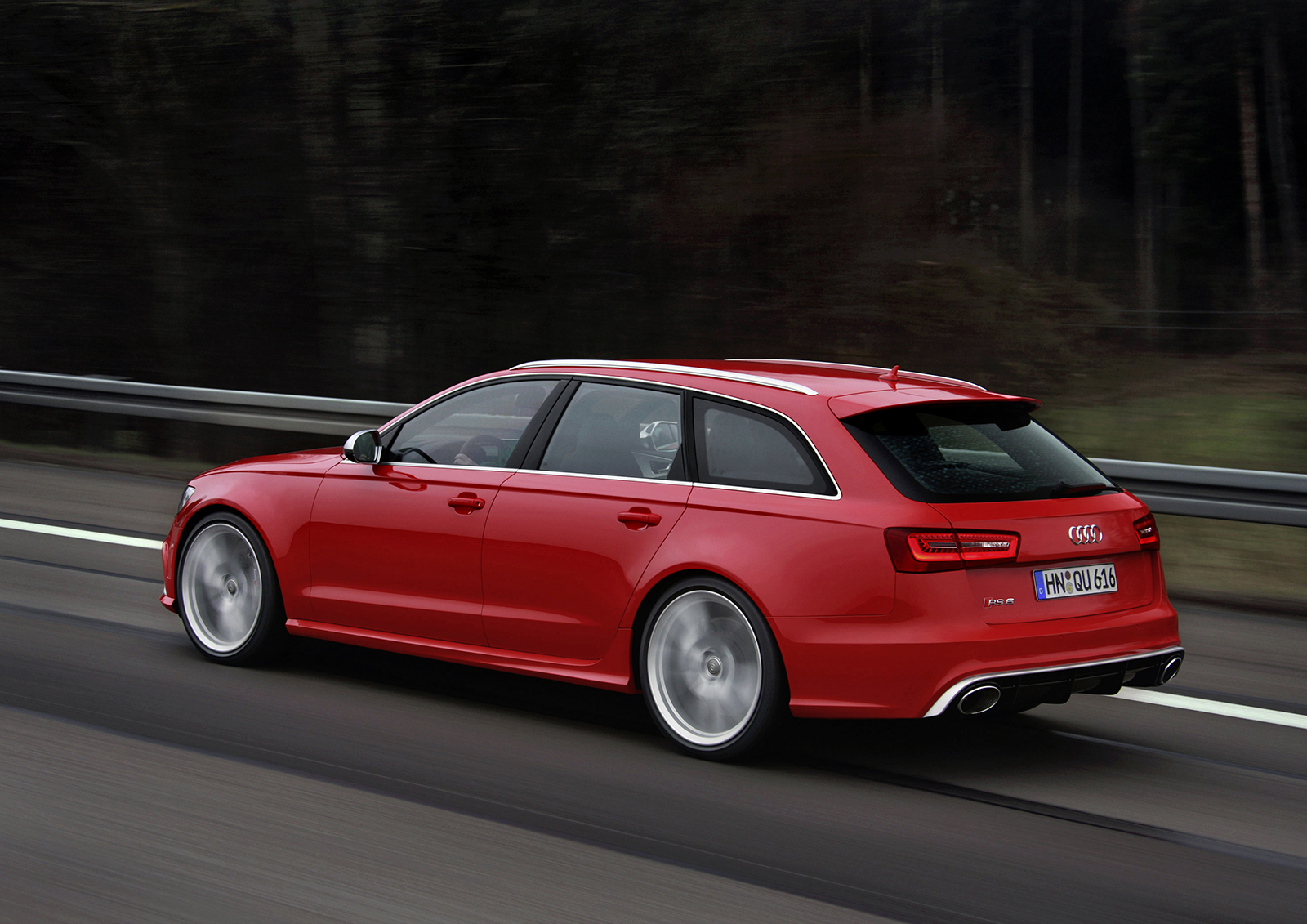
That year also saw the debut of the C7 RS6, with Audi retiring its predecessor’s mighty V10 powerplant in favour of a downsized 4.0-litre twin-turbocharged V8 making 553bhp. Even with the reduced engine capacity, the new RS6 remains quicker than its predecessor – rattling off the 0-62mph sprint in a staggering 3.9sec and passing the quarter-mile mark just three-tenths slower than a Porsche 997 GT2.
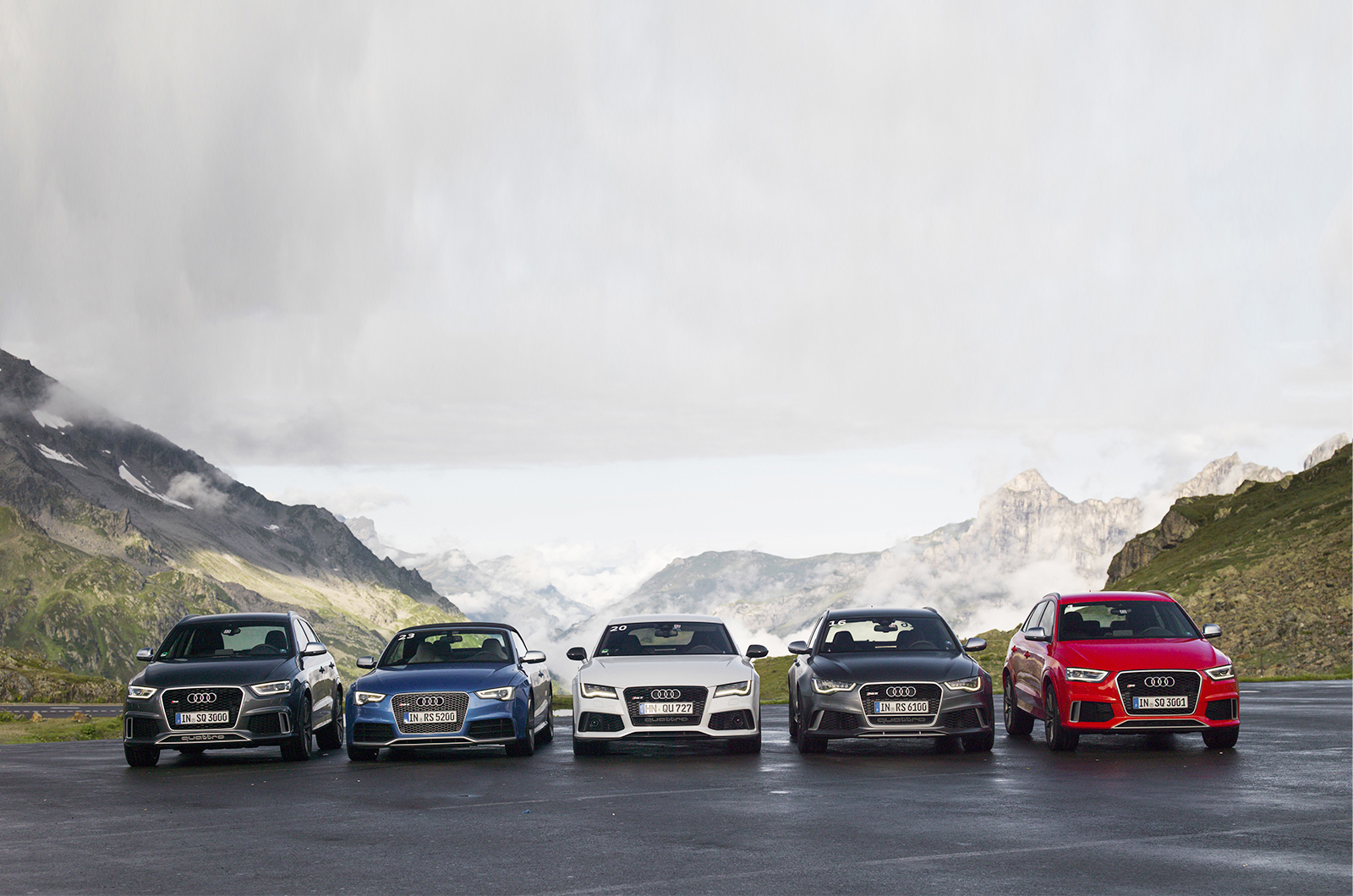
With Audi launching an all-new model in the form of the RS7 this year andconfirming the Q1 will go into production in 2016, as well as Quattro GmbH readying a high performance version of its A1 hatchback, can the performance division once again return to the dizzying heights of its B7 RS4 with its future models?
Aaron Smith






Esta es la primera, y hasta el momento, única foto que tenemos del sucesor del R18 e-tron de 2013. En la escueta nota de prensa que Audi nos ha facilitado, nos indica que el coche parece que se seguirá llamando R18 e-tron para la temporada 2014, a pesar de los enormes cambios técnicos que se avecinan, con una fórmula para las 24 Horas de Le Mans que se va a limitar a controlar consumos de combustibles, olvidándose de complicadas bridas.
A primera vista el R18 parece cambiar poco respecto al coche que todos conocemos, Aunque Audi ha escondido bien todos los detalles "vitales", con una foto con mucha perspectiva, donde vemos un nuevo frontal más fino y plano, y nuevas ópticas, así como una nueva toma de aire sobre el techo, pero poco más podemos decir del coche, que será presentado antes de que acabe este año, momento en el cual podremos especular sobre su técnica con más datos.

Audi revela tudo sobre o seu novo R18 e-tron quattro para 2014
Hace unos pocos días descubríamos las primeras imágenes del remozado R18 e-tron que Audi empleará en Le Mans en 2014. Hoy tenemos un puñado extra de instantáneas, y un montón de detalles técnicos para apoyarlas y comprender mejor el funcionamiento del nuevo sport-prototipo de la firma de Ingolstadt.
La reducción necesaria de consumo del 30% por vuelta que impone el reglamento para poder cumplir con él en 2014 es el que ha dictaminado los principales cambios del nuevo R18. Se conserva el uso de un V6 diésel sobrealimentado por turbocompresor y con inyección directa, pero es en el sistema eléctrico donde hay grandes e importantes novedades.
Se conserva el motor eléctrico en el eje delantero, que servirá al mismo tiempo como "captador de energía" en las frenadas, aprovechando la energía cinética del vehículo para alimentar un acumulador de volante de inercia. La energía acumulada en este dispositivo se aplicará en estas ruedas delanteras en fases de aceleración, bajo los deseos del conductor, pero también servirá para alimentar el otro sistema eléctrico del R18.
Este segundo sistema es una máquina eléctrica integrada en el turbocompresor. Como en los motores de Fórmula 1 para 2014, el R18 e-tron de 2014 integra un motor-generador asociado al eje del turbocompresor.
De esta manera el turbocompresor puede emplearse como generador eléctrico para alimentar el volante de inercia, aprovechando mejor la energía de los gases de escape. En fases de aceleración, el motor eléctrico puede acelerar el turbocompresor hasta sus revoluciones de funcionamiento óptimo, con lo que se reduce el "lag", el tiempo de respuesta, y se logra una mayor eficiencia energética en la cámara de combustión.
El uso de esta máquina térmica integrada en el turbocompresor nos deja una gran duda: ¿seguirá usando Audi un turbocompresor de geometría variable? El uso de este motor eléctrico puede hacer innecesario contar con un turbo de geometría variable, ciertamente, pero como los chicos de Ingolstadt no nos han aclarado nada al respecto, nos quedamos con la duda.
Tampoco sabemos si Audi ha modificado la cilindrada del motor V6, o si sigue conservando la del R18 de este año.
Lo que sí sabemos es que el coche es ahora más estrecho, ligeramente más alto, y tiene una cabina más amplia, todo por mandato reglamentario por parte de las nuevas normas del ACO.
Estéticamente se sigue pareciendo mucho a su predecesor más inmediato, estrenando nuevos grupos ópticos, eso sí. En el aspecto aerodinámico, no estamos viendo, a buen seguro, el "pack" definitivo que se empleará en Le Mans, pero sí que vemos un motor más "plano". Necesitaremos más tiempo y fotografías de detalle en todo caso para realizar un análisis más exhaustivo con el que descubrir lo que Audi esconde en esta nueva máquina de resistencia diésel.


Audi confirma planos para 11 novos modelos
Company delivers it 1.5 millionth car this year
Audi CEO Rupert Stadler has confirmed plans to introduce 11 all-new models.
The executive declined to go into specifics but said “We will continue to write this success story and expand our product range from the current 49 to 60 models." He went on to say "We see a great deal of potential, particularly in the SUV segment and in the especially prestigious full-size category.”
Speaking of the SUV segment, Audi has already announced plans to launch a Q1 in 2016. It could be joined by a variety of other crossovers including a Q2, Q4, Q6 and Q8. Stadler's comment about the "prestigious full-size category" also raises the possibility of the long-rumored A9 which could be a coupe or an Allroad sedan.
Regardless of what's planned, Audi has delivered more than 1.5 million vehicles to customers this year. To celebrate the milestone - which occurred two years ahead of schedule - the 1.5 millionth car, an A3 Sportback, was personally presented to its German owner by Stadler and sales chief Luca de Meo.
Source: Audi


