
Instale a aplicação
Como instalar a aplicação no iOS
Acompanhe o vídeo abaixo para ver como instalar o nosso website como uma aplicação web no seu ecrã inicial.
Nota: Esta funcionalidade pode não estar disponível em alguns navegadores.
Está a usar um navegador desatualizado. Pode não apresentar este ou outros sites corretamente.
Deve atualizar ou utilizar um browser alternativo.
Deve atualizar ou utilizar um browser alternativo.
Topico dos Crash-Tests ⚠️Euroncap- 10/10/2026
- Iniciador de tópicos GTTDI
- Data de início


LinoMarques
Well-known member
Não insultes o lixo...
Uma viatura que está à venda em alguns mercados europeus (como o alemão... por exemplo)...
https://www.leblogauto.com/2021/01/suda-01-dangereuse-bonus-electrique.html
Fatal for passengers and dangerous for emergency services In the video, we can clearly see the frontal structure crashing without sufficiently absorbing the shock and as a result the passenger compartment is deformed. Without an airbag, the poor driver dummy crashes into the steering wheel. Oh yes, because in addition, there is no belt "pretensioner"! It's not complicated, the driver's mannequin is red for the head, torso, both ankles and left leg, orange for the rest. In short, he's dead… A sad reminder of the Landwind in 2005 or the Brilliance BS6 in 2007.
With the deformation due to the impact, it is almost impossible to open the doors. Access to the emergency electrical system "circuit breaker" (under the hood) is also made almost impossible. All of this complicates and makes it very dangerous to intervene at the scene of an accident.
In the video, we can clearly see the frontal structure crashing without sufficiently absorbing the shock and as a result the passenger compartment is deformed. Without an airbag, the poor driver dummy crashes into the steering wheel. Oh yes, because in addition, there is no belt "pretensioner"! It's not complicated, the driver's mannequin is red for the head, torso, both ankles and left leg, orange for the rest. In short, he's dead… A sad reminder of the Landwind in 2005 or the Brilliance BS6 in 2007. With the deformation due to the impact, it is almost impossible to open the doors. Access to the emergency electrical system "circuit breaker" (under the hood) is also made almost impossible. All of this complicates and makes it very dangerous to intervene at the scene of an accident.
uOn the track, the Suda also proves to be totally outdated. Without ESP control is hazardous and avoidance turns into a counter-steer session. Braking is also rough with 41.8 m measured to stop from 100 km / h. For comparison, ADAC takes the Opel Corsa-e, which weighs 100 kg more than the Suda. The Corsa-e only takes 32.3 meters in the same exercise. By the time the Corsa comes to a stop, the Suda is still at 50 km / h.
How can the SUDA SA01 be homologated in Europe? Europe has made exemptions from its homologation standards for small series vehicles. This is Article 22 of Directive 2007/42 / EC. According to this directive, if a vehicle is produced in less than 1000 copies per year, then it can deviate from the rules. Usually, it is the craftsmen who go through this for less paperwork, but also to homologate vehicles like the Noble M600 for example. The small series approval applies to all of Europe. So if this car is imported to Germany, it can be sold in France. 19,390 euros in retail price in Germany, it is 100% electric and priced at less than 45,000 €. It therefore benefits from an electric bonus. Currently and until June 2021, the bonus is a maximum of € 7,000 for a car under € 45,000. But here we have to take into account the other maximum value of 27% of the sale price. This SUDA SA01 therefore benefits from state aid of 5,235 euros, bringing the purchase price of this piece of scrap to less than 14,155 €.
What to do with the European small series approval? This SUDA SA 01 puts the media spotlight on this directive of European reception in small series. If it starts from a "good feeling" to save the craftsmen of the automobile, it opens the door to drifts like this Chinese car which does not meet any correct standard. So what should be done? Stop the small series homologation even if it means eliminating craftsmen who make cars much safer than the SA01? Or continue with the directive, while putting in safeguards such as the inability to obtain state aid without the presence of equipment such as ESP, airbags and others? The mandatory communication on the safety of cars would already be good.
2021 Tesla Model Y NHTSA crash test
https://www.nhtsa.gov/vehicle/2021/TESLA/MODEL%2520Y%2520(ALL%2520VARIANTS%25205-SEAT)/SUV/AWD


Overall Front Star Rating
 Combines Driver and Passenger star ratings into a single frontal rating. The frontal barrier test simulates a head-on collision between two similar vehicles, each moving at 35 mph.
Front Driver Side
Front Passenger Side
Combined Side Barrier and Pole Ratings Combines the Side Barrier Driver and the Side Pole Star Ratings into a Front Seat rating. The Rear Seat rating is derived from the Side Barrier Rear Passenger rating.
Front Seat
Rear Seat
Rollover Star Rating
The Rollover Resistance test measures the risk of rollover in a single-vehicle, loss-of-control scenario.
Dynamic Tip Result: No Tip
Rollover Risk 7.90%
https://www.nhtsa.gov/vehicle/2021/TESLA/MODEL%2520Y%2520(ALL%2520VARIANTS%25205-SEAT)/SUV/AWD
Overall Front Star Rating
Front Driver Side
Front Passenger Side
Combined Side Barrier and Pole Ratings Combines the Side Barrier Driver and the Side Pole Star Ratings into a Front Seat rating. The Rear Seat rating is derived from the Side Barrier Rear Passenger rating.
Front Seat
Rear Seat
Rollover Star Rating
Dynamic Tip Result: No Tip
Rollover Risk 7.90%
Nissan MagniteAsean Ncap 2021 crash test
https://aseancap.org/v2/?p=5228
https://www.aseancap.org/v2/wp-content/uploads/2021/01/Nissan-Magnite-Digital-Report-19-Jan-2021.pdf

https://aseancap.org/v2/?p=5228
https://www.aseancap.org/v2/wp-content/uploads/2021/01/Nissan-Magnite-Digital-Report-19-Jan-2021.pdf
Se comparar-mos o crash test do VW Golf V contra o Kia Sorento e o Volvo XC90, o Juke de 2020 consegue obter um resultado melhor no embate contra o Furgão da Nissan NV400
https://cdn.euroncap.com/media/61174/euro-ncap-compatibility-test-summary-report.pdf
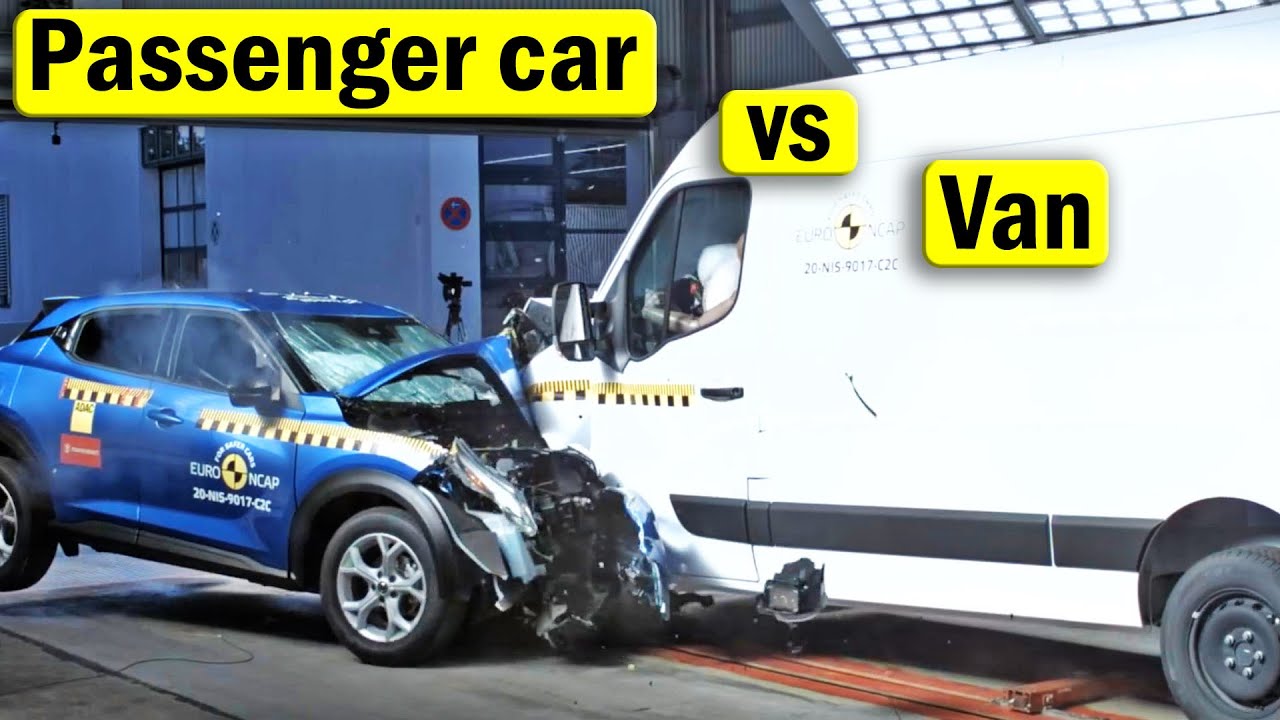


Nissan NV400 PRO F35.13 L2H2 FWD (2019)
Test Weight 2848 kg
Crashes in the real world (e.g. at higher speeds or with more cargo) can be much more severe and the test results reveal that the van body most certainly is not designed to withstand much overload. Both occupants in the commercial van showed a high risk of injury to the chest, knee, femur and pelvis.
Nissan Juke DIG-T 117 N-Connecta (2019)
1487 kg (cf. 1400 kg MPDB)
https://cdn.euroncap.com/media/61174/euro-ncap-compatibility-test-summary-report.pdf
Nissan NV400 PRO F35.13 L2H2 FWD (2019)
Test Weight 2848 kg
Crashes in the real world (e.g. at higher speeds or with more cargo) can be much more severe and the test results reveal that the van body most certainly is not designed to withstand much overload. Both occupants in the commercial van showed a high risk of injury to the chest, knee, femur and pelvis.
Nissan Juke DIG-T 117 N-Connecta (2019)
1487 kg (cf. 1400 kg MPDB)
Última edição:
LinoMarques
Well-known member
Link extremamente interessante com mesmo muita informação e documentação sobre investigação de segurança na Volvo desde 1980:
https://group.volvocars.com/company/safety-vision/research
Exemplo: primeiras discussões sobre um airbag lateral em 1989.
https://group.volvocars.com/company/safety-vision/research
Exemplo: primeiras discussões sobre um airbag lateral em 1989.
LinoMarques
Well-known member
A mais recente aquisição para a colecção:

A mais recente aquisição para a colecção:
Como é por dentro?Coloca fotos
LinoMarques
Well-known member
Só o vou receber... não sei quando! [ ]
]
Seguiu para casa do alemão dos carros e agora só quando ele cá vier. [ ]
]
]Seguiu para casa do alemão dos carros e agora só quando ele cá vier. [
]Parece que houve na América uns problemas, no que concerne à segurança passiva do nova Qashqai/Rogue que vai ser lançado este ano,
https://www.motor1.com/news/489441/2021-nissan-rogue-crash-test-poor/
The 2021 Nissan Rogue impressed us during a first drive and in a thorough follow-up test, recording a rating of 9.7 out of 10. But that class-leading figure came before we found out about a disappointing performance in National Highway Traffic Safety Administration testing, where the redesigned Rogue scored just four stars overall and managed a meager two-star rating on front pedestrian crash testing. There’s a catch, though.
The issue behind the low rating only impacts vehicles built before January 28, 2021, at Nissan’s Kyushu, Japan, facility. And while that group includes approximately 50,000 examples of the popular compact CUV, the majority of Rogues sold in North America come from Nissan’s Smyrna, Tennessee, factory, where the company has already made changes to Rogue’s build process

Nissan applied an update to the front passenger restraint system on all 2021 Rogue vehicles assembled at Nissan’s Smyrna, Tennessee, plant, and all vehicles produced after January 28 at the Kyushu plant,” the company said in an emailed statement. “Therefore, the two-star front-passenger safety rating only applies to the vehicles produced at the Kyushu plant prior to January 28.” “The front-passenger safety systems in the vehicles that received the update have yet to be tested by NHTSA,” the statement added. “An additional test of the 2021 Rogue is scheduled with results expected in May.”


https://www.motor1.com/news/489441/2021-nissan-rogue-crash-test-poor/
The 2021 Nissan Rogue impressed us during a first drive and in a thorough follow-up test, recording a rating of 9.7 out of 10. But that class-leading figure came before we found out about a disappointing performance in National Highway Traffic Safety Administration testing, where the redesigned Rogue scored just four stars overall and managed a meager two-star rating on front pedestrian crash testing. There’s a catch, though.
The issue behind the low rating only impacts vehicles built before January 28, 2021, at Nissan’s Kyushu, Japan, facility. And while that group includes approximately 50,000 examples of the popular compact CUV, the majority of Rogues sold in North America come from Nissan’s Smyrna, Tennessee, factory, where the company has already made changes to Rogue’s build process
Nissan applied an update to the front passenger restraint system on all 2021 Rogue vehicles assembled at Nissan’s Smyrna, Tennessee, plant, and all vehicles produced after January 28 at the Kyushu plant,” the company said in an emailed statement. “Therefore, the two-star front-passenger safety rating only applies to the vehicles produced at the Kyushu plant prior to January 28.” “The front-passenger safety systems in the vehicles that received the update have yet to be tested by NHTSA,” the statement added. “An additional test of the 2021 Rogue is scheduled with results expected in May.”
Tesla Model Y -5 estrelas nos crash tests do NHTSA
https://www.nhtsa.gov/vehicle/2021/TESLA/MODEL%2520Y%2520(ALL%2520VARIANTS%25205-SEAT)/SUV/AWD

Overall Front Star Rating 5
Front Driver Side 5
Front Driver Side 5
Overall Side Star Rating 5
Front Seat 5
Rear Seat 5
Side Barrier 5
Driver 5
Rear Passenger 5
Overall Side Pole Star Rating 5
https://www.nhtsa.gov/vehicle/2021/TESLA/MODEL%2520Y%2520(ALL%2520VARIANTS%25205-SEAT)/SUV/AWD
Overall Front Star Rating 5
Front Driver Side 5
Front Driver Side 5
Overall Side Star Rating 5
Front Seat 5
Rear Seat 5
Side Barrier 5
Driver 5
Rear Passenger 5
Overall Side Pole Star Rating 5
2021 IIHS 2021 Safety Pick and Top Safety Pic
https://www.iihs.org/news/detail/ch...ous-consumers-as-90-vehicles-earn-iihs-awards
https://www.iihs.org/news/detail/ch...ous-consumers-as-90-vehicles-earn-iihs-awards
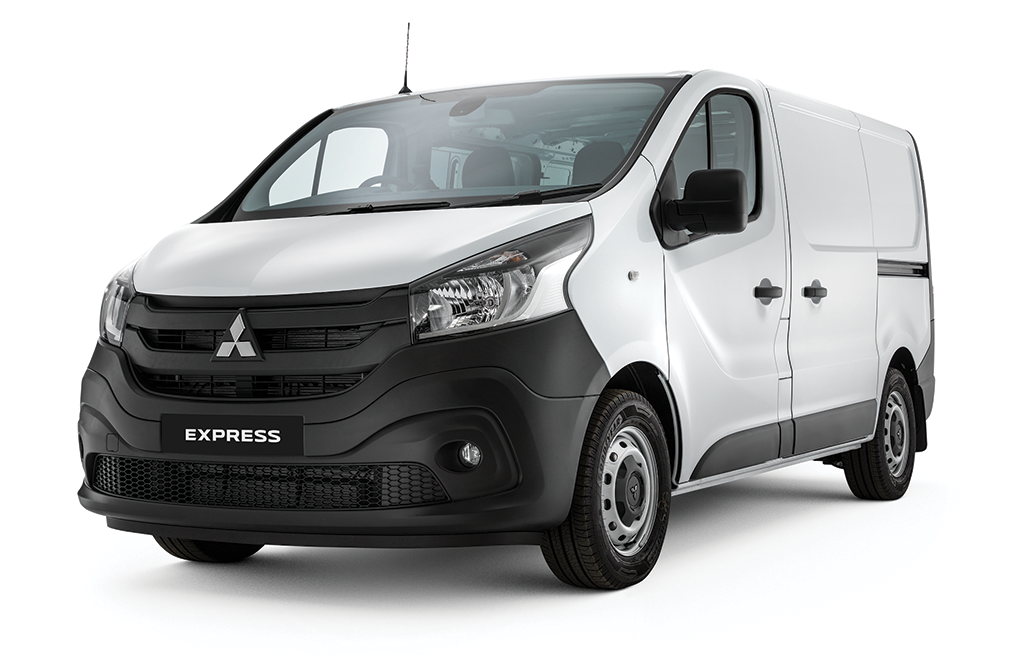
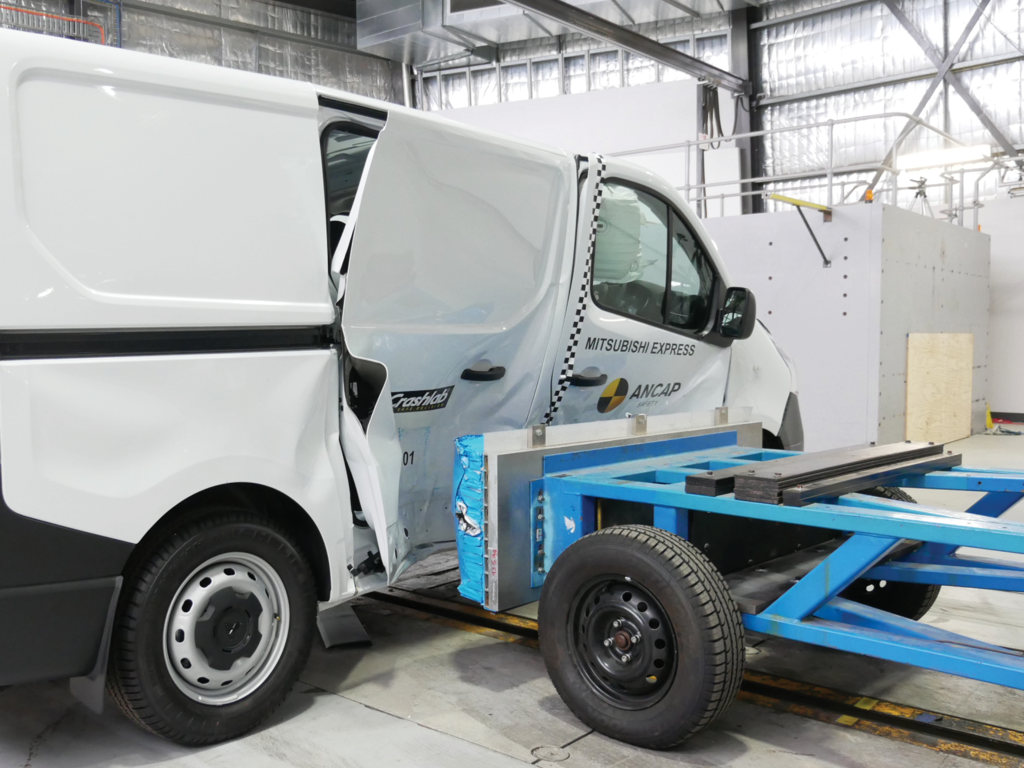
2021 Mitsubishi Express Crash test (Renault Traffic/Opel Vivaro)
https://s3.amazonaws.com/cdn.ancap.com.au/app/public/assets/317f48df35bf6d0685ca9dddb6e9646260bfac4c/original.pdf?1614563288
0 Estrelas



https://s3.amazonaws.com/cdn.ancap.com.au/app/public/assets/317f48df35bf6d0685ca9dddb6e9646260bfac4c/original.pdf?1614563288
0 Estrelas
Última edição:
LinoMarques
Well-known member
Por que é que teve 0 estrelas?? 

Eagle88
Well-known member
Por que é que teve 0 estrelas??
Falta de elementos de assistência eletrónica. Apesar de não ser um modelo muito antigo, comparando com a concorrência, já é uma carrinha velhota.


Última edição:
Volvo Polstar 2
https://www.euroncap.com/en/results/polestar/2/42252
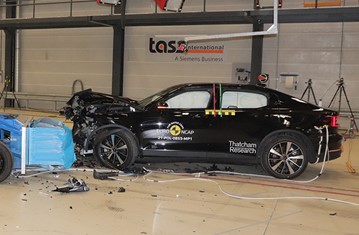


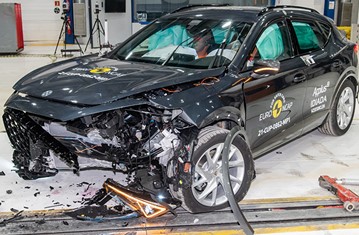
Interessante o facto de o Polstar ter, uma frente mais agressiva do que a do Cupra Formentor. E é que no caso do Polstar é ao nível das baterias, mas mais acima.Seria interessante comparar a rigidez/capacidade de deformação/absorção de energia lateral do Polstar em comparação com um carro a combustão.
https://www.euroncap.com/en/results/polestar/2/42252
Interessante o facto de o Polstar ter, uma frente mais agressiva do que a do Cupra Formentor. E é que no caso do Polstar é ao nível das baterias, mas mais acima.Seria interessante comparar a rigidez/capacidade de deformação/absorção de energia lateral do Polstar em comparação com um carro a combustão.
Última edição:
Cupra Formentor vs Seat Terraco
Penso que seja o mesmo carro, apenas com diferenças esteticas e mecanicas mas que, nao alteram a sua segurança passiva em caso de acidente
Cupra: Azul
Seat:Vermelho
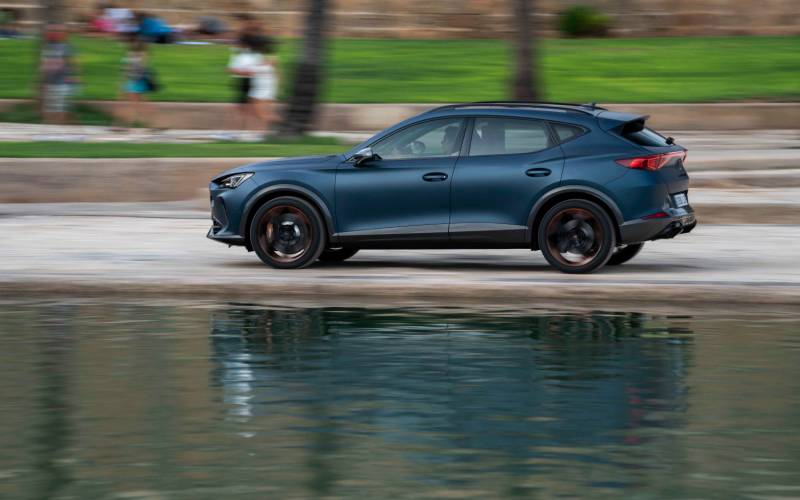

Cupra; Adult Occupant 93 Child Occupant 88 Vulnerable Road Users 66 Safety Assist 88
Seat:Adult Occupant 97 Child Occupant 84 Vulnerable Road Users 79 Safety Assist79
Penso que seja o mesmo carro, apenas com diferenças esteticas e mecanicas mas que, nao alteram a sua segurança passiva em caso de acidente
Cupra: Azul
Seat:Vermelho
Cupra; Adult Occupant 93 Child Occupant 88 Vulnerable Road Users 66 Safety Assist 88
Seat:Adult Occupant 97 Child Occupant 84 Vulnerable Road Users 79 Safety Assist79