Globalncap
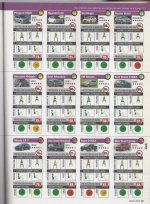
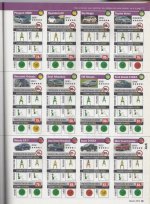
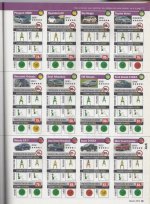
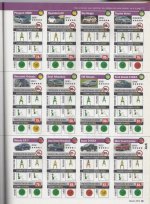
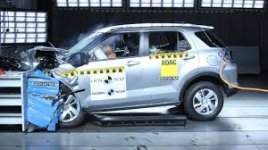
The Toyota Raize, produced in Indonesia, achieved one star. The Raize offers 2 airbags and Electronic Stability Control (ESC) as standard,achieved 40.54% in Adult Occupant, 71.57% in Child Occupant, 58.70% in Pedestrian Protection and Vulnerable Road Users and 58.14% in Safety Assist.
The car was tested in frontal impact, side impact, whiplash, pedestrian protection and ESC. The frontal impact showed unstable structure and marginal protection to driver chest.
Side impact showed marginal protection to the chest and a relevant intrusion in the passenger compartment, increasing the risks of injuries to its occupants. As side head protection is not standard, side pole impact was rated with zero points and penalized for the lack of head protection in front and rear rows. The car does not offer Speed Assist Systems as standard.
While Toyota offers ADAS technologies in this model for other markets, they are not offered even as optional for any of the Latin NCAP markets.
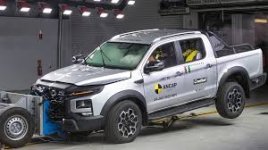
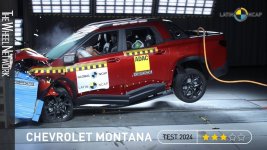
The Chevrolet Montana, produced in Brazil, achieved three stars. The Montana offers 6 airbags and Electronic Stability Control (ESC) as standard, achieved 79.18% in Adult Occupant, 71.08% in Child Occupant, 44.45% in Pedestrian Protection and Vulnerable Road Users and 65.12% in Safety Assist.
The car was tested in frontal impact, side impact, side pole impact, whiplash, pedestrian protection, speed assist and ESC. The protection to the adult occupants in the frontal crash test showed good to adequate protection with stable structure, good protection in side impact test and good head protection with marginal chest protection in pole impact test.
The car does not offer Autonomous Emergency Braking (AEB) even as optional and this limited the maximum achievable score. The protection to child occupants was low in the dynamic tests due to the decision of the manufacturer to place both dummies forward facing, not following global best practices that the same car maker strictly followed for other recent models with good outcomes and even when the Child Restraint Systems (CRS) recommended and used in the test allow them to be installed rearward facing.





 ]
] ]
]