ClioII
Well-known member
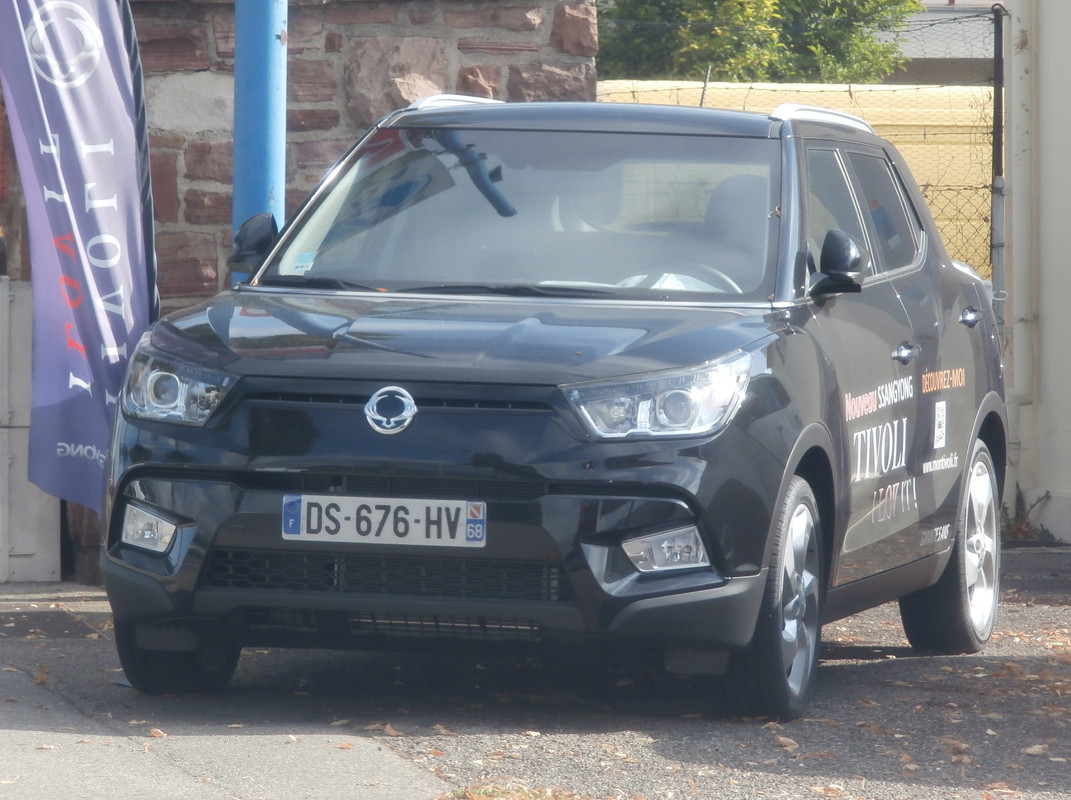
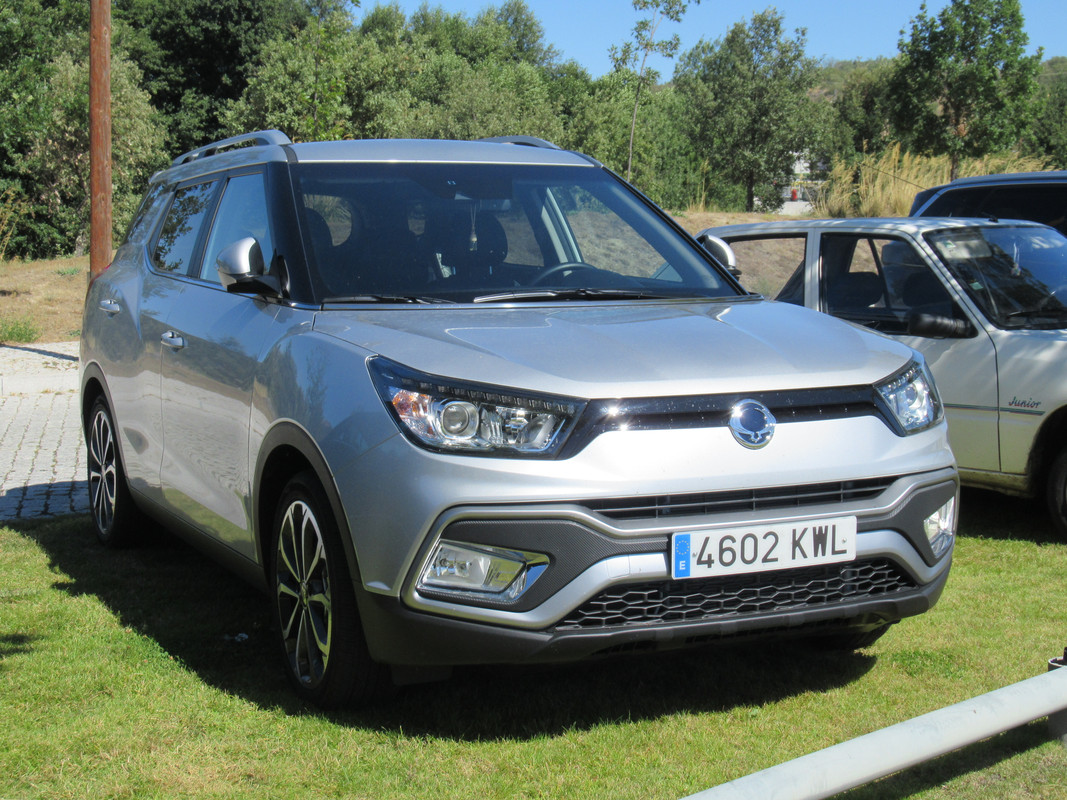
A frente parece saída de um camião...[]
Ligeira correcção para colocar as palavras por lapso omitidas:
"A frente parece saída de UM ACIDENTE COM um camião."
[
]
Acompanhe o vídeo abaixo para ver como instalar o nosso website como uma aplicação web no seu ecrã inicial.
Nota: Esta funcionalidade pode não estar disponível em alguns navegadores.
A frente parece saída de um camião...[
]
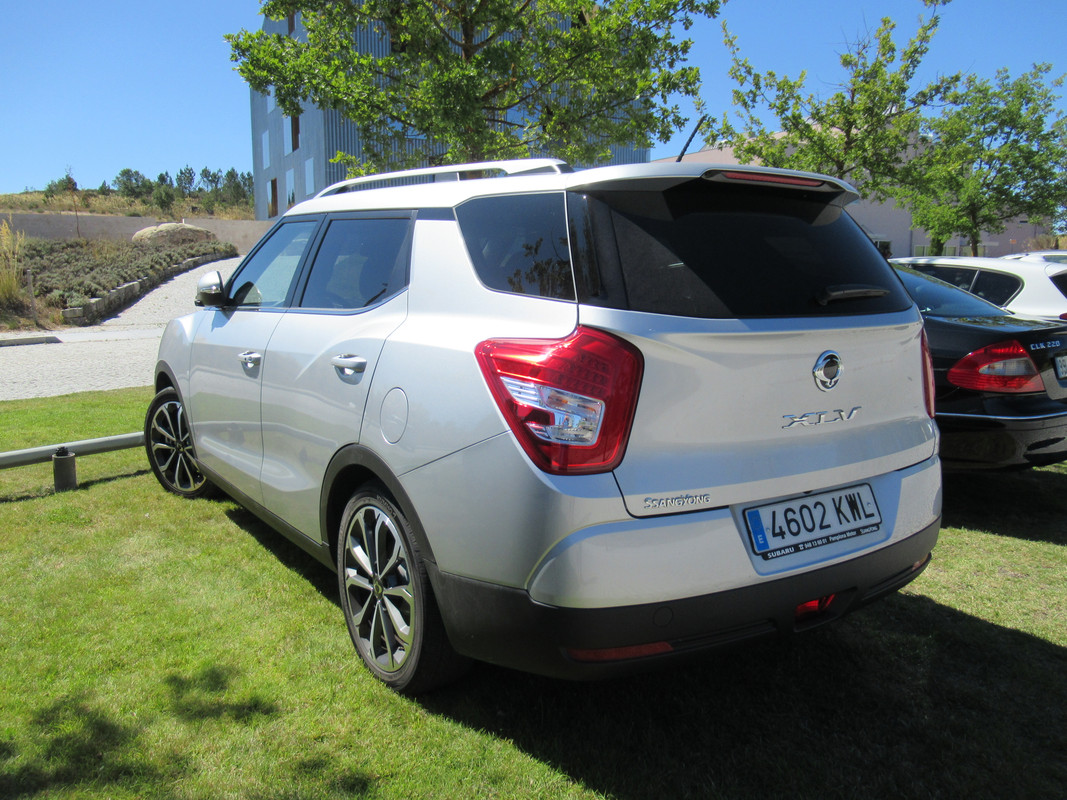
Achei interessante a forma como a mala de tejadilho está integrada no tecto!Ssagyong Rodius
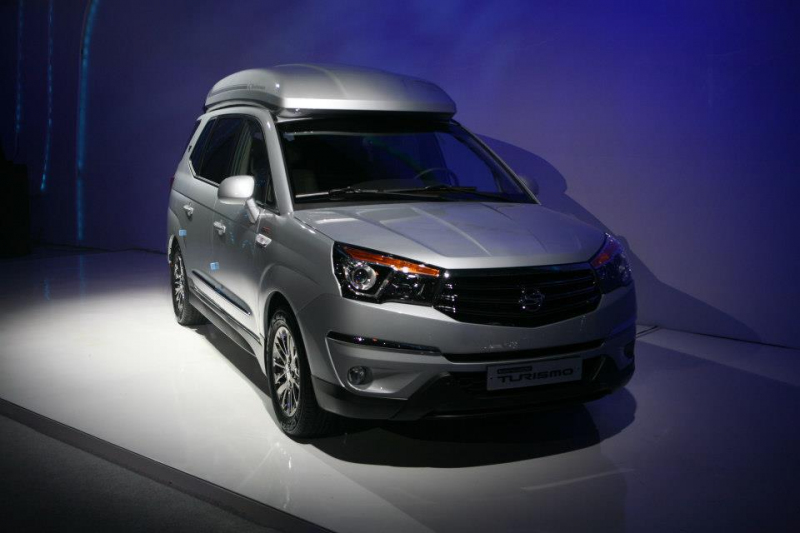
Jasus!! É mesmo grande. Nem uma Renault Master, p.e., parece ter tanto espaço. [
]
What is it?
The SsangYong Turismo is the kind of car to give new meaning to the phrase ‘a lot of metal for the money’. The artist formerly known as ‘Rodius’, this giant seven-seater is MPV, load-lugger and 4x4 all rolled into a package that is seriously cheap.
A fully loaded example will cost you less than a high-end VW Golf – and yet it’s longer than most large executive saloons, has the ground clearance to match many medium-sized SUVs, and even comes with a low-range transfer ‘box. An entry-level one will cost you only £18,000 at UK launch in August 2013.
Now under the auspices of Indian car-industry power Mahindra, SsangYong has had a chequered recent corporate history, but its brand identity remains the same: this is Korea’s 4x4 specialist.
The Rexton SUV is probably its best-known export in the UK, followed by the smaller Korando, but expansion plans are moving along to launch a similar model in the European ‘Crossover B’ segment to rival the Skoda Yeti and Vauxhall Mokka.
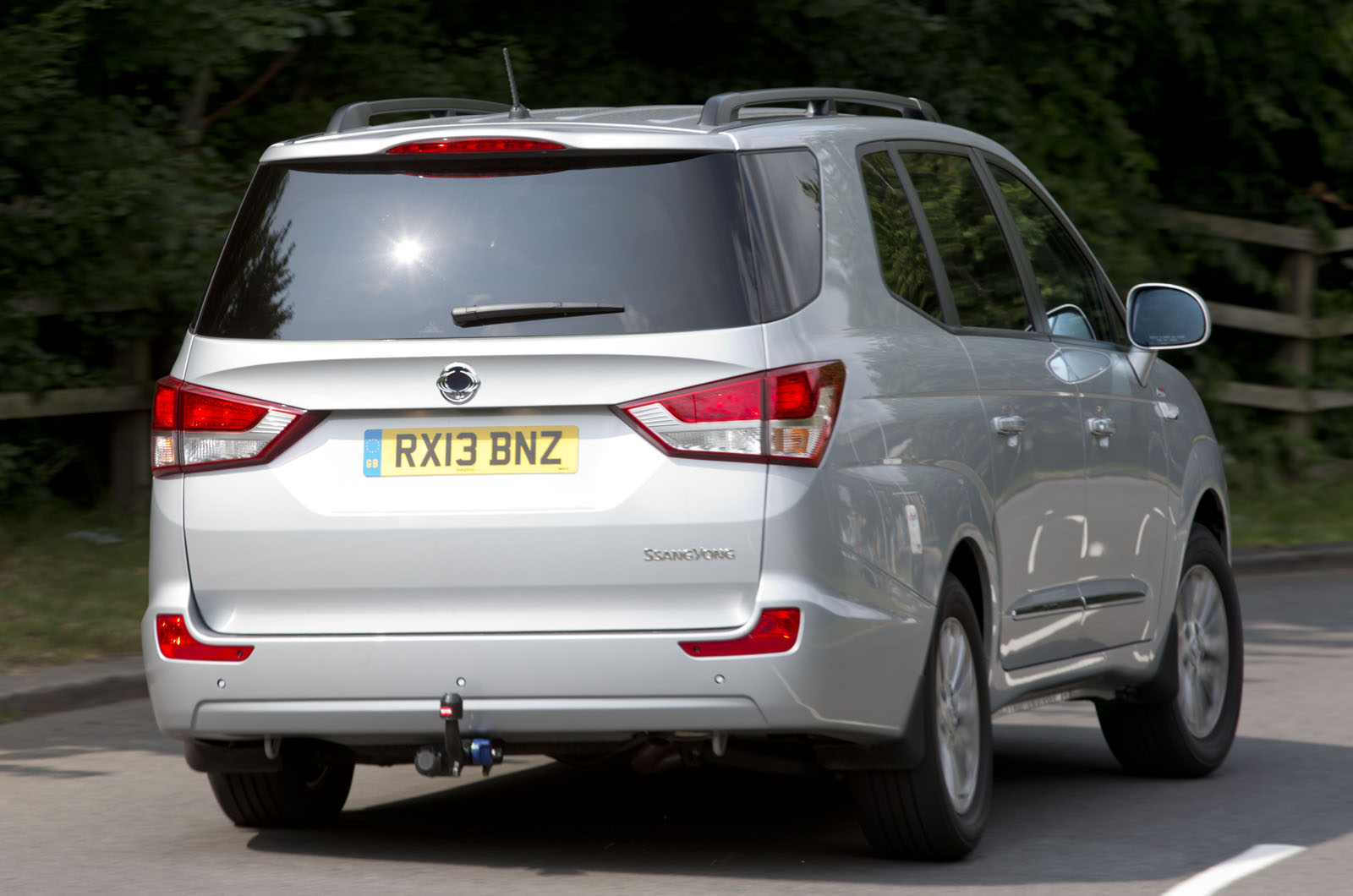
It has taken the decision to drop the ‘Rodius’ name for this generation, understandably given that the outgoing car’s styling earned it a reputation as one of the most unfortunate-looking new cars on the road. Which it thoroughly deserved, by the way. The new version, however, is something of a dramatic improvement. This is still too large and high-sided a car to ever look attractive, but more conventional window and light treatments now at least make it look normal.
What is it like?
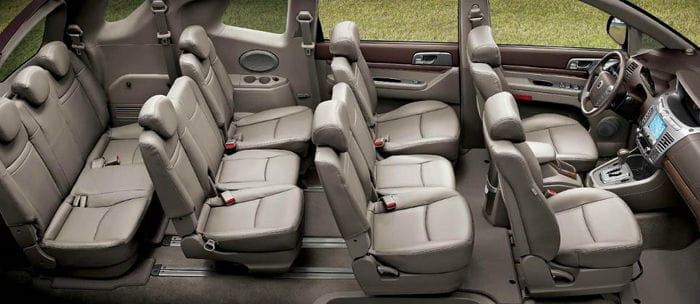
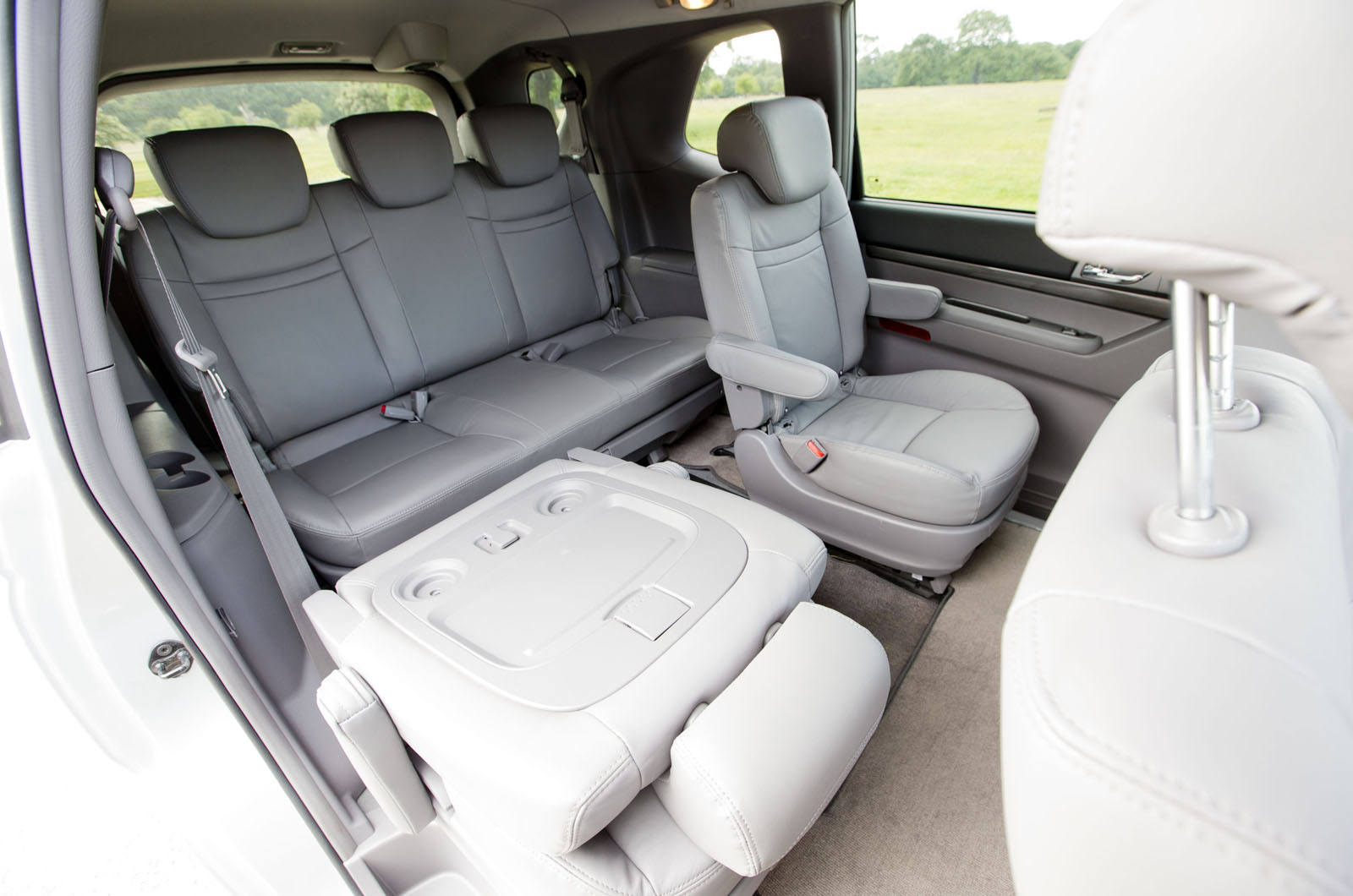
The car’s cabin is vast: big enough for two individual chairs in the second row, generously provided with head- and legroom, and a three-seater third-row bench that, even in place, leaves a boot the size of a small estate car’s: 870-litres up to the roof. The seats in the second and third rows are removable, so you can make more than 3000 litres of storage in the car if you need to. Meanwhile, up front, the driving position is comfortable, and the material quality robust, if a bit rudimentary.
The centrally placed instruments aren’t the easiest to read, and the row of warning lights immediately behind the large steering wheel has the potential to confuse. But apart from that, everything works fine, and can be found where you’d expect it. The top-spec EX-trim car comes with heated seats, satellite navigation and cruise control.
The Turismo’s platform survives from the Rodius. Acquired from Daimler Chrylser many moons ago, it originally served under a late 1990s Mercedes E-class, and is also used for SsangYong’s flagship saloon the Chairman. Suspension is via steel coils, with double wishbones at the front and multi-links at the rear. For this generation, however, SsangYong has dumped the old Mercedes five-cylinder turbodiesel engine and opted instead for its own 153bhp four-cylinder alternative. It mounts longitudinally and drives either the rear wheels, or all four, depending on which trim you go for.
Transmissions are a choice of six-speed manuals for the bottom two models in the range, or a five-speed automatic for the top two.
This feels like an enormous car on the road: there’s never any getting away from that. Not only long but tall, the Turismo suffers with generous body roll and not-so-generous roadholding. Added to that, it steers very slowly and with a little inconsistency of weight at times that borders on the awkward.

But the driving experience here is still closer to that of a Land Rover Discovery than your average panel van. Soft suspension tuning makes for plenty of ride compliance, albeit won at the expense of much in the way of wheel control, and mechanical refinement from the 2.0-litre diesel is quite creditable. The automatic gearbox shifts away smoothly, and so as long as you drive the car as you’ll naturally be inclined to – ie gently and entirely without gusto – the Turismo performs its function well enough.
The transfer case for the transmission has modes for two and four-wheel drive in high-range, and four-wheel-drive low range. We didn’t get the chance to test the car’s performance off-road, but while the ramp angles are all below 20 degrees, it’s got more than 170mm of ground clearance. Which is as much as many so-called off-roaders, and more than enough to deal with farm tracks and the like.
Should I buy one?
Despite the effective visual makeover, nobody’s going to a buy a Turismo for any other reason than necessity. If you’ve no call in your life for seven adult-sized seats, luggage space to spare and occasional rough-road suitability at a cut price, this isn’t the car for you.

But those who do need any of the above have no longer to feel quite so sheepish about ownership of this car: it’s perfectly competent, functional and quite sensationally good value. The 100,000-mile five-year warranty will even cover commercial use: good news for airport taxi drivers, that.
Price circa £24,000; 0-62mph tbc; Top speed 108mph; Economy 35.0mpg; CO2 212g/km; Kerb weight 2104kg; Engine 4 cyls, 1998cc, turbodiesel; Power 153bhp at 3400-4000rpm; Torque 266lb ft at 1500-2800rpm; Gearbox 5-spd automatic

Pois também fiquei a pensar "que raio, não posso conduzir isto ou já sou eu que não sei as regras".[Cá não terá, mais de 9 lugares implica tirar carta de transportes colectivos!
]
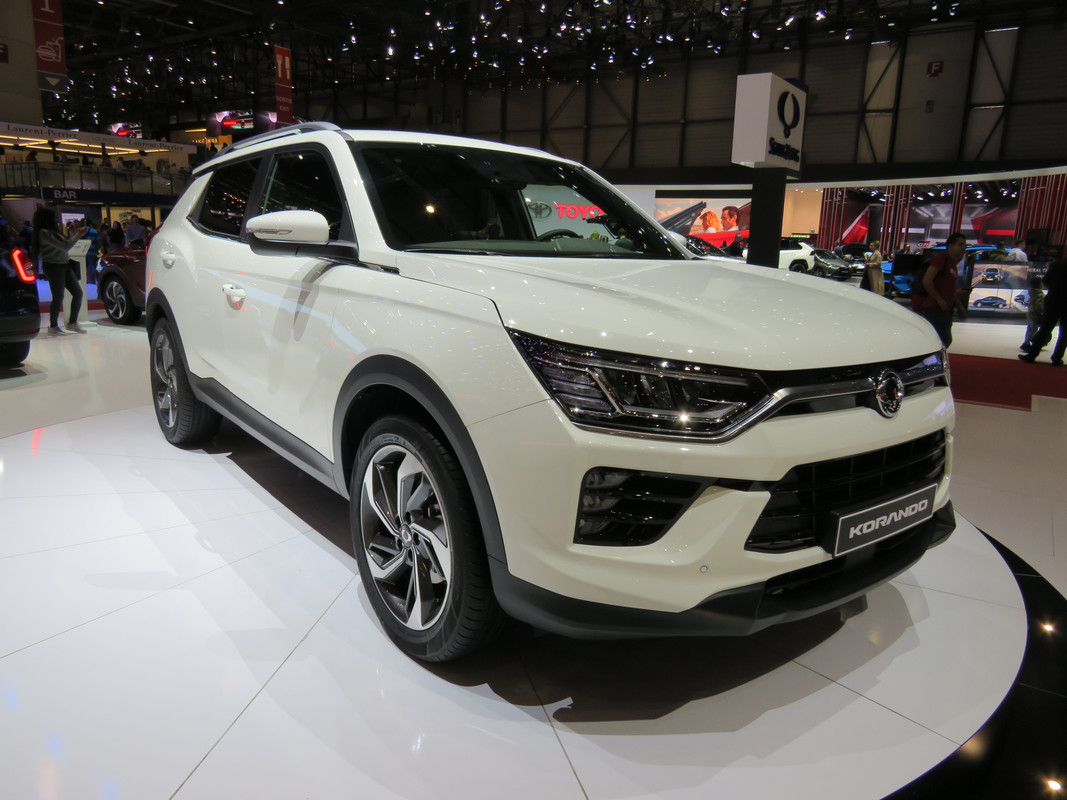
Oficial: Assim é o novo SsangYong Korando C
Ya sabíamos que era cuestión de unos pocos días y por fin aquí está el renovado Korando C que SsangYong acaba de poner a la venta en Corea del Sur. Mejora en prácticamente todo, resultando mucho más interesante que antes.
Exteriormente la nueva gama del Korando se reconoce por su frontal más cuidado. Las ópticas han sido rediseñadas e integran el sistema de iluminación diurna por LEDS mientras que los antinieblas ahora se alojan en un hueco específico en los nuevos paragolpes. La parrilla también ha sufrido alteraciones, consiguiendo en conjunto una equilibrada y más estilizada estampa.
Visto de perfil las modificaciones se limitan al empleo de nuevas llantas de aleación de diseño más deportivo, barras de techo y poco más. Tampoco se pueden hacer milagros sin necesidad de invertir grandes cantidades de dinero (que es lo costaría modificar cualquier pilar)
Con los cambios, el Korando C ahora es mucho más atractivo. El interior supone un gran salto adelante
En la zaga se ha recurrido a unas nuevas ópticas con tecnología LED -según versiones-, un rediseñado alerón con la tercera luz de freno integrada y el difusor posterior de nueva factura. Dependiendo del acabado, incluirá doble salida de escape cromada que logra un efecto más "dinámico".
A los acertados cambios exteriores hay que sumar un habitáculo ahora mucho más agradable y mejor presentado. El diseño se ha modificado por completo y salvo la instrumentación y el volante, todo es nuevo. La consola central, salidas de aire y mandos de climatización consiguen un efecto más moderno mientras que los materiales empleados, de superior calidad según indica la marca, son más agradables al tacto. Lo que peor le sienta al nuevo modelo es el volante, idéntico al modelo vendido hasta la fecha y que tiene un diseño algo datado.
Las posibilidades de equipamiento son muchas. Por primera vez puede incluir un sistema de sonido Infinity, sistema de arranque por botón, acceso sin llave, control de presión de los neumáticos, sistema de navegación con acceso a internet, asientos delanteros ventilados y parabrisas delantero térmico. Esto se une a los cuatro asientos calefactables, cuatro elevalunas eléctricos "un toque", el control de velocidad, control de estabilidad y de descensos, etc.
Aunque para Corea del Sur no se contempla ninguna opción en gasolina, en Europa debería seguir el G20D de 149 CV
En Corea del Sur sólo se ofrecen con motor diésel. Partiendo del bloque D20T de dos litros, el cliente puede elegir entre una versión "ECO" con 149 CV o el normal que ahora desarrolla 181 CV. La transmisión es manual de seis velocidades en el pequeño y automática también con seis relaciones en el 181 CV. En este último caso, la caja recibe modificaciones para conseguir reducir los consumos y suavizar las transiciones. Otra novedad es que pueden seleccionarse los modos ECO y Sport, cambiando la gestión según sea el elegido. Los consumos en relación al anterior Korando se han reducido bastante, y muestra de ellos es que en el mejor de los casos las emisiones se reducen hasta los 112 g/km de CO2. Dado que la homologación surcoreana no es idéntica a la europea, de momento tendremos que esperar para conocer las cifras definitivas.
Como en la versión saliente, el nuevo Korando C se podrá solicitar tanto con tracción delantera como con la AWD. En este último caso incluye el control de descensos y un ESP con calibrado específico. Lo mejor del SUV compacto es que pese a las mejoras ha reducido su precio en todas las versiones, resultando mucho más competitivo, al menos en Corea del Sur. Las tarifas arrancan en los 20.710.000 wons, unos 13.933 € al cambio actual.


Já nem me lembrava do tópico da minha marca favorita.[]
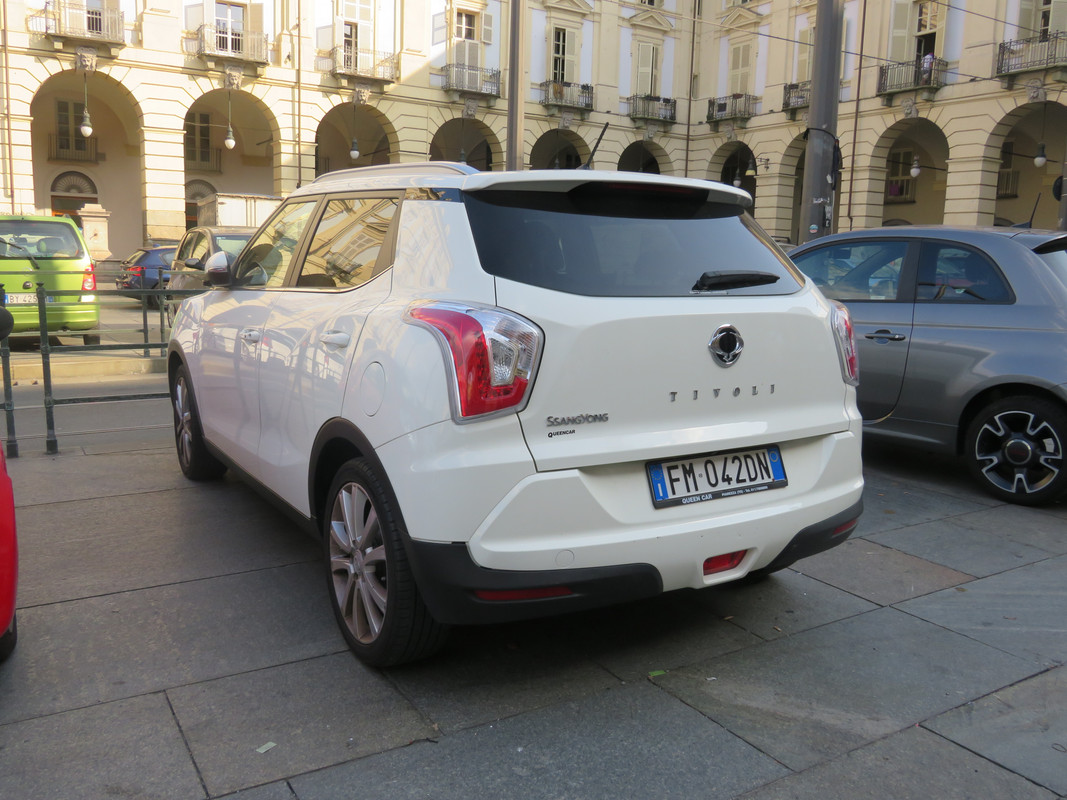
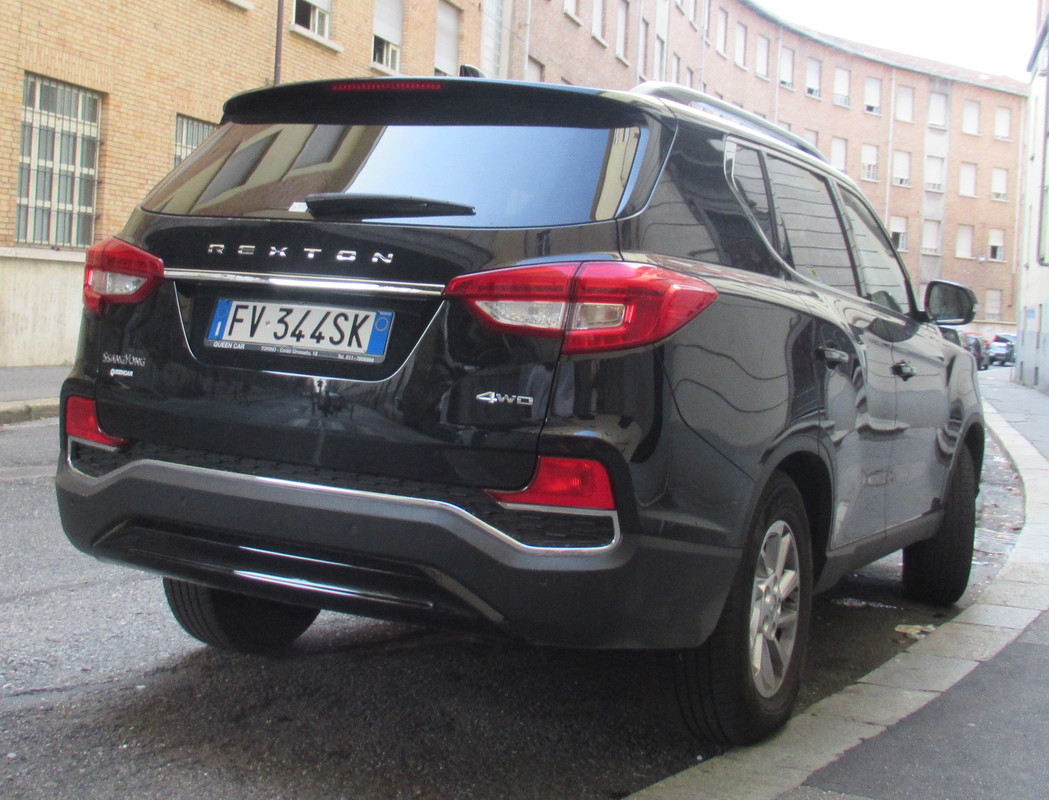
Essa traseira é cópia do Ford Explorer.
 ]
]
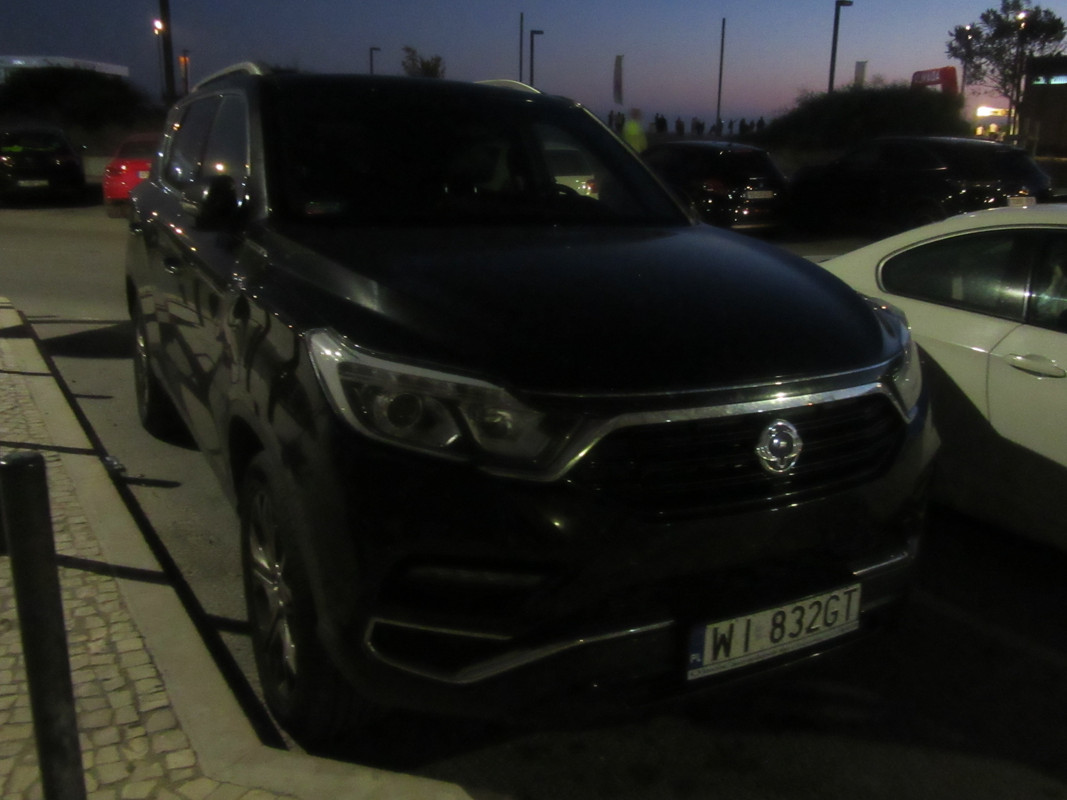
O que é que está do lado direito na foto de frente?
Genesis GV80? GV70?