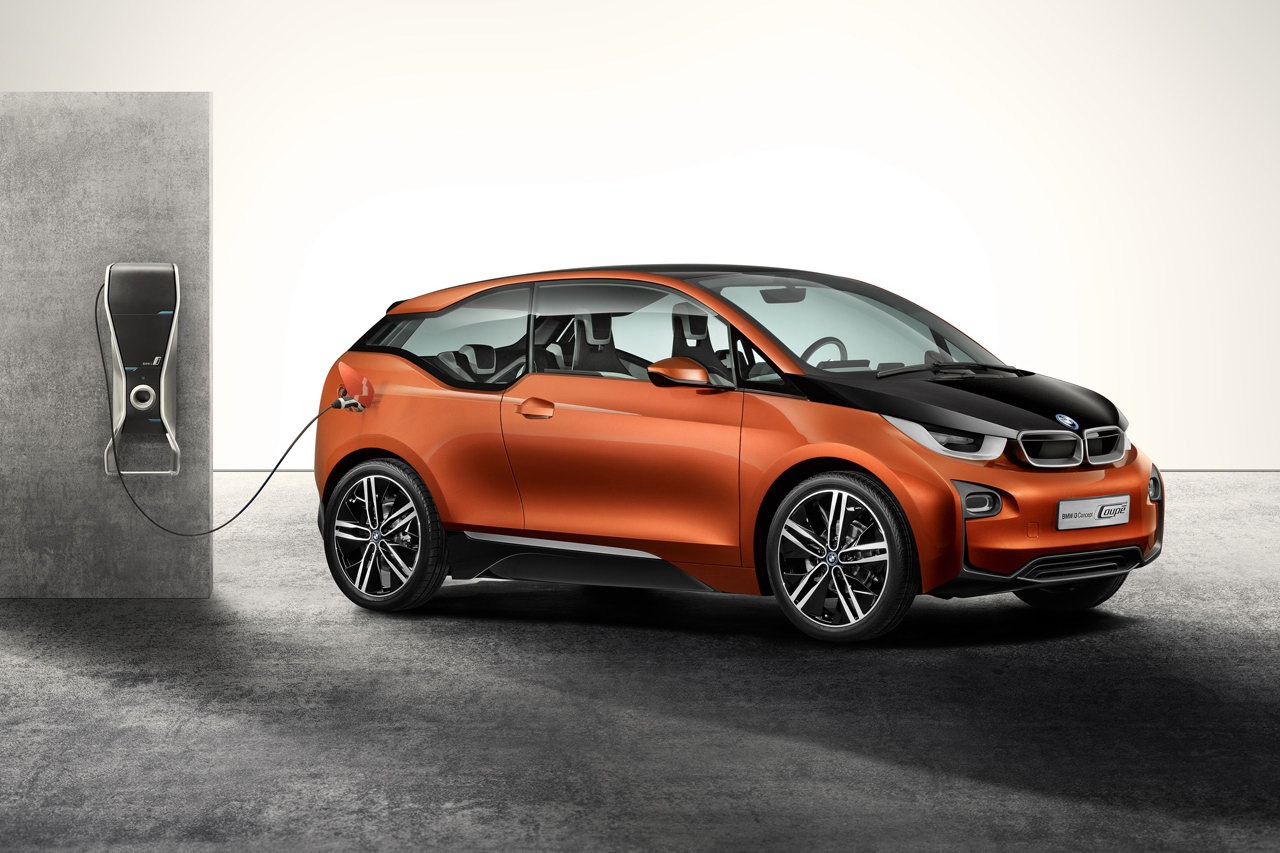
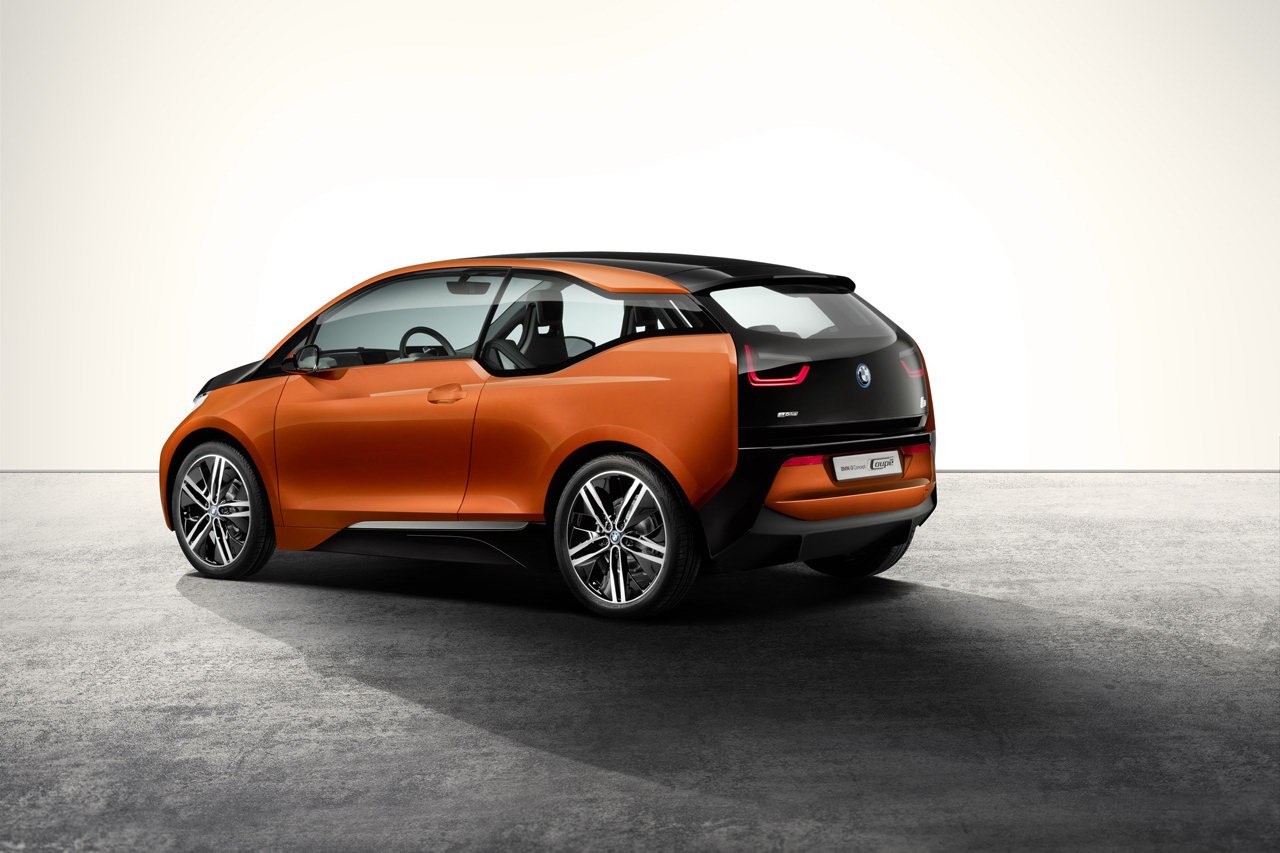
BMW MegaCity - i3

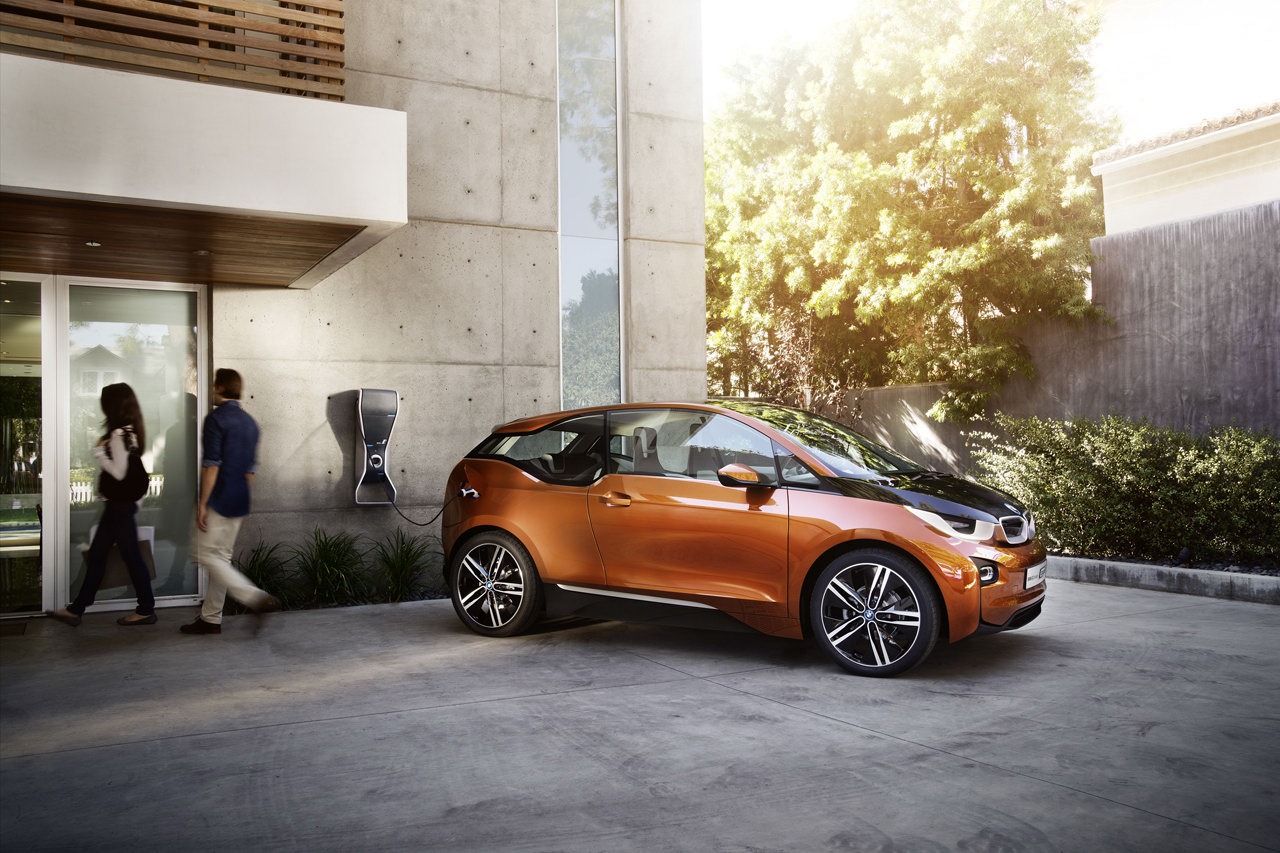
Imagens do modelo de produção que será apresentado nos Jogos Olímpicos de Londres do próximo ano.
BMW_i3_spyshots_11-2011_01.jpg
BMW_i3_spyshots_11-2011_02.jpg
BMW_i3_spyshots_11-2011_04.jpg
BMW_i3_spyshots_11-2011_06.jpg


Quando o motorista for atestar o depósito com uma bejeca, eu prometo que vos trago imagens do interior do carro.[:p]
 
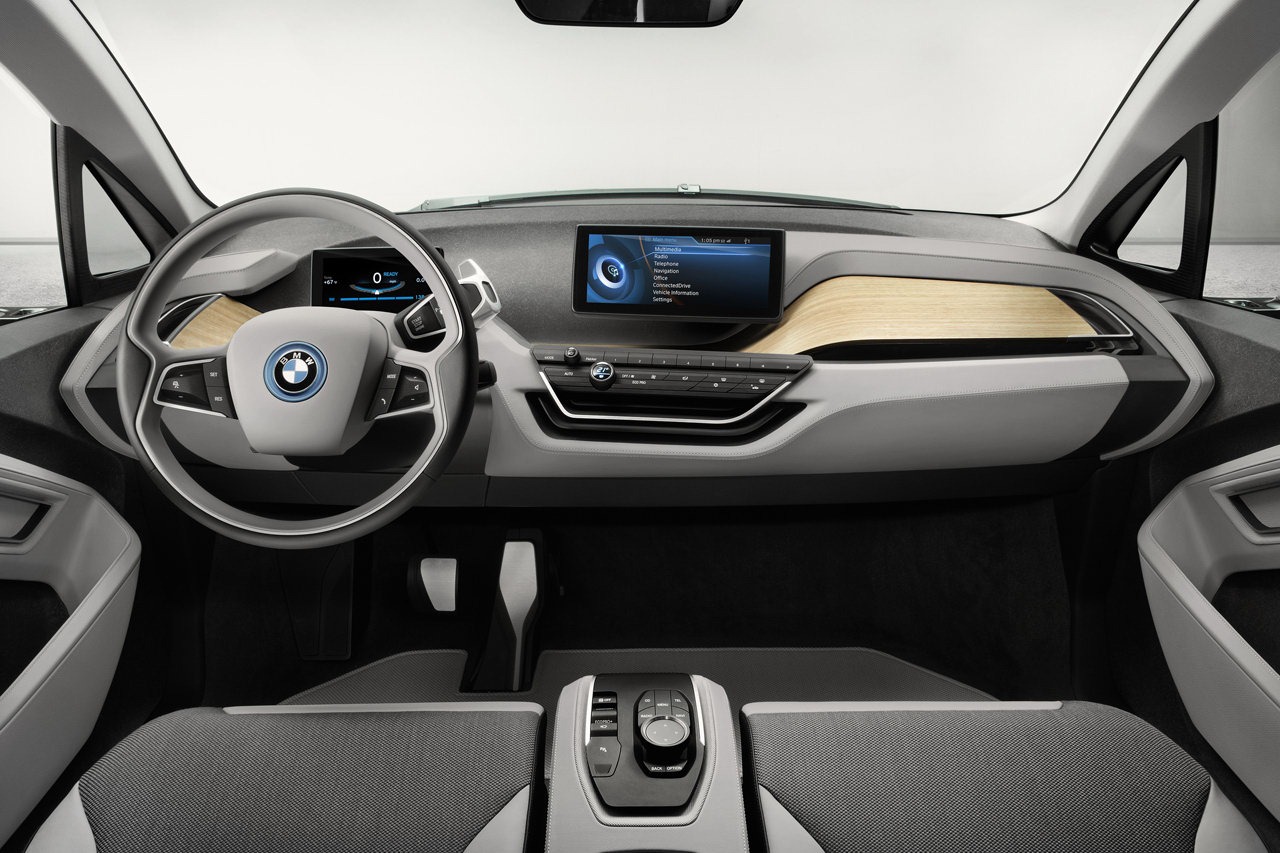
BMW i3: um novo interior mais sustentável

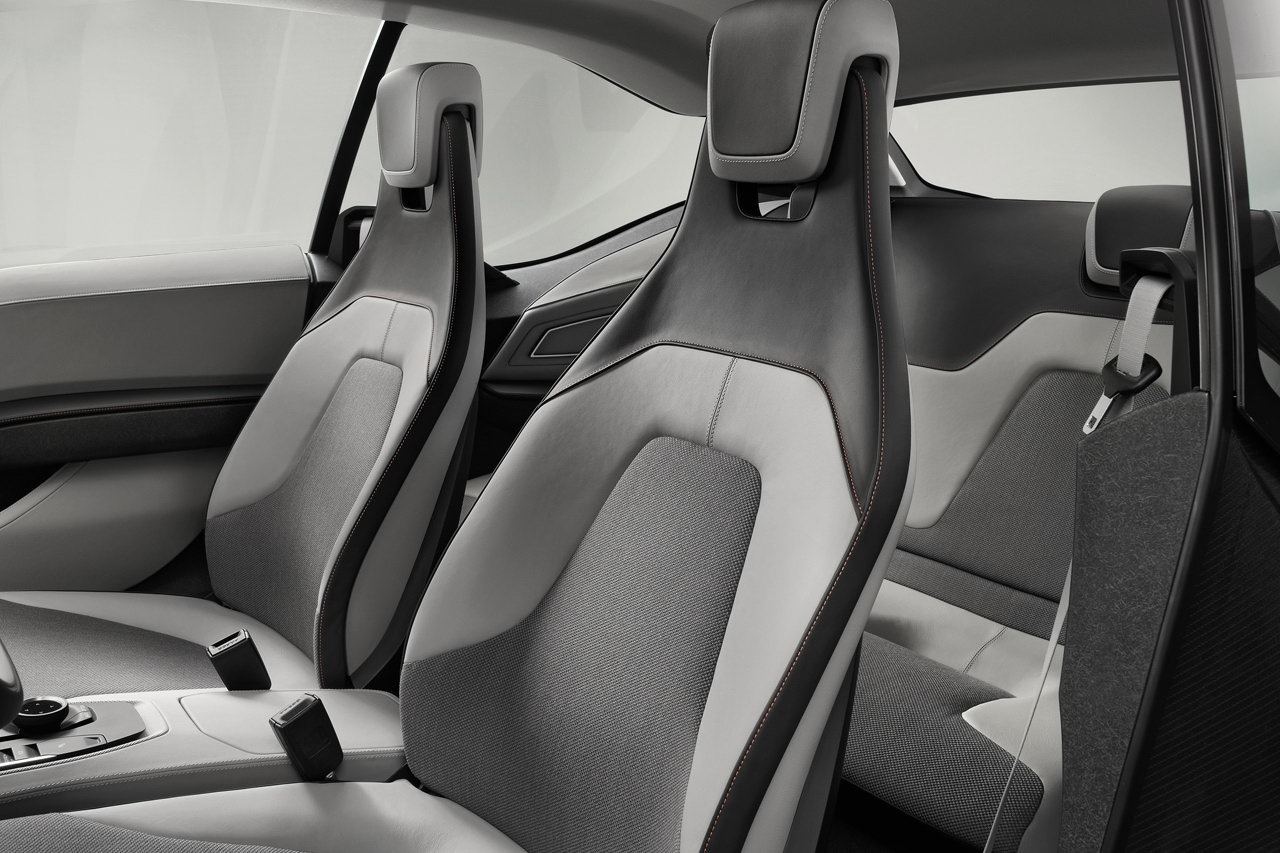
En el acto de apertura, además de señalar la importancia de la ciudad de Londres como escaparate internacional, más aún si tenemos en cuenta la masiva llegada de público de casi todo el mundo con motivo de las olimpiadas, BMW nos dejó con un nuevo interior para el BMW i3, un interior que refuerza aún más la sostenibilidad a través de los materiales empleados.

BMW_parklane_9.jpg


Cuero madera y lana encabezan la lista de materiales empleados en el nuevo interior del BMW i3, donde se ha cuidado la sostenibilidad hasta en el más mínimo detalle. La madera es de eucalipto y llega de Europa para reducir al mínimo posible la distancia de entrega entre el punto de origen y el centro de producción. Además, esta madera de eucalipto se obtiene de bosques con una gestión sostenible y si has sido lo más ecológico posible en el proceso de obtención y transporte, también lo tienes que ser en el tratamiento, recurriendo a materiales naturales para ello.

BMW_parklane_10.jpg


Junto a esta madera de eucalipto, olivos, pero no para más detalles en madera, sino para tratar el cuero del interior, dándole la tonalidad y protegiéndolo de la pérdida de color y desgaste gracias al aceite de oliva. Por último la lana, encargada de ofrecer una mayor sensación de calidad para los detalles del habitáculo del i3.

Via BMW inaugura un centro i en Londres y nos presenta a la i Pedelec y un nuevo interior para el i3
 
Gavin Green on the world’s first good electric car
By Gavin Green
09 August 2012 10:24


After more than 100 years of electric car dross, at last there’s a good one.
The BMW i3, likely to go on sale late next year, is the first intelligently conceived electric car I have experienced. Rather than just a ‘normal’ car that is converted to run on electric power (step forward most EVs now on sale) or a ‘bespoke’ EV that carries too much petrol car baggage (step forward the Nissan Leaf), the i3 is new from the ground up and new in engineering philosophy. It’s different in packaging, construction and materials (it may well revolutionise the use of carbon fibre in the auto industry).

EVs are compromised by their petrol car legacies
It starts with a dedicated EV architecture rather than a redundant internal combustion car layout – one of the many failings of the Leaf, C-Zero, Focus Electric, Peugeot iOn and nearly every other EV on sale today (and one of the many failings of the majority of EVs that have been sold in the past, stretching right back to the 19th century).

Borrow a ‘normal car’ body and style, and you’ll have an engine bay that’s too big (electric motors are smaller than internal combustion engines and don’t need all their pollution and cooling plumbing; nor do they need big bulky bolt-on gearboxes; nor should they necessarily be sited in the nose).

You’ll have radiator inlets that are too big (EVs need less cooling). You’ll inherit a heavy steel body, when weight is one of the big EV bugbears, destroying performance and range. You’ll probably get a floorpan compromised by its need to house a large exhaust structure (unnecessary in a purpose-built EV).

In the same way that the very first motor cars were really ‘horseless carriageways’ – because their style was based on the outgoing form of horse-drawn transport – so these early 21st century EVs are architecturally based on the ‘outgoing’ mode of transport (petrol cars). What’s needed is ‘think different’ mentality. The BMW i3 finally delivers it.

Can the i3 kickstart EV sales?
I don’t know how many they’ll sell – nor, I suspect, do BMW. The current pathetic sales of EVs in all major markets (US, China, UK, Germany etc) do not bode well. But current EVs sell poorly because most of them are rubbish.

The i3 is different. Apart from the brilliant but minority appeal Renault Twizy (which I love) this is the first production electric car that really shows engineering genius.
It may be a year away from sale but you can see it in a showroom today – at BMW’s new i Store in Park Lane, London. See it and, very possibly, glimpse the future.
in CAR

Apesar de ser redutor o motivo do insucesso dos EV's que ele refere, maior parte do texto está correctissimo.
Algo que já tinha indicado quando se conheceu o i3 e o i8.
Criar soluções novas para se adaptar a novas realidades é o caminho a seguir.
Não é pegar em embalagens concebidas com propósitos distintos e esperar que funcionem bem com outro conjunto de entranhas.

E o i3 e i8 mostram caminhos bastante excitantes.
SUbstituem a monocoque por uma celula em fibra de carbono suportada por subestruturas em aluminio para "crumple-zones" e mecÂnica.
Deram passos de gigante na viabilidade industrial da fibra de carbono.
Os packagings são bastante mais adequados às escolhas motrizes para os mesmos.
Abandonando a monocoque permitiu também explorar outros caminhos para a definição da pele do veículo, criando resultados estéticos inovadores (sobretudo o i8. O i3 continua a parecer-me uma adaptação visual forçada ao que foi conseguido no Vision ED).

Não significa que seja "O" caminho a seguir. Mas pelo menos, ao contrário de todos os outros (e incluo a própria BMW), revela possibilidades projectuais, materiais e conceptuais que possam tirar a generalidade da industria do marasmo em que se encontra.
Esperemos que os outros estejam atentos e façam tão bem ou melhor. Ou apareçam com soluções distintas mas igualmente viáveis.
 
BMW gets "Born Electric" on tour, lays out electric vehicle, carbon fiber plans

For the Los Angeles Auto Show next week, BMW will show off a new i3 concept – "admittedly a tease," we were told – and not some sort of plug-in i4, as had been rumored. While we won't be seeing the production version of the city electric, the good news is that each iteration of the concept does bring us closer to the production version. For example, the i3 on display in New York as part of BMW's "Born Electric" tour last week still had glass doors. It's pretty obvious that the production version won't keep this feature. The new interior (first seen at the recent Paris Motor Show) is also more in line with what will be on sale a year from now. The message here? BMW is getting real with its i line of electric vehicles (EVs).

BMW's first two EV programs – the Mini E and the Active E – were both glorified test programs, but now BMW will want to sell larger numbers of plug-in vehicles, with the i3 due in late 2013 and the i8 in the first half of 2014. The clearest sign that BMW is serious is the carbon fiber reinforced plastic (CFRP) LifeDrive body that was on display in New York. After all, you don't start putting seat anchors into body shells if you're not planning on having people actually ride in them some day.

As you can see, there is no B-pillar in the i3. That speaks to the strength that CFRP offers, but it also saves weight. And that's a really big deal when you start dealing with plug-in powertrains. In a straight comparison, CFRP is roughly 30 percent lighter than aluminum and 50 percent lighter than steel. For the i3, BMW said that a traditional body would be around 660 pounds heavier. Using CFRP, BMW can thus introduce a gas-electric (or pure electric) powertrain, which includes the heavy battery pack. CFRP even performs great in a crash, since it's really a tiny net and so can absorb more collision energy than hard materials like steel.


Someone at BMW even gave these parts a clever name: LifeDrive. The "life" part refers to the body, where the passengers, um, live, and the "drive" refers to the powertrain. Like skateboard vehicles, the drive can stay the same (or similar) while the life model is changed. As you can see in the picture for the i3 LifeDrive above, BMW has left room for a range extender. This is because the i3 will be available with a range-extender as an option as soon as it goes on sale, should buyers think a pure electric i3 not fit their needs. Things like cost were left unspoken. All we know for now is that the i3 will be "below the 5 Series" in price.

Another aspect of BMW's i project are a suite of mobility apps. Like other automakers, BMW is realizing not everyone wants to own a car, but we do want to move around. To that end, BMW has a car-sharing app, DriveNow, and a parking app called ParkNow, which attempts to minimize the approximately 30 percent of city driving that is just people looking for a parking spot. There is also MyCityWay, Park At My House, Embark (a public transportation app) and a partnership with Chargepoint. It's a brave new world.
in autobloggreen

bmw-carbon-fiber-reinforded-plastic-body.jpg


Como não se pode gostar da fibra de carbono?
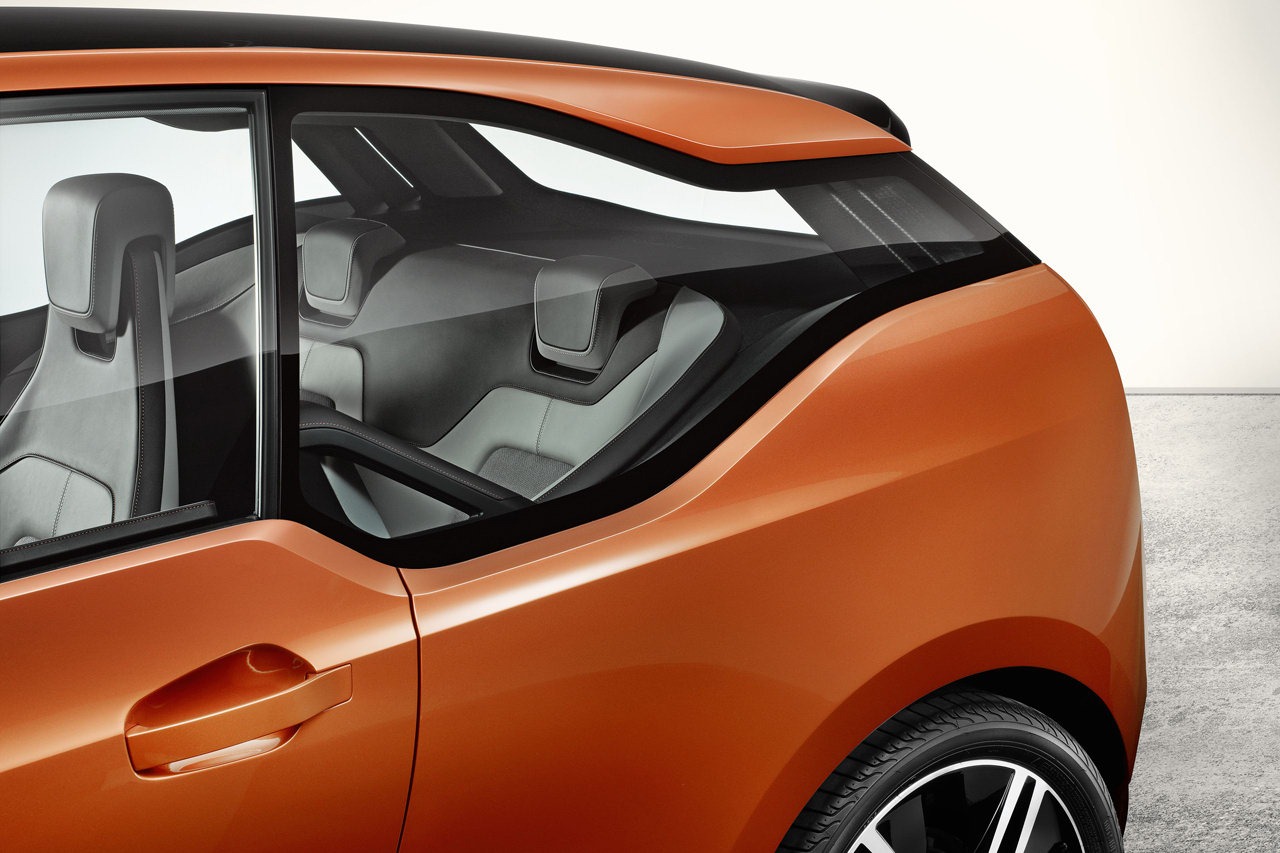
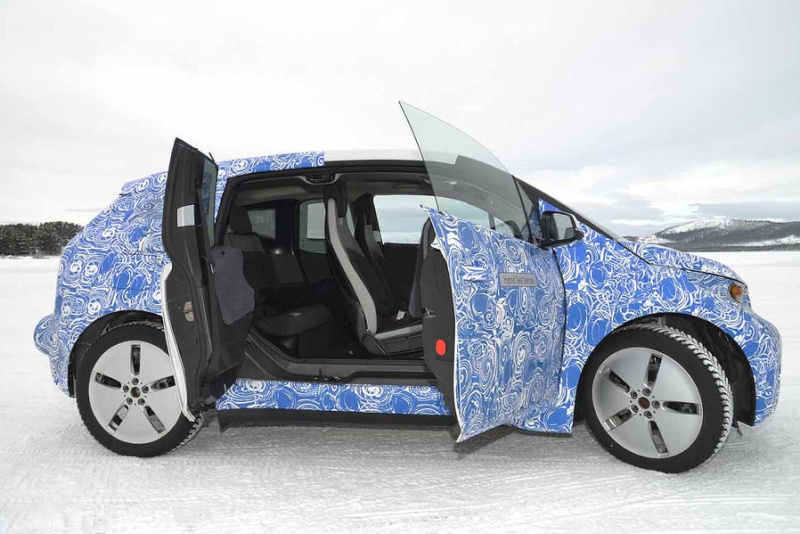
Pilar B ausente e pilar C tripartido, sem perca de integridade estrutural e sem necessidade de portas de espessura generosa para compensar.[:cool:]
As possibilidades que a fibra de carbono permite na elaboração do design são realmente fantásticas.

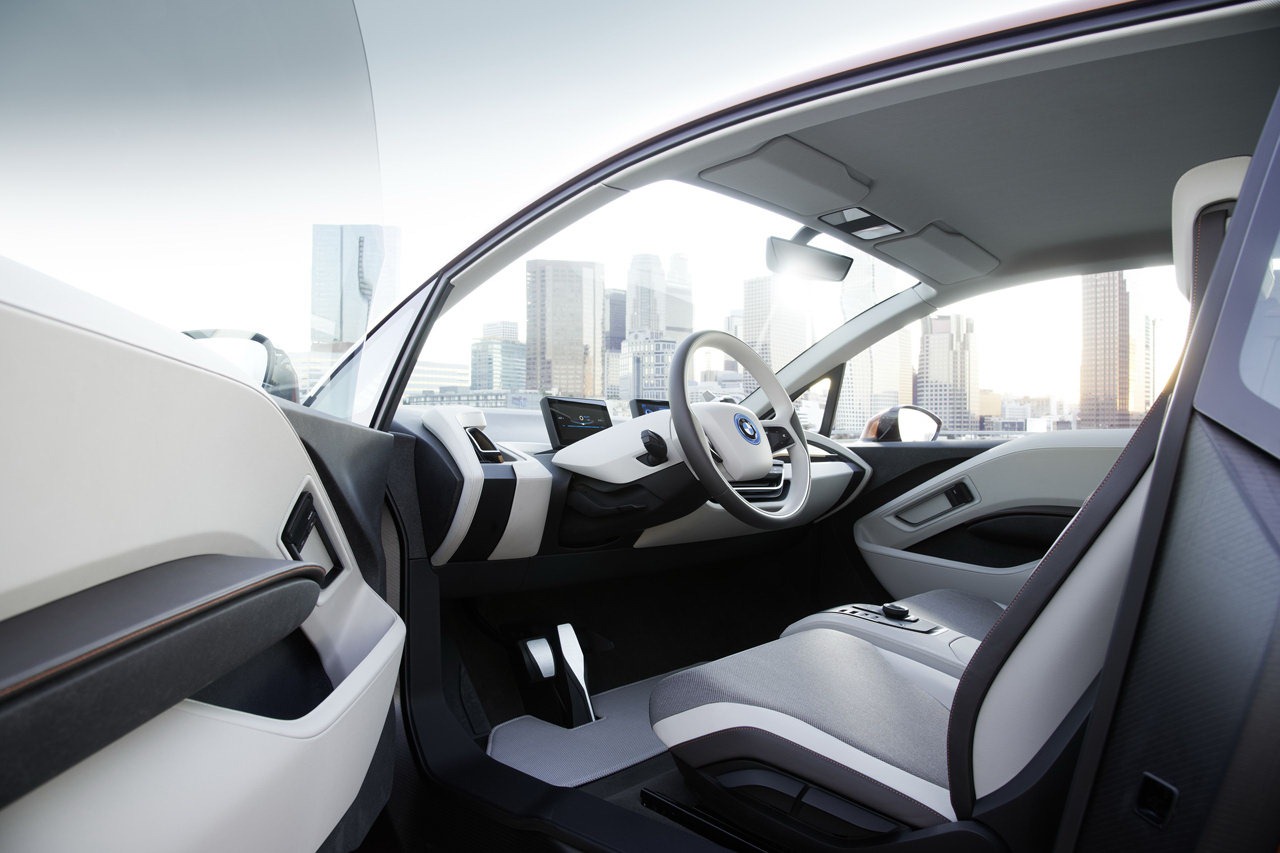
O interior também é uma interessante alternativa ao que existe agora por parte da indústria.
Já se confirmou que o interior deste concept será essencialmente a mesma coisa no carro de produção (segundo a BMW, este concept representa 90% do modelo de produção).
Nem sequer parece algo muito "germânico". Encaixaria mais depressa este interior numa criatura sueca.
Mas não interessa, o interior, como todo o restante projecto é, já faz muito tempo, uma das abordagens mais inovadoras ao futuro do automóvel.

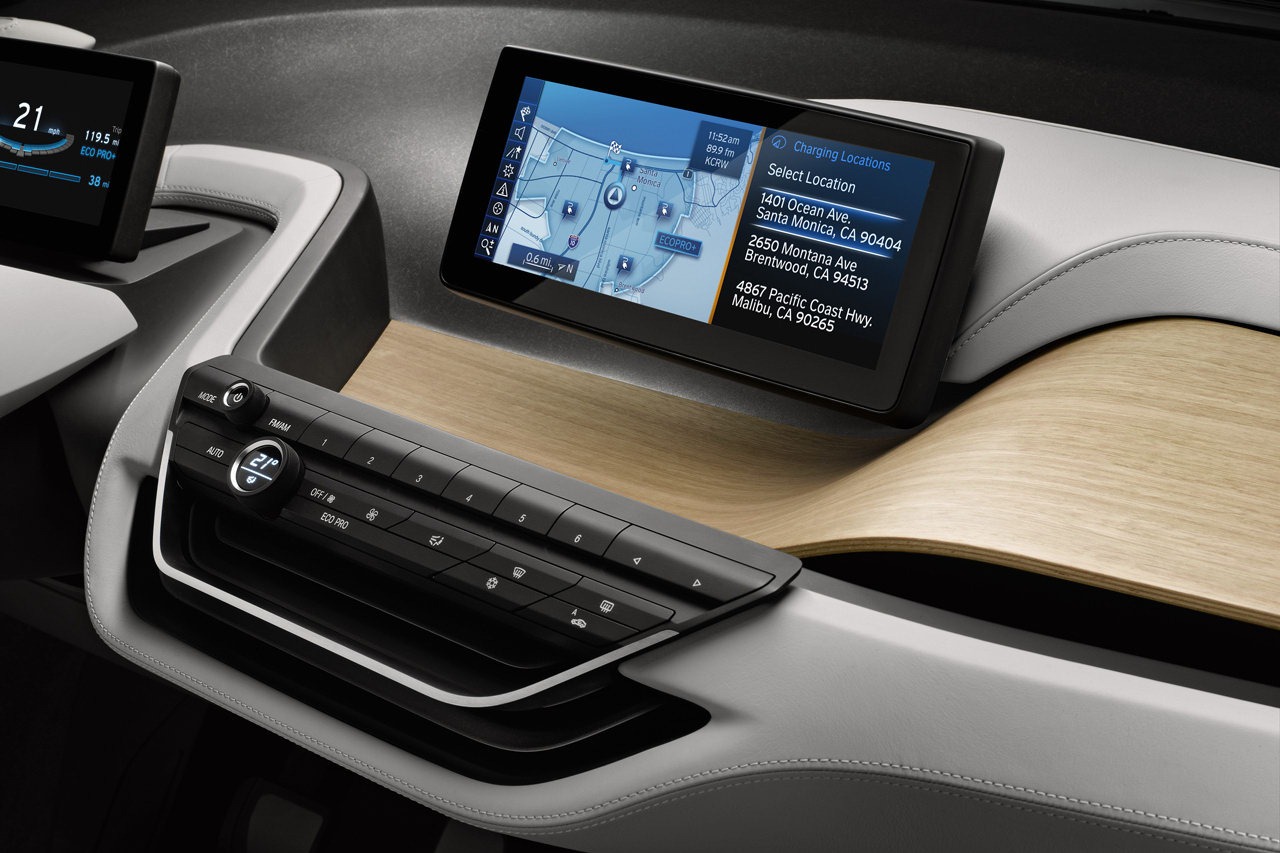
Não foca num determinado aspecto, como um novo material ou nova motorização, mas a gama "i" estabelece uma abordagem holistica, procurando reinventar a forma como se concebe e produz-se o automóvel, experimentando com novos materiais, packaging, estrutura, materiais, design, até a forma como interagimos com ele, nesta era de smartphones e tablets...

Verdadeiramente entusiasmante.
 
Também fiquei surpreendido por ter mantido a rigidez.. Mas penso que faz mais falta diminuírem o pilar A. Há algum tempo que ando a pensar em alguma maneira de o retirar, mas como é um grande absorvedor (?!?) de energia em choques frontais, não sei se haverá alguém que o retire.
 
xMmqk.jpg


Com chegada agendada para o fim do ano e comercialização no início de 2014, o i3 será o 1º projeto elétrico da BMW a chegar à estrada, abrindo caminho para uma gama que se espera venha a ser vasta (dependendo da aceitação dos consumidores).

Com um comprimento de 3,84m e uma enorme distância entre eixos de 2,57m empurra as rodas para os extremos da carroçaria, terá capacidade para 4 ocupantes.
A capacidade da bateria providenciará uma autonomia entre os 130-160km.

Graças à utilização na célula do habitáculo de uma resina reforçada em fibra de carbono e plásticos duros, será possível obter um peso final d apenas 1.250kg.

A potência das baterias é de 170cv e 225Nm montadas sob o eixo posterior permitindo uma aceleração 0-100 em apenas 7,9s, e uma velocidade máxima d 150km/h.
Fonte: Quattroruote gennaio 2013
 
BMW i3 - First Driving Impressions

BMW-i3-first-ride-3332q-655x433.jpg

At the same event where the i8 was handed over to the media, the BMW gave the journalists the opportunity to experience the i3 megacity city from the passenger seat.
Autocar UK reports their findings:
My chauffeur Patrick Mueller, head of BMW i drivetrain development, reveals the i3 is much like the BMW 1-series ActiveE in the overall character of its power delivery, with a heavily sprung throttle feel, instant acceleration and an aggressive recuperation mode aimed at recovering as much kinetic energy as possible. “It’s an approach that will set our cars apart from the electric car competition,” he When the driver backs away from the throttle the electric motor acts as a generator, providing sufficient levels of retardation that the brakes are rarely required. It’s so aggressive that BMW has programmed the LED imbued brake lights of the i3 to illuminate when you lift the throttle.

It doesn’t take long to realise the BMW i3 is already at an advanced state of development. The prototype I rode in felt solid, even if there was the odd rattle from the makeshift disguise covering parts of the interior. What really grabbed my attention, though, was its overall agility and, in trying conditions with those narrow tyres, excellent traction. Watching on as Mueller drove the prototype down slip lanes, over steep gradients and around the car park of BMW’s winter test facility, it appeared to possess all the qualities that will be required to make it suited to city use, including an excellent turning circle of less than 10 metres diameter.

If our time spent in the passenger seat as BMW’s engineers put the tall five-door hatchback through its paces on a frozen Swedish lake told us anything, it’s that the i3 will not only provide a high level of maneuverability but should also prove an entertaining proposition on less-congested roads as well.
 
Voltar
Superior