Piston HeadsAfter waiting more than 35 years for a true Jaguar E-Type successor, the emergence of official F-Type pictures this week deserved some recognition. Moreover, the F-Type is a 21st century intepretation of its legendary forebear, so it seems appropriate to celebrate with some 1950s film.
Now, there's lots of E-Type footage on YouTube from events such as the Goodwood Revival and Silverstone Classic. Very nice much of it is too, but perhaps a little predictable for discerning PH viewers.
So how about some footage of the first E-Type prototype? Having been built in 1957, E1A was scrapped long before the first production car emerged from Coventry; consequently, little is known of it. Even this clip has attracted less than 1700 views in two and a half years.
But it really is a fascinating car and story. The full details can be discovered in the video, but E1A was two-thirds the size of the first production E-Type, and incorporated exisiting ideas from the D-Type with the new design ideas of Malcolm Sayer. It resembles something of an E-Type embryo; the basic shape is there but it's bereft of the final details and still needs to grow.
The clip also documents the opinions of legendary Jaguar test driver Norman Dewis, who famously drove an E-Type from Browns Lane to the Geneva Show in about ten minutes. Apparently, E1A felt "very twitchy" and "like it was being steered from the rear". Watch the vid of it on the test track and you'll see what he means. Lairy oversteer appears to be its default mode on anything other than a ruler-straight road. Clearly, while the styling was nearly there, the E-Type's handling still required some finessing in the late 1950s...
Take a seat and brush up on your Jaguar history. For those of you lucky enough to be contemplating an F-Type, here's where it all began.

Instale a aplicação
Como instalar a aplicação no iOS
Acompanhe o vídeo abaixo para ver como instalar o nosso website como uma aplicação web no seu ecrã inicial.
Nota: Esta funcionalidade pode não estar disponível em alguns navegadores.
Está a usar um navegador desatualizado. Pode não apresentar este ou outros sites corretamente.
Deve atualizar ou utilizar um browser alternativo.
Deve atualizar ou utilizar um browser alternativo.
Tópico Jaguar
- Iniciador de tópicos JeTBoy
- Data de início


BLADERUNNER
New member
Jaguar Land Rover to share platforms

Numa perspetiva de redução de tempo de desenvolvimentode e de custos, a Jaguar e a Land Rover estão a planear partilhar as suas plataformas e reduzir das atuais 7 para 2 ou 3.
Numa perspetiva de redução de tempo de desenvolvimentode e de custos, a Jaguar e a Land Rover estão a planear partilhar as suas plataformas e reduzir das atuais 7 para 2 ou 3.
BLADERUNNER
New member
Jaguar XK120 Roadster (1949-1954)


BLADERUNNER
New member
No final de 2013 voltam as caixas manuais.
Autohoje - Jaguar regressa às caixas manuais
O F-type (na imagem), que deverá chegará a Portugal no verão de 2013, deverá ser o primeiro modelo da Jaguar a receber a nova geração de caixas de velocidades manuais do fabricante, de acordo com informações avançadas pela Autocar. Contudo, este regresso da Jaguar às caixas manuais não deverá coincidir com o lançamento do novo roadster de dois lugares, devendo consumar-se apenas mais para o final do próximo ano.
O patrão do grupo Jaguar Land Rover reconhece que «um carro desportivo precisa de uma caixa manual para ter maior credibilidade», sendo que esta deverá também ser incluída, nomeadamente, como opção na gama da berlina XF, no mínimo com seis velocidades. Contudo, ressalva Adrian Hallmark, que não consegue imaginar um XJ a adotar uma transmissão manual.
Entretanto, Hallmark confirmou que a Jaguar e a Land Rover utilizarão caixas de automáticas de fabrico ZF, que passarão a ter nove em vez de oito velocidades.

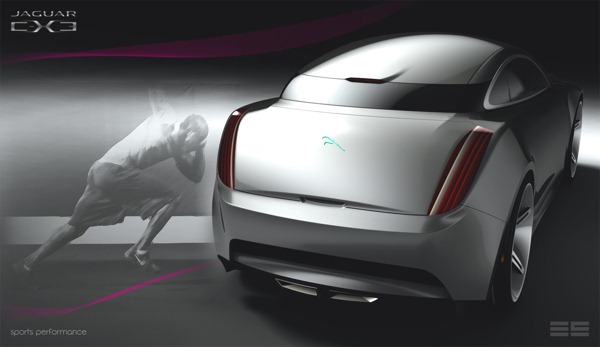
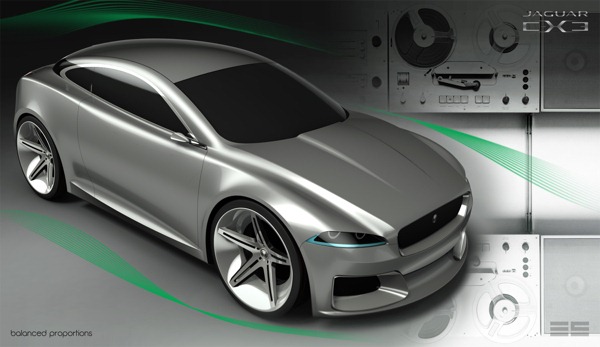
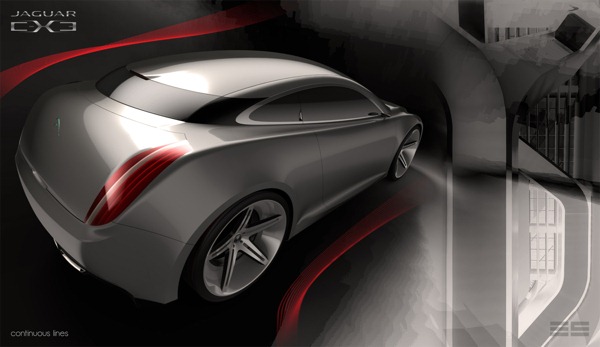
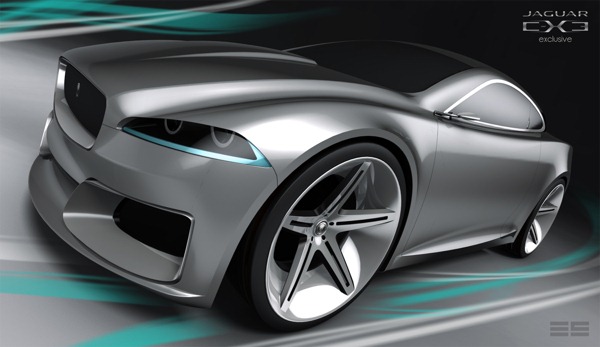

BLADERUNNER
New member
O plano para os próximos anos.
Autohoje -Novo Jaguar X-Type em 2015

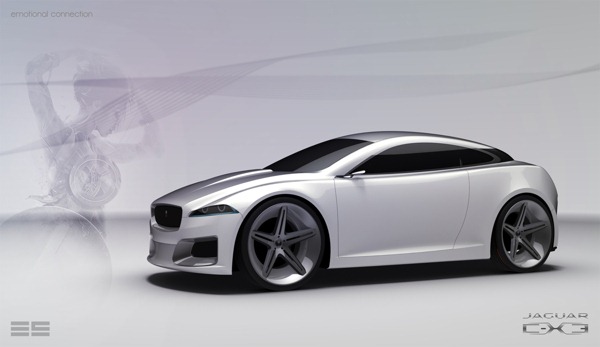
O lançamento do F-Type 2014 é apenas a «ponta do iceberg» dos lançamentos da Jaguar. Segundo a Automobile, os planos para os próximos cinco anos incluem novas versões do XF, XJ e XK. Além disso, estão na calha dois SUV e o sucessor do X-Type (modelo descontinuado em 2009, na imagem principal).
Com o nome de código X760, o potencial sucessor do X-Type pode surgir em 2015. Esta berlina compacta deverá recorrer à plataforma leve para modelospremium PLA e estar disponível com tração traseira e integral. Este regresso poderá trazer associada uma variante SUV em 2016, algo que para já está ainda no campo das hipóteses. A médio prazo espera-se ainda uma versão atualizada do XF, conhecido internamente com o X260. Este deverá surgir no formato berlina, carrinha e SUV. Já a próxima geração da berlina XJ (X360) está prevista para 2017 (na última imagem, o Jaguar XJ Ultimate), que deverá desmultiplicar-se num formato de berlina convencional (que poderá bem ter um aspeto mais «conservador» com a atual), num coupé de quatro portas ao estilo do Mercedes CLS e, finalmente, uma carrinha que pretende ser «ainda maior objeto de desejo que um Bentley Continental Flying Spur, mas a metade do preço».
Entretanto, a curto prazo, o line-up do F-Type deverá crescer para um coupé, uma variante de tração integral e uma versão de alto desempenho RS. A nova geração XK deverá tornar-se upmarket e contar com o contributo de motores mais potentes, num modelo que será maior e que terá por base uma versão atualizada da plataforma atual.


BLADERUNNER
New member
[video=youtube;22NTet2n-Sg]http://www.youtube.com/watch?feature=player_embedded&v=22NTet2n-Sg[/video]
BLADERUNNER
New member
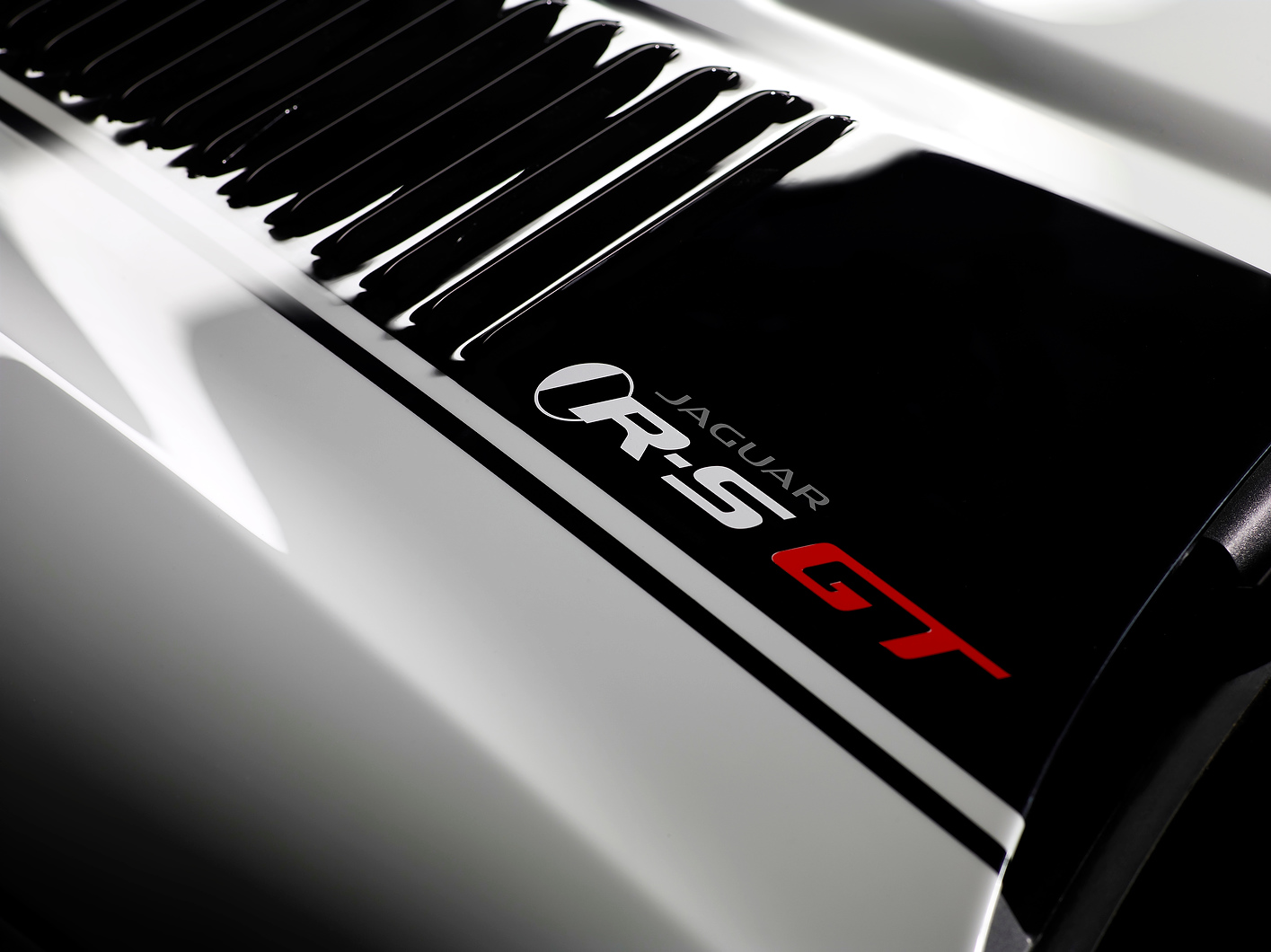
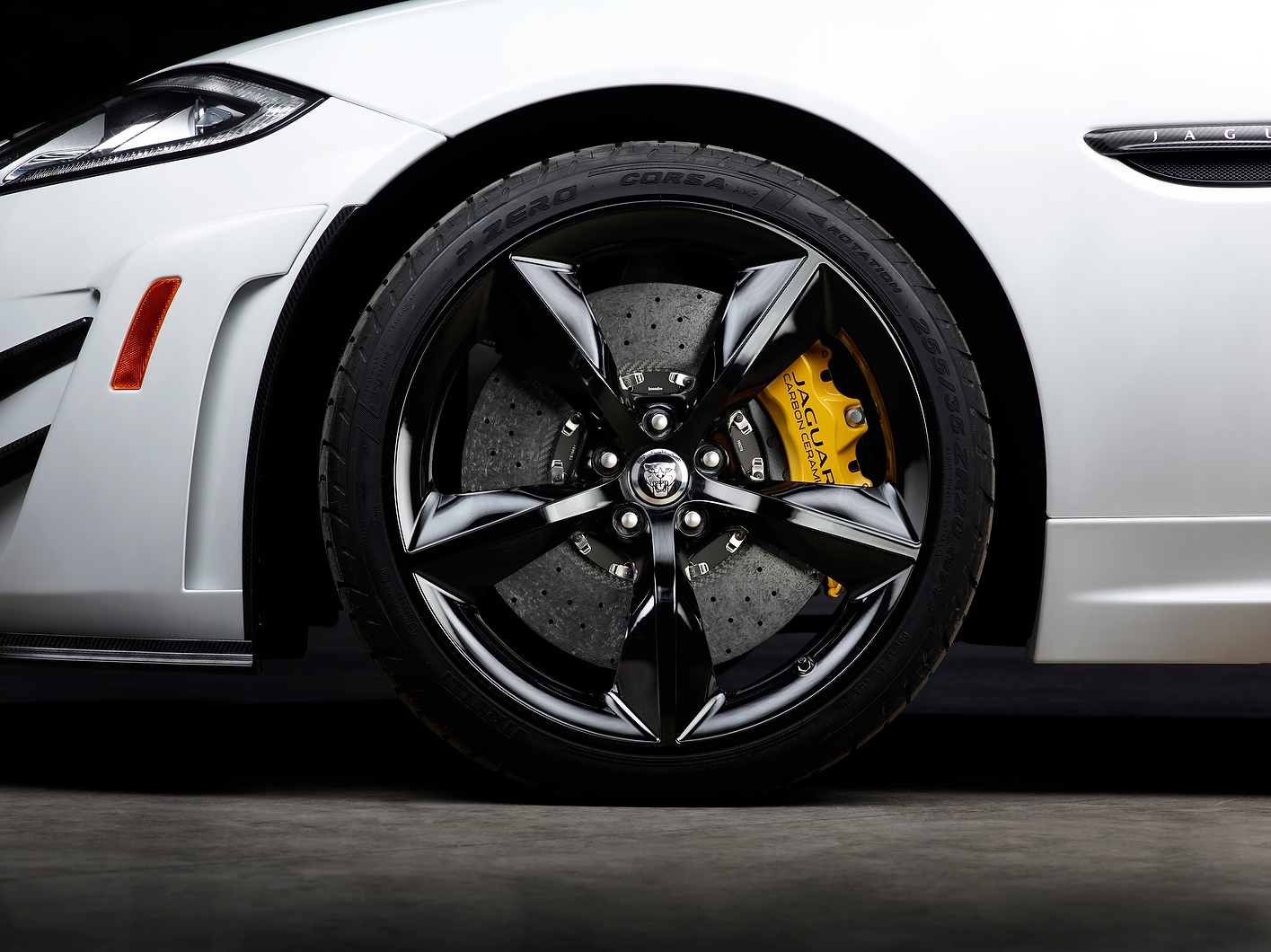
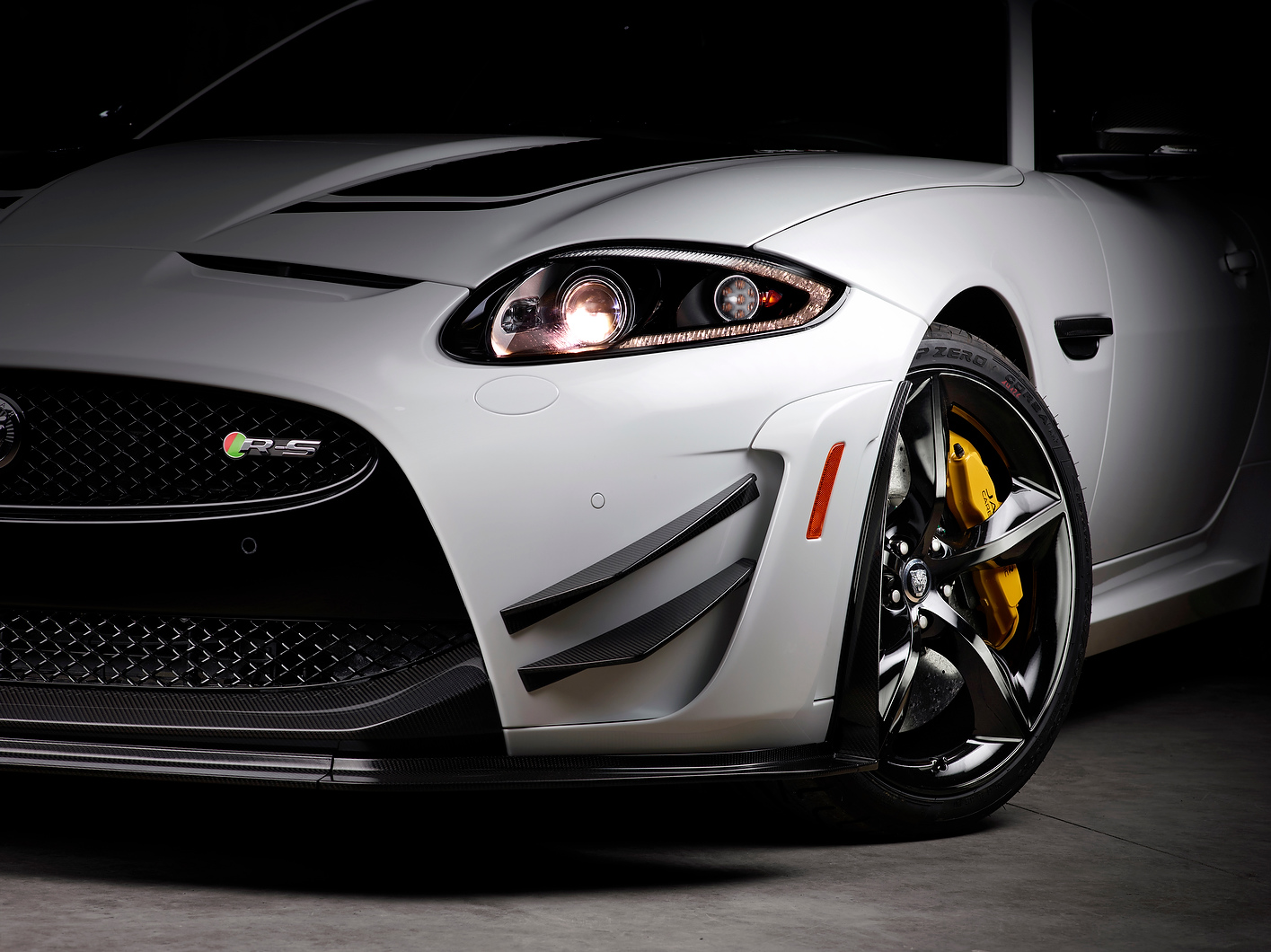
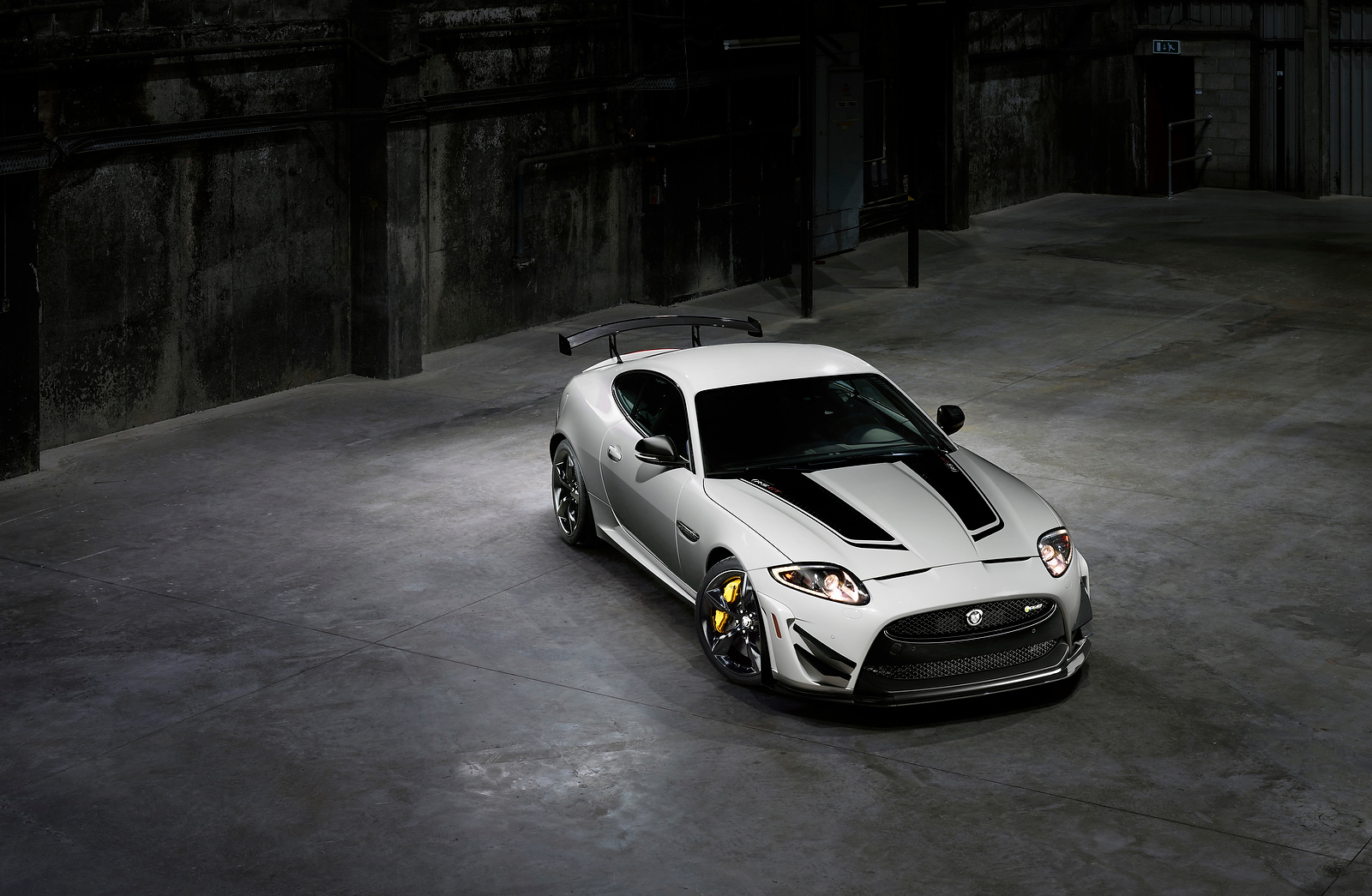
BLADERUNNER
New member

topspeedPT
Well-known member
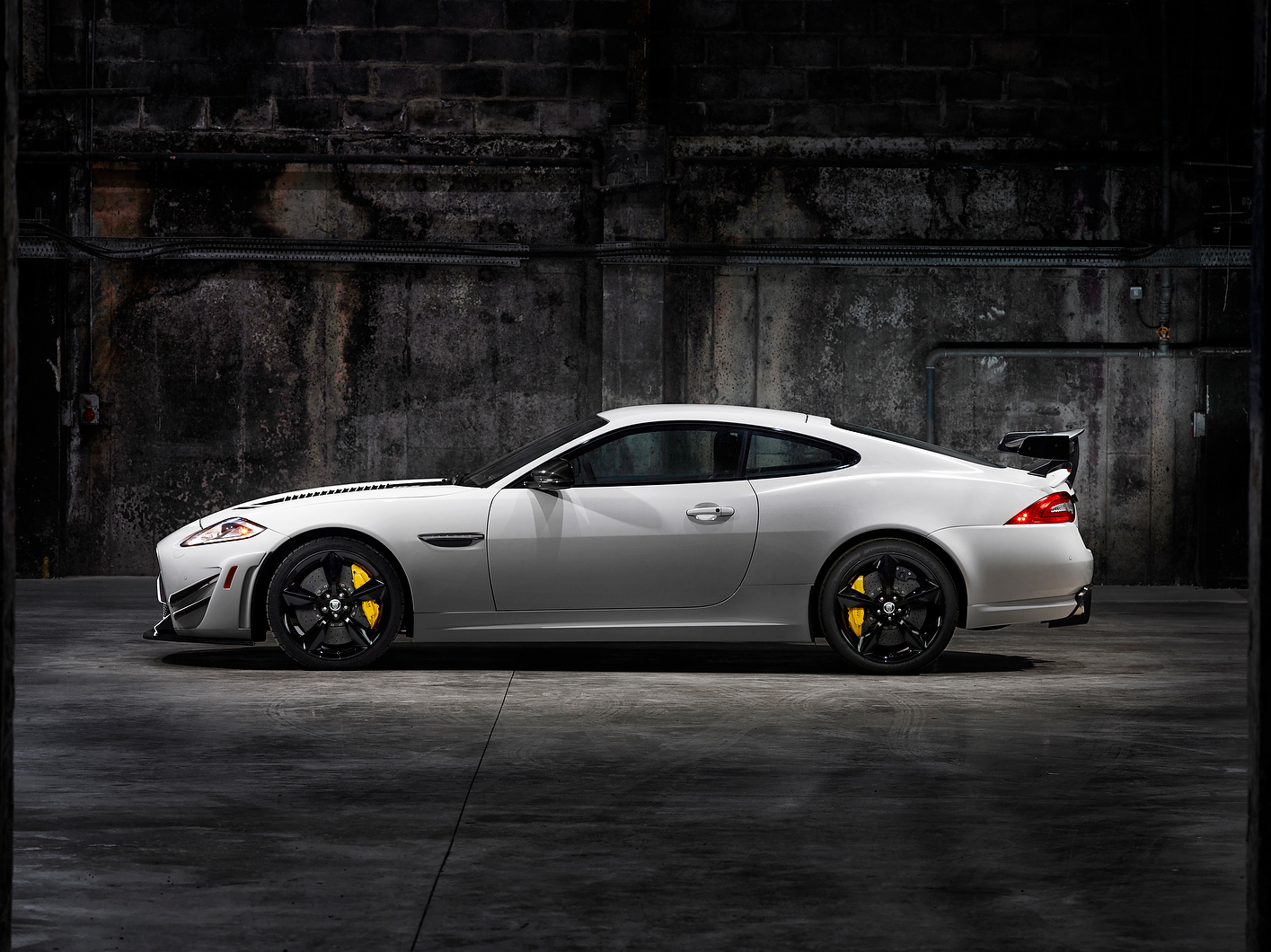
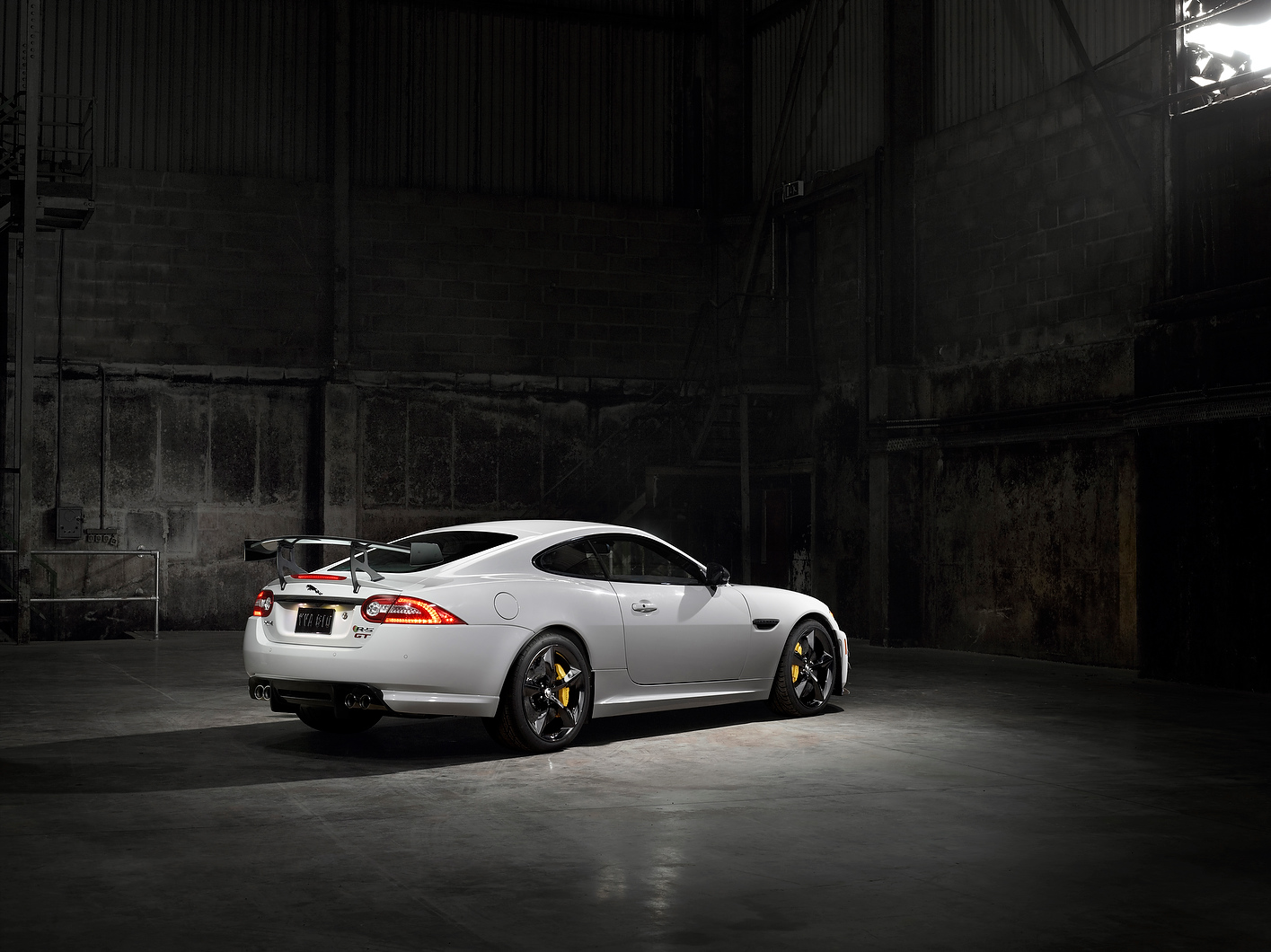
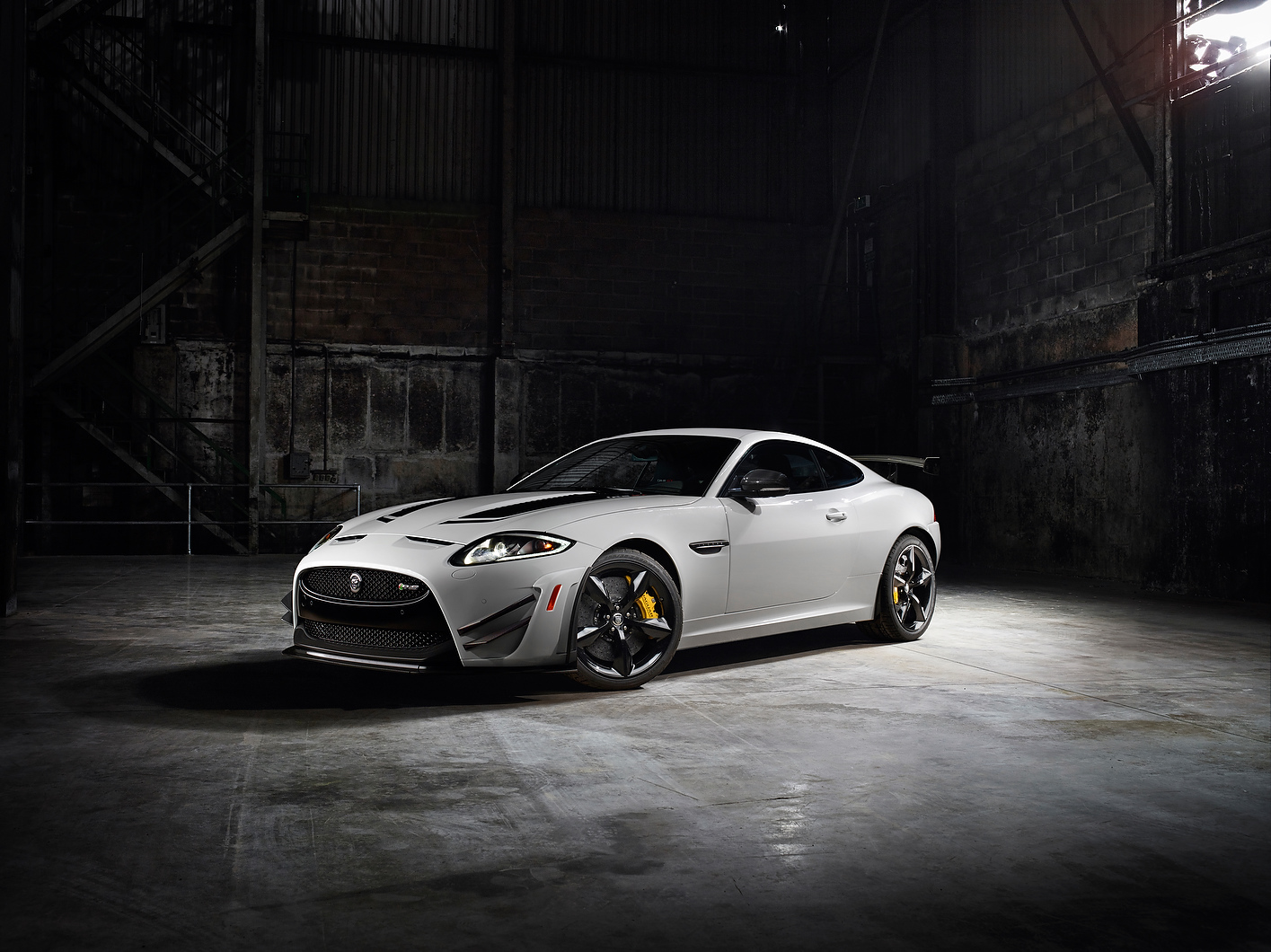
Está bem bacano. Mesmo estilo do C63 AMG Black Series imo.
reckoner00
Well-known member
Estará a Jaguar a planear ressuscitar a Daimler?
The Jaguar XJ has always been an impressive car (well, if you ignore some of the periods of unreliability since it launched in the 1960s) and the last ‘traditional, 3-box XJ was very similar under the skin to the new swoopy coupe version that had transformed the fortunes of the XJ in the luxury car market. It just didn’t sell.
That was changed with the latest XJ which comes with stunning (if, perhaps, slightly divisive styling). but, according to Edmunds, Jaguar are planning to revive a more traditional 3-box version of the XJ when the next generation arrives, not as a replacement for the style of the current XJ but as a companion model. But why would they do that, you may well ask?
It seems that although buyers in the UK, Europe and the US are turned on by the lines of the XJ, the Chinese aren’t. China’s car buyers at this level want to sit in the back and be driven (and the back seat isn’t the best place to be in the XJ with its ‘snug’ feeling) and Jaguar believe they’re missing out on a big opportunity.
So the plan seems to be to build an XJ to tempt China’s luxury car buyers in to an XJ whilst keeping the swoopy coupe style of the next generation intact for Jaguar’s more traditional markets. But won’t that undermine all the good the latest Jaguar’s styling has done for the brand?
It’s hard for Jaguar to ignore the lure of the Chinese market, and it needs to do what it can to be a player there. If that means sticking a box on the back for a proper ‘boot’ and raising the roofline, then that’s probably what they need to do.
But wouldn’t it make sense to differentiate the ‘boxy’ XJ from its slick sibling a little more? Perhaps renaming it the ‘Daimler’ XJ?
Daimler was always Jaguar’s limousine, even when it was just a badge on the back of the old XJ. Wouldn’t a Daimler badge allow Jaguar to produce a more traditional XJ for the Asian markets that demand it, without undermining all the good the new XJ has done for the brand?
BLADERUNNER
New member

Gib
New member
Á pergunta em questão, não, não está.
No entanto vai surgir realmente um upmarket do XJ. Mas isso, já está confirmado desde 2008.

Zedoscavalos
Member
Adoro esta marca. Um dia hei-de ter um a sério  Agora cou ver se consigo um xtype pra começar [
 ]
]
Agora cou ver se consigo um xtype pra começar []reckoner00
Well-known member
Jaguar design boss dismisses rumors of two XJ body styles
Jaguar design director Ian Callum has dismissed rumors that the next-generation XJ will be offered in two body styles.
Speaking on the sidelines of the Shanghai Motor Show, Callum confirmed the company is working on a new XJ but said the current plan is to offer one body style in short and long wheelbases. As he explained to Autocar, "I can't see us doing two body styles. The cost would be enormous and the message inconsistent. You have to believe in what you produce and to do two body styles would undermine that."
The speculation about a second body style started earlier this month when Edmunds reported Jaguar was going to offer a retro-inspired XJ that would be sold alongside the standard model. The model was rumored to be in development to appease Chinese consumers who prefer conservative styling.
reckoner00
Well-known member
Eagle Speedster driven - Autocar
The Jaguar F-type may be the first reinterpretation of the E-type theme to make it into public view, but it is not the first. Somewhere down a long lane deep in the heart of East Sussex, a company called Eagle has created another, somewhat different take on the theme.
The Jaguar F-type may be the first reinterpretation of the E-type theme to make it into public view, but it is not the first. Somewhere down a long lane deep in the heart of East Sussex, a company called Eagle has created another, somewhat different take on the theme.
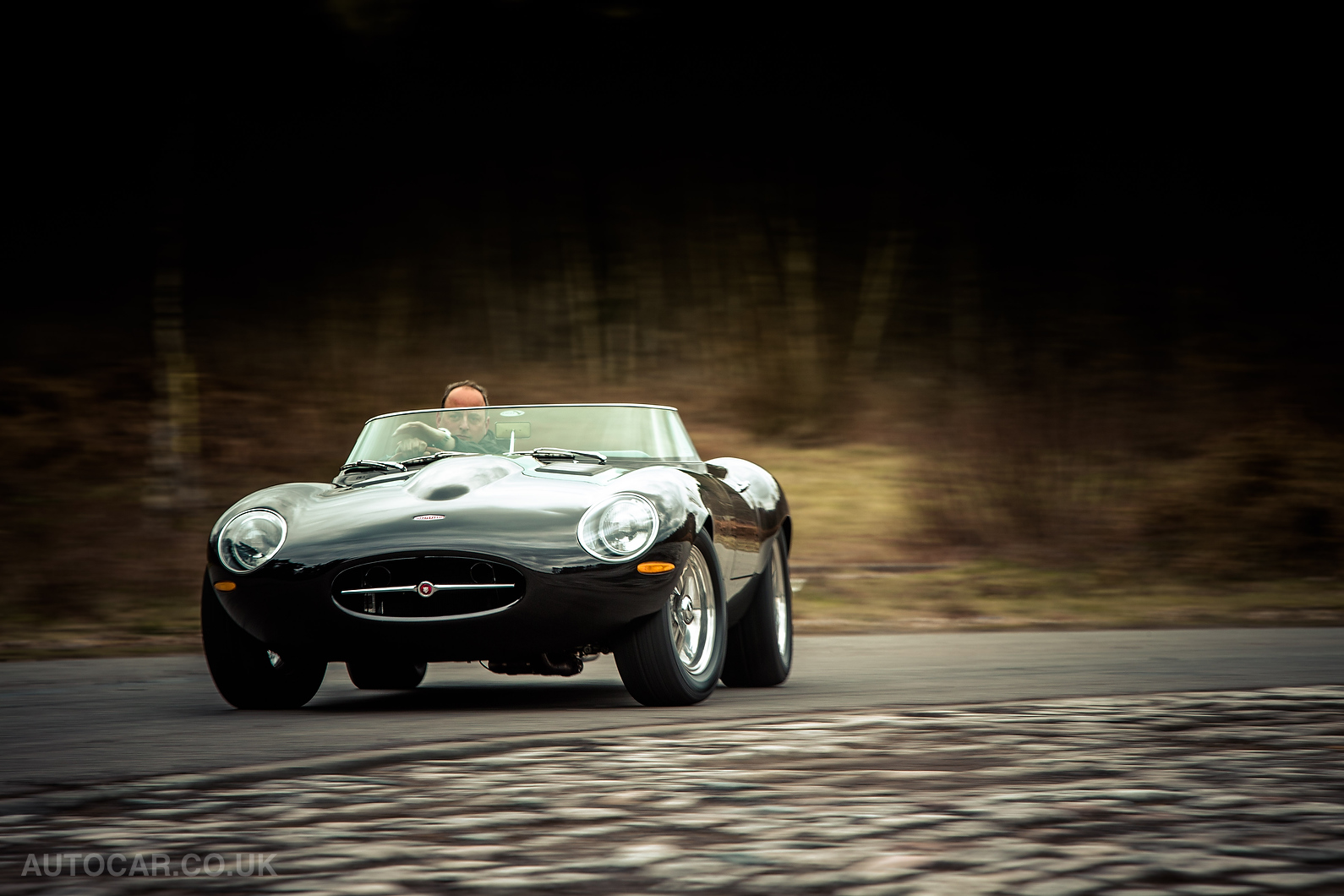
It’s called the Speedster and if you want one, it’ll cost around £600,000, assuming you can persuade Eagle to make you one. The first Speedster is already in America and you’re looking at the second. The third is almost complete and numbers four, five and six are in build. After that, there are no plans to make any more. “Got to keep it exclusive,” grins Paul Brace, Eagle’s general manager and the man who styled and engineered the extraordinary slice of automotive art now quietly warming its engine beside the test track.
You will know Eagle, or at least you should. Led by self-confessed E-type obsessive Henry Pearman, these are the people who for more than 20 years have been taking E-types and restoring them so extensively that quite often ‘as new’ condition is not the objective but the starting point.
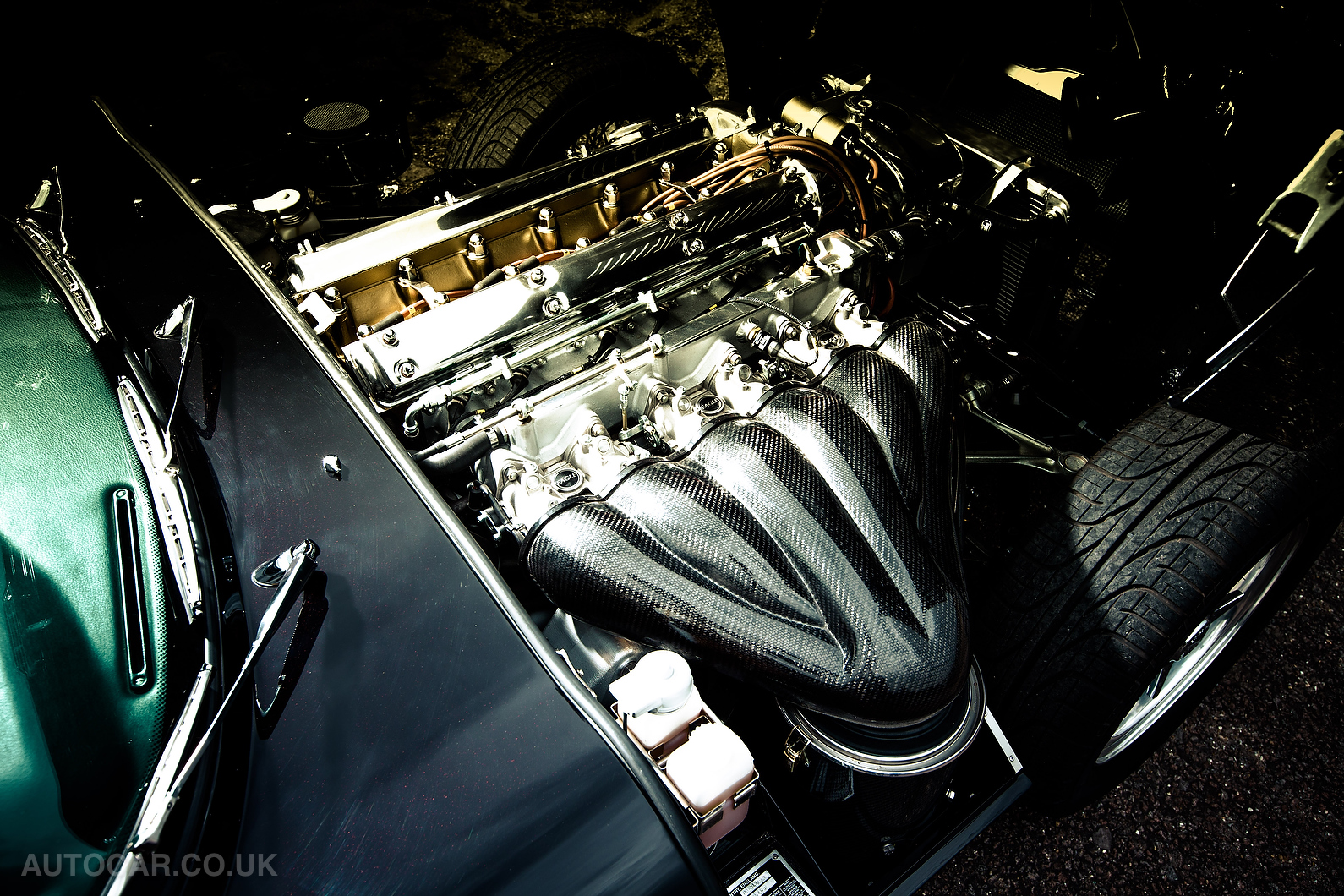
All manner of modifications are available, but if you simply take your old E to them and ask them to slip their injected 4.7-litre engine under its elegant bonnet, or fit their bespoke five-speed gearbox, your business will be ever so politely turned away. “We don’t, or at least won’t do partial restorations,” says Brace. “We’ve seen too many cars that look all right but turn out to have all sorts of issues under the skin. If a car is to call itself an Eagle, we need to have been through it from end to end.”
So it’s all or nothing. It also explains how, if you want to buy an E-type and are brave, you can pay as little as £15,000 for a running car, but if you want a fully prepared Eagle with all of the good bits included, you’ll be looking at a bill for something the far side of £250,000. Even cars that appear perfect are taken back to their bare components before being painstakingly rebuilt.
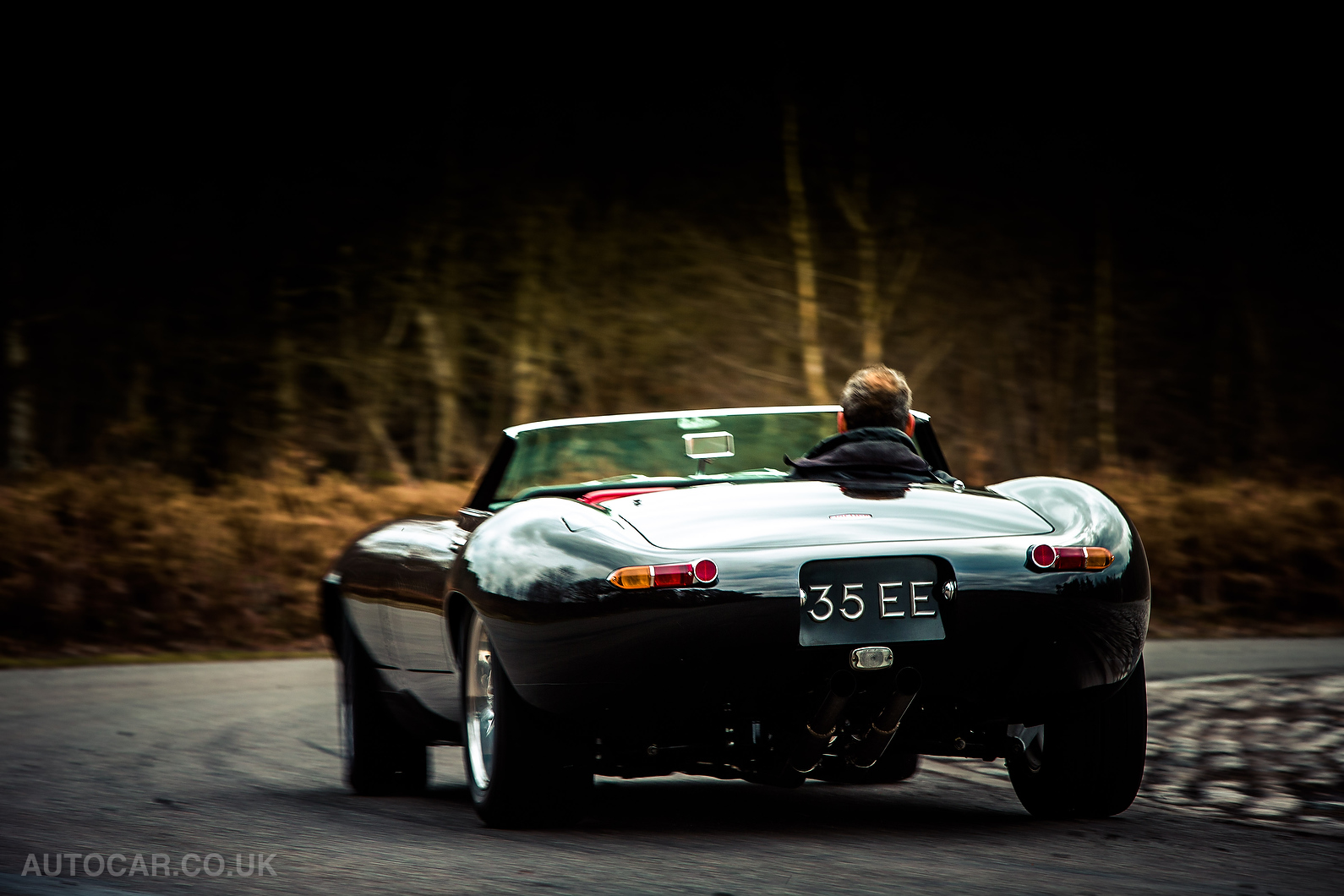
The Speedster, however, is something else again. It is based on an original E-type – a 1965 Series 1 4.2-litre roadster in the case of the car you see here – but where it differs even from other Eagle E-types is in that astonishing body, which is not only completely restyled but also made entirely from aluminium.
The reason is that the Speedster was created as an homage to the original dozen lightweight E-types built by the factory in 1963, any one of which would sell today for money that would make even the Speedster look cheap. Like the Lightweights, and unlike all normal E-types, the Speedster has an aluminium body and engine with fuel injection and a five-speed ’box. This is why the fully trimmed Speedster weighs just 1008kg – less than the lightest Ford Fiesta on sale.
When you look at these pictures, I fear it might be hard to appreciate the impact the car has in the flesh. For a start, it’s tiny. It looks impossibly long, but in fact it is both shorter and narrower by far than a Ford Focus, which just goes to show you how much cars have grown over the years. As for its height, think of the lowest of the low, such as a Lotus Elise, and then think lower still. The Ford GT40 was so astonishingly low that it got its name from its height in inches, but the Speedster is lower even than that, with the top of that swept back, cut-down screen sitting just 1000mm (that’s 39.4 inches) from the ground.

Then there is the finish of the thing. Normally Eagle does all its work in house, but the job of creating the Speedster’s unique body was given to expert ally basher RS Panels in the Midlands, before Eagle applied possibly the best paint finish I’ve seen on a car wearing a number plate. It’s not actually black, but the deepest, darkest red imaginable. When hit by natural sunlight, it looks so rich and exotic that it can make a stone cold concrete test track feel like the Riviera in mid-summer.
The idea of taking the E-type design – only the second in automotive history, after a 1946 Cisitalia, to earn a place on permanent exhibition in the New York Museum of Modern Art – and modernising it would be enough to give most car stylists palpitations, but Eagle’s success can’t be questioned. By lowering the screen and floorpan and adding deeper sills, the car looks instantly more purposeful and masculine, while extending the track so the wheels fill those subtly flared arches removes perhaps the only flaw in the original’s design. I’d not have chosen such shiny wheels with such large spinners, but it’s easy to carp without having a clue as to what to put in their place while staying true to the spirit of the car. And I love that swept-up back with its big haunches and fat central pipes.
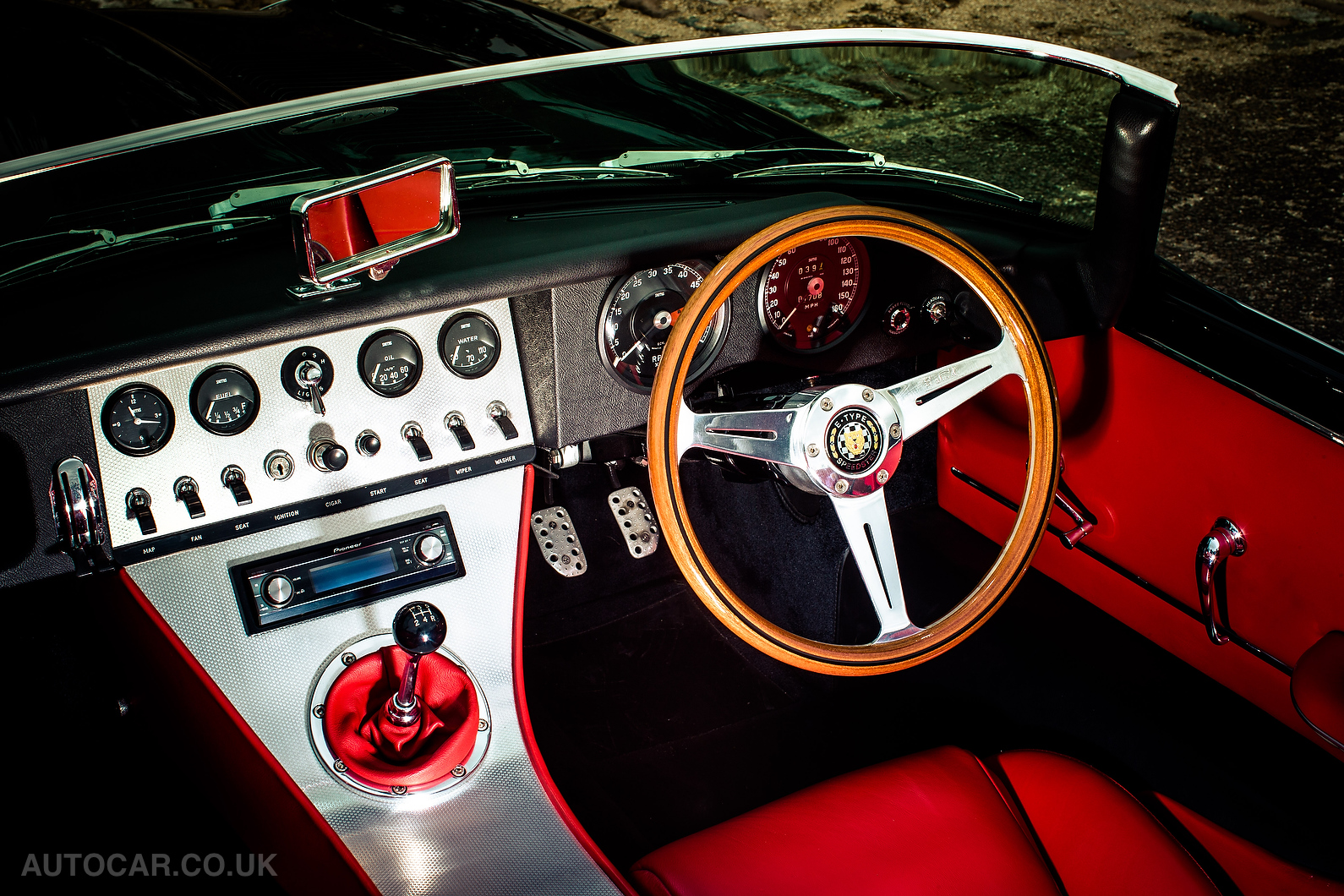
Inside, it’s the E-type you hope Jaguar would have given you had it not needed to design the car down to a price. The architecture is unchanged, with the same simple, elegant yet effective dash and the inimitable central sweep of dials and switches. But the seats are bespoke (and heated) and the upholstery is as good as it has to be in a car costing as much as a mansion in some parts of the land.
The Speedster is warm now. Pearman and Brace are adamant that, despite the age of the underpinnings, all Eagles should run and be able to be treated like modern cars, and are built with this in mind. The engine is bored and stroked out to 4.7 litres but develops just 310bhp on standard cams. Racing E-types now have far more power from just 3.8 litres, and there’s no doubt that if they so wanted, the Speedster could have in excess of 400bhp. But it wouldn’t sit and idle so evenly or provide such a magnificently wide spread of torque, which peaks at a gutsy 340lb ft at 3600rpm.
If you are at all familiar with the E-type breed, you could climb in and know this car blindfolded. This is remarkable because the driving position has dropped, the seat is different and your hands grip a small diameter Nardi steering wheel about which even Brace is having second thoughts. Of course, because it’s an entirely bespoke product, you can have whatever you like. I’d stick with the large original Jaguar item.
As in any E-type, the pedals seem closer than appears right, but the car takes all 6ft 4in of me and my size 11s with ease. In my dreams, and were this car mine, I’d do something about the screen height, because while those who queued up for passenger laps of the track all remarked on the car’s impressive wind management, I recall mainly a super-cooled forehead.
But I remember more just how easy this car is to drive. Again, Eagle could so easily have made a mess of this, modernising the Speedster so much that no element of E-type remained. In fact, it feels like nothing less than the car Jaguar would have provided had it the time, money and technology at its disposal.
The gearbox, designed around a Ford casing to Eagle’s own specification, feels like a later E-type ’box (the Moss ’boxes in the first cars were slow and obstructive) but with one more ratio. As for the ratios themselves, it’s your car and you can have any you choose. The suspension is fundamentally E-type, but with modern dampers and modified geometry featuring increased negative camber to make the car work on modern radial tyres. It also happens to make the car look very cool. Braking is by fat AP Racing ventilated discs, with those at the back retaining their inboard positioning.
The first time you squeeze the throttle, it’s difficult not to laugh. You’re in third gear with only a couple of thousand revs on the clock and you’re not expecting much more than a hardening of the exhaust note and a gentle increase in tempo. Instead, the Speedster sits down at the back, sniffs the air at the front and charges. By modern standards, 310bhp may not sound like much, but what modern car with that power has only a tonne to tow? In terms of power to weight, it’s just a sniff behind a Mercedes-Benz SLS Roadster or new Aston Martin Vanquish.
The noise is pure E-type: deep, melodious, inimitably old English twin-cam straight six, quieter than I’d expected but still loud enough to make you proud to be British. The red line is set at 5000rpm, which I reckon is actually 500rpm short of what an old E-type will safely pull, but as peak power comes at just 4700rpm in this long-stroke motor, there’s never any sense of your enjoyment being spoiled. Just flick the lever into another gear and let the fun commence again. The speed at which 120mph appears on the dial makes Eagle’s top speed estimate of over 160mph seem modest in the extreme.
But its even bigger charm lies in the way it handles. Eagle will, of course, set up a Speedster any way a customer chooses, but this one is surprisingly and pleasingly soft. There’s not much weight to transfer and with the E’s standard Power Lock limited-slip differential, traction is outstanding.
So despite its fat modern tyres and modified suspension, it still feels like an E when you angle it into a corner. It doesn’t flick on to your new line like a modern sports car; instead, it rolls gently, information flooding through that wood-rimmed wheel. You think it wants to understeer, because that’s what it does on a balanced throttle, but that’s not how you drive cars like this. Instead, what it likes is a little lift just to get the weight on its nose, then not the aggressive boot of power you need to unstick a modern, but a steady stream of torque to the rear wheels to start them gently slipping. And then it will drift and drift until you’ve convinced yourself you really are Roy Salvadori in an original Lightweight once more.
Whether you or I think the Speedster is worth £600,000 really is an irrelevance when the total production run of six is already spoken for. Those who matter clearly think it is. The thought that lingers longer in my mind is how brave it was to think the E could be modernised without being turned into some ghastly pastiche, that one of fewer than 10 cars ever built to deserve truly the description of ‘icon’ could be so altered while leaving its essential character intact.
And another thing: during our day at the track, the Speedster did lap after lap on or over the limit, then slid back and forth through the same corner a dozen times or more to create appropriate imagery for the camera. And not once did it get hot, fail to start, creak, groan, whine or complain at the treatment. In this regard, it behaved precisely as you’d hope and expect a brand new Jaguar to behave. In short, it provided all the pleasure, far more raw ability and none of the pain of owning one of the world’s greatest sporting cars. The only pity is I can’t afford one.
BLADERUNNER
New member
Jaguar registra los nombres "Q-Type" y "XQ" y nos hace imaginar

¿Qué sabemos de los futuros planes de producto de Jaguar? Pues que están desarrollando una nueva familia de productos para el segmento D, donde lanzarán una berlina de tracción trasera con la que competir con los Serie 3 y Audi A4.
La firma británica confirmó además que iban a tratar de articular un nuevo sistema de denominaciones para facilitar el entendimiento de su gama de productos, al tiempo que confirmaban la intención de que la nueva gama de productos del segmento D tuviera todas las variantes posibles de carrocería.
Y en esas estamos cuando nos hemos enterado de la aplicación en la oficina de registro de nombres y marcas de que Jaguar se ha hecho con los derechos de los nombres "Q-Type" y "XQ".
Sabemos que Jaguar tendrá en cuestión de año y algo una nueva familia para el segmento D
Aplicando razonamiento y lógica básicas, parece que la idea de Jaguar sería hacer del nuevo modelo de segmento D el "Q-Type". La variante XQ podría ser el derivado crossover del mismo, o no... El problema con Jaguar es que los modelos superiores de gama usan la equis como identificativo: XF, XJ y XK.
Así que el nombre elegido para el sedán podría ser XQ, y el nombre del cupé derivado podría ser Q-Type, como equivalente del Serie2 de BMW.
Pero, ¿quién sabe? Es complicado aclararse. Sabemos que el plan de producto inminente es el sedán, y un posible SUV, muy orientado hacia el asfalto (para cosas más camperas tienen a Land Rover) debería tener un formato de denominación suficientemente comprensible. Y es que claro, X es SUV para BMW, Q es SUV para Audi, y si mezclamos los dos... En fin, una locura.
¿Qué sabemos de los futuros planes de producto de Jaguar? Pues que están desarrollando una nueva familia de productos para el segmento D, donde lanzarán una berlina de tracción trasera con la que competir con los Serie 3 y Audi A4.
La firma británica confirmó además que iban a tratar de articular un nuevo sistema de denominaciones para facilitar el entendimiento de su gama de productos, al tiempo que confirmaban la intención de que la nueva gama de productos del segmento D tuviera todas las variantes posibles de carrocería.
Y en esas estamos cuando nos hemos enterado de la aplicación en la oficina de registro de nombres y marcas de que Jaguar se ha hecho con los derechos de los nombres "Q-Type" y "XQ".
Sabemos que Jaguar tendrá en cuestión de año y algo una nueva familia para el segmento D
Aplicando razonamiento y lógica básicas, parece que la idea de Jaguar sería hacer del nuevo modelo de segmento D el "Q-Type". La variante XQ podría ser el derivado crossover del mismo, o no... El problema con Jaguar es que los modelos superiores de gama usan la equis como identificativo: XF, XJ y XK.
Así que el nombre elegido para el sedán podría ser XQ, y el nombre del cupé derivado podría ser Q-Type, como equivalente del Serie2 de BMW.
Pero, ¿quién sabe? Es complicado aclararse. Sabemos que el plan de producto inminente es el sedán, y un posible SUV, muy orientado hacia el asfalto (para cosas más camperas tienen a Land Rover) debería tener un formato de denominación suficientemente comprensible. Y es que claro, X es SUV para BMW, Q es SUV para Audi, y si mezclamos los dos... En fin, una locura.
reckoner00
Well-known member
Jaguar Land Rover record sales 2012/13
Jaguar Land Rover has reported record sales, revenues and profits for 2012/2013 with revenue of £15.8 billion, profit of £1.675 billion and sales of 374,636.
Jaguar Land Rover has reported record sales, revenues and profits for 2012/2013 with revenue of £15.8 billion, profit of £1.675 billion and sales of 374,636.
Tata must be thanking their lucky stars they took a punt on Jaguar Land Rover 5 years ago when the rest of the car world thought they were a bit of a lost dog, because it’s now JLR that are the shining star in the Tata group, with Tata motor sales languishing in troubled waters.JLR has reported record figures for the 2012/2013 year, with vehicle sales hitting 374,636 (up 22 per cent), revenue up at £15.8 billion (up 17 per cent) and pre-tax profits at £1.675 billion (up 11 per cent) on the back of continuing success for all models – and especially the Evoque – and the launch of more new models to offer great promise for even better figures in 2013/2014.
This models have included the new Range Rover, the Jaguar XF Sportbrake, new 4WD versions of the XJ and XF (although not for the UK) and new engine options too.Those figures don’t include any sales of the new 2014 Range Rover or the new Jaguar F-Type – although 2013/2014 will – so, with the new Freelander and Discovery on the horizon (and, we hope, new derivatives for Jaguar like and XF Coupe and XJ Coupe) next year promises to be even better for JLR.JLR boss, Ralph Speth, commented: "The positive result for the financial year demonstrates that we have strong demand for our great, solid product portfolio all around the world.
During this period Jaguar Land Rover unveiled major new products, the all-new all aluminium Range Rover and the Jaguar Sportbrake, the AWD XF and AWD XJ and the stunning F-TYPE.Jaguar Land Rover invested significantly in the product creation process, in our advanced manufacturing sites and created more than 3,000 jobs. This commitment is set to continue with a sustained programme of investment which will see us spend in the region of £2.75bn on new product, people and infrastructure in the year to March 2014."The growth for JLR in 2012/13 wasn’t confined to just one market place either, with strong sales across all markets – particularly China, which saw an increase of 48 per cent – and even Europe grew by 18 per cent.
Jaguar Land Rover Sales 2012-2013:- Europe 80,994 up 18%- China 77,075 up 48%- UK 72,270 up 20%- North America 62,959 up 9%- Asia Pacific 17,849 up 27%- Overseas 63,489 up 19%
Última edição:

MisterPolo
New member
Debuts at the Goodwood Festival of Speed
Debuts at the Goodwood Festival of Speed
Jaguar has officially unveiled their Project 7 concept.
Set to debut at the Goodwood Festival of Speed, the Project 7 is an aluminum-bodied roadster that celebrates Jaguar's seven victories at Le Mans between 1951 and 1990.
Created in just four months, the car is based on the F-Type and features a D-type inspired rear fairing with an integrated rollover hoop. The model has also been equipped with a new front bumper, an enlarged grille and a variety of carbon fiber components. There's also a rear wing and 20-inch alloy wheels with Pirelli P Zero tires.
The cabin is elegantly appointed with diamond-quilted leather upholstery, carbon fiber trim and a composite racing seat that has a four-point harness. The passenger seat has also been replaced by a bespoke helmet holder that secures a matching Project 7 helmet.
Motivation is provided by a supercharged 5.0-liter V8 engine that produces 550 HP (405 kW) and 680 Nm (502 lb-ft) of torque. It is connected to an eight-speed Quickshift transmission which enables the model to accelerate from 0-100 km/h in 4.2 seconds and hit an electronically-limited top speed of 300 km/h (186 mph).
The Project 7 also has a sports-tuned suspension, an electronic rear differential and a free-flowing exhaust that sounds downright menacing.
According to Global Brand Director Adrian Hallmark, "Jaguar's sporting bloodline and innovative ambition are perfectly embodied by Project 7, both through its sensual design, and its shattering performance. Project 7's Goodwood debut will provide a great stage to showcase the creativity of our design and engineering teams."
Source: Jaguar
Debuts at the Goodwood Festival of Speed
Jaguar has officially unveiled their Project 7 concept.
Set to debut at the Goodwood Festival of Speed, the Project 7 is an aluminum-bodied roadster that celebrates Jaguar's seven victories at Le Mans between 1951 and 1990.
Created in just four months, the car is based on the F-Type and features a D-type inspired rear fairing with an integrated rollover hoop. The model has also been equipped with a new front bumper, an enlarged grille and a variety of carbon fiber components. There's also a rear wing and 20-inch alloy wheels with Pirelli P Zero tires.
The cabin is elegantly appointed with diamond-quilted leather upholstery, carbon fiber trim and a composite racing seat that has a four-point harness. The passenger seat has also been replaced by a bespoke helmet holder that secures a matching Project 7 helmet.
Motivation is provided by a supercharged 5.0-liter V8 engine that produces 550 HP (405 kW) and 680 Nm (502 lb-ft) of torque. It is connected to an eight-speed Quickshift transmission which enables the model to accelerate from 0-100 km/h in 4.2 seconds and hit an electronically-limited top speed of 300 km/h (186 mph).
The Project 7 also has a sports-tuned suspension, an electronic rear differential and a free-flowing exhaust that sounds downright menacing.
According to Global Brand Director Adrian Hallmark, "Jaguar's sporting bloodline and innovative ambition are perfectly embodied by Project 7, both through its sensual design, and its shattering performance. Project 7's Goodwood debut will provide a great stage to showcase the creativity of our design and engineering teams."
Source: Jaguar